





Newly Added Products

Toys: Consumer tips
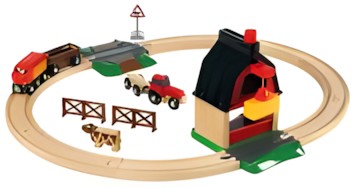
Toys for babies and toddlers
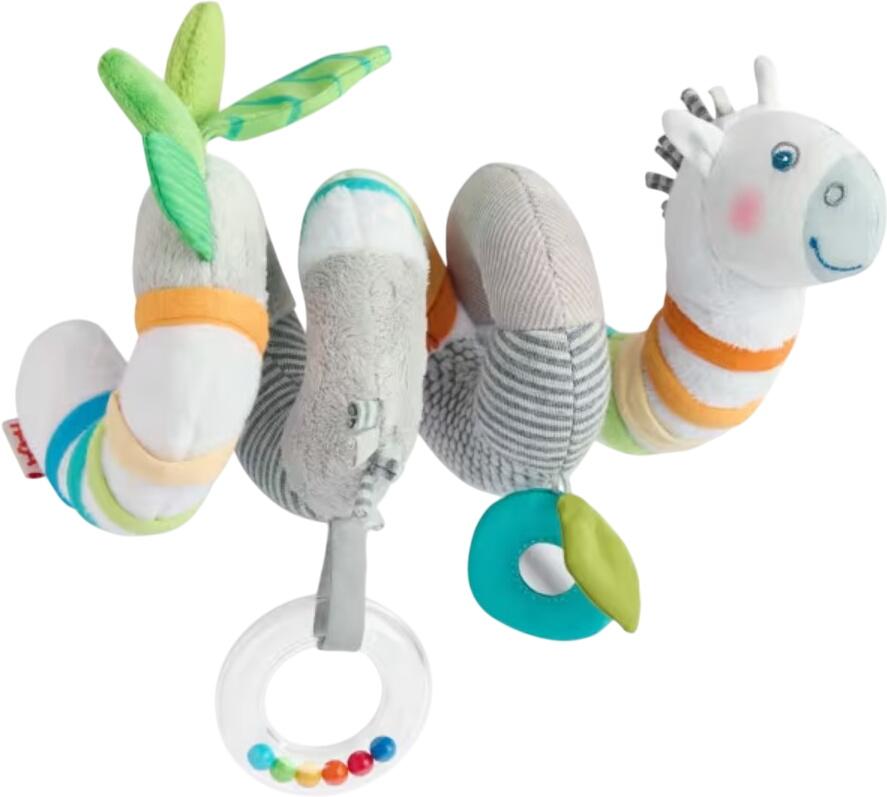
Babies and toddlers learn through touch, sound, movement and repetition. At this stage, toys should be simple, sturdy and easy for small hands to hold. Soft toys, rattles, sensory balls, stacking cups, shape sorters and activity centres can all support early play without overwhelming the child.
When choosing toys for younger children, safety should always come first. Avoid products with loose small parts where there is a choking risk, and always follow the manufacturer’s age guidance and warning labels. Toys sold for the Great Britain market may carry UKCA or CE marking, but parents should also check the toy’s condition, instructions and suitability for the individual child.
Useful toy types for babies and toddlers include:
- Soft toys and comforters
- Rattles and sensory toys
- Stacking and nesting toys
- Shape sorters
- Push-along and pull-along toys
- Simple building blocks
- Bath toys designed for easy cleaning
Educational toys that make learning enjoyable
Educational play should still feel like play. The most useful learning toys encourage children to experiment, solve problems, use their imagination and practise everyday skills. For toddlers and preschool-aged children, this can mean puzzles, building blocks, matching games, magnetic tiles, simple musical toys or role-play sets.
As children move through nursery and primary school, toys can support interests in science, technology, creativity and reading without turning playtime into extra homework. Modern educational toys often include coding games, beginner electronics kits, craft boxes, science activities and interactive audio or screen-light learning tools.
Good educational toy choices include:
- Puzzles and memory games
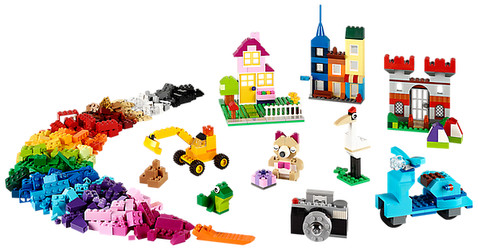
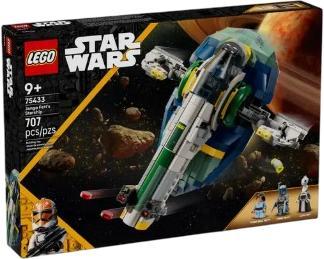
- Construction sets
- Creative craft kits
- Role-play toys
- STEM and science sets
- Age-appropriate coding and logic games
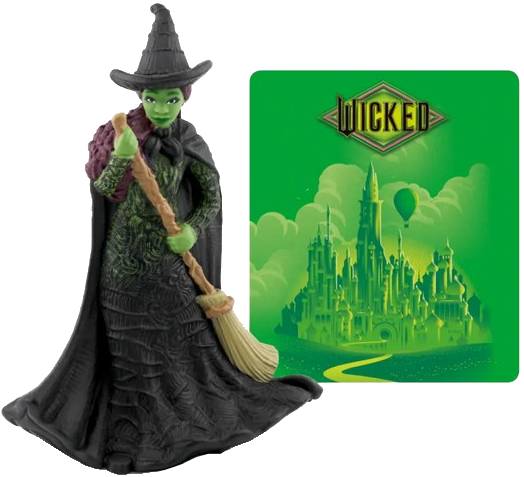
- Books, audio players and storytelling toys
The right difficulty level matters. A toy should offer enough challenge to stay interesting, but not be so difficult that it causes frustration.
Outdoor toys for active play
Outdoor toys are a great way to encourage movement, confidence and social play. Whether children are using a garden, local park, driveway or shared outdoor space, active toys can support balance, coordination and general enjoyment of being outside.
Popular options include:
- Scooters
- Balance bikes and pedal bikes
- Tricycles
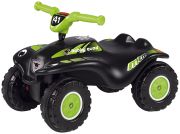
- Ride-on toys
- Football and garden games
- Skipping ropes
- Bubble toys
- Sand and water play sets
- Outdoor activity and adventure kits
For wheeled toys, look for a stable design, suitable size and reliable brakes where applicable. Helmets and other protective equipment should be chosen to fit correctly and used where appropriate.
Creative, construction and role-play toys
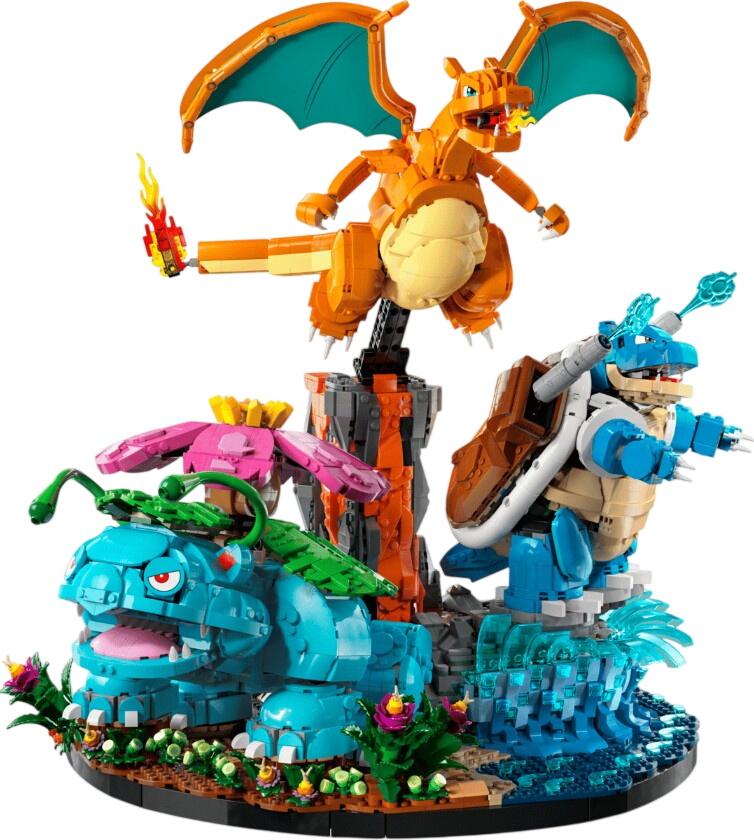
Creative toys give children the chance to make their own stories and ideas. Dolls, figures, play kitchens, toy vehicles, building sets, train sets and imaginative play accessories can all be enjoyed by children of any gender. Rather than choosing by traditional labels, it is usually better to start with the child’s interests.
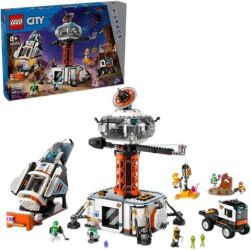
Construction toys can be especially good value because they can be rebuilt in different ways. Role-play toys can also support communication and imagination, whether children are playing shops, cafés, doctors, explorers, engineers or superheroes.
What should you consider when buying toys?
The best toy is not necessarily the most expensive or the one with the most features. It should be safe, age-appropriate and likely to be used regularly. It is also worth considering storage space, durability and whether the child already owns similar toys.
Before buying, check:
- Age recommendation and safety warnings
- Small parts and choking risks
- Build quality and durable materials
- Whether batteries are required
- Ease of cleaning
- Storage needs
- The child’s interests and abilities
- Whether the toy encourages repeat play
For gifts, toys with a broad age range or open-ended play value are often a safer choice than highly specific products that may only hold interest briefly.
Choosing toys that last
A well-chosen toy can provide years of play, especially if it can be adapted as a child grows. Building sets, dolls, figures, vehicles, board games, craft supplies and outdoor equipment are often good long-term choices because they can be used in different ways and shared with siblings or friends.
The most important thing is to choose toys that invite children to play, move, create and imagine. A varied toy collection does not need to be enormous; a few safe, engaging and well-suited toys can offer far more value than a room full of products that are quickly forgotten.