








Buy coffee pots & teapots: Consumer tips

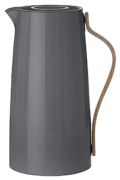
In the filter, the water begins to cool down, which is why coffee pots should conduct heat less than teapots, otherwise the coffee can cool down too much.
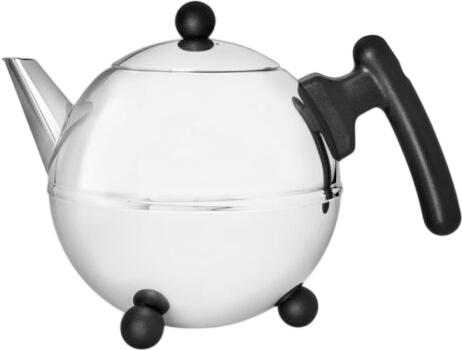
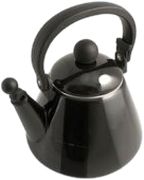
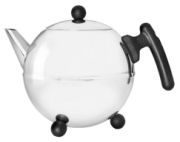
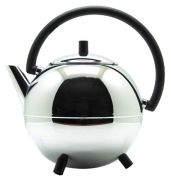
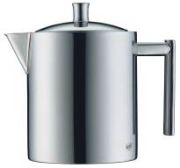
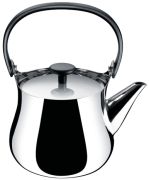
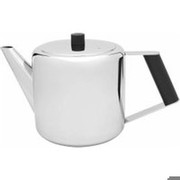
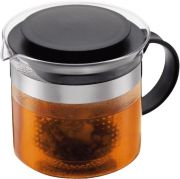
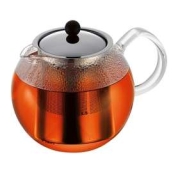
Furthermore, teapots are about as wide as they are tall or even wider than tall, so that the colourings and aromas that escape from the brewed tea leaves and tend to stay at the bottom can distribute more evenly throughout the water than in a slender pot. The spout of the teapot is also much deeper, often attached right at the bottom of the pot body, to pour the concentrated colourings and aromas from the lower part of the pot into the drinking vessel first, while in the coffee pot, the spout is positioned at the top to prevent any coffee grounds from getting into the cup.
What are the differences between insulated pots?
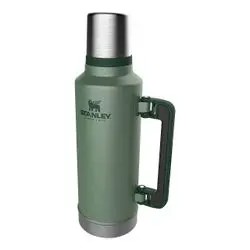
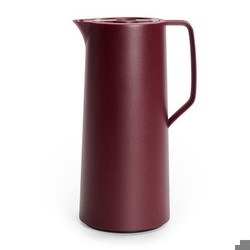
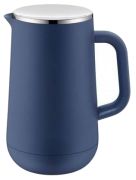
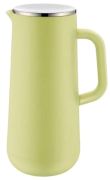
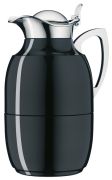
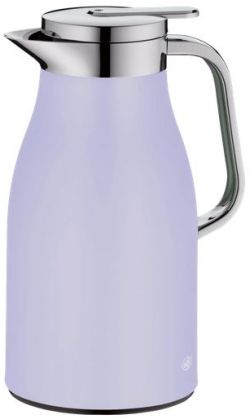
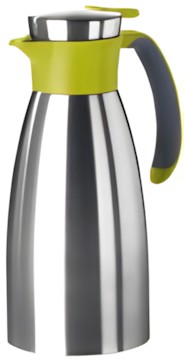
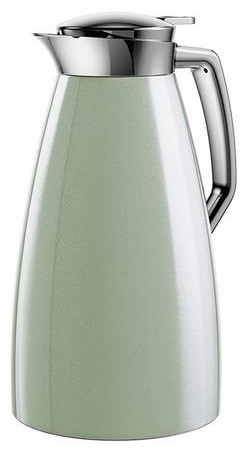
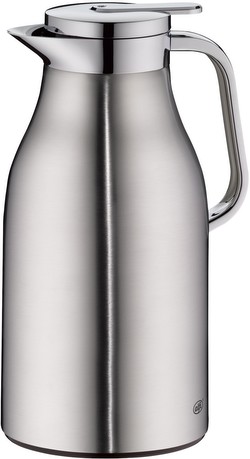
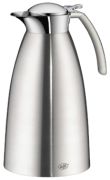
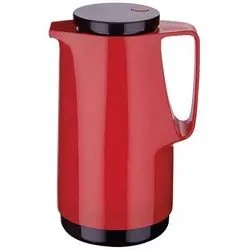
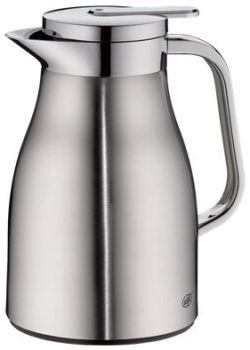
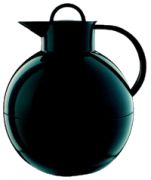
Insulated pots delay the temperature equalisation of the stored liquid with the ambient temperature. This means that the liquid can be either hot or cold compared to the surroundings. They are therefore particularly suitable for an outing or a longer coffee gathering. In the classic design of insulated pots, there is a glass vessel with a double wall inside the visible plastic or stainless steel casing, which is coated with a heat-reflective material and contains a vacuum. This construction reduces the heat exchange between the inside and outside. Nowadays, a double-walled stainless steel vessel is often used. The structure is the same, but this principle has slightly poorer thermal insulation properties. However, it is much more resistant to shocks and sharp objects in everyday life. Regardless of whether it is a double-walled stainless steel or glass vessel inside - a plastic lid is usually used for sealing at the top nowadays.
What should you pay attention to when buying?
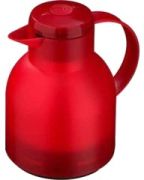
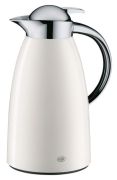
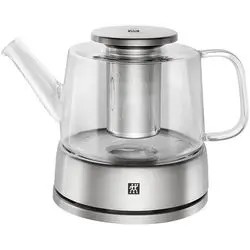
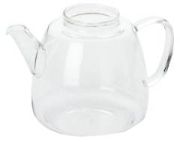
The teapot should be bulbous or cylindrical. Materials can include silver, brass, iron, stoneware, porcelain, or glass. In them, tea can be prepared, kept warm, transported, and served. Glass and stainless steel are flavour-neutral and do not absorb foreign aromas and smells. Generally, a device should be built in that retains the brewed tea leaves when pouring. This can be a perforated closure at the transition from the pot body to the spout or a conical filter insert that is hung from the top into the pot and reaches down to the bottom of the pot. There are also models of insulated pots that have a built-in tea strainer. This allows the tea to steep in the closed insulated pot and be removed separately after steeping. When it comes to capacity, you can estimate that one litre corresponds to about eight small or, depending on size, four to five large coffee cups. There are generally three types of closures for insulated pots. The most common is the simple screw cap, which, however, allows a lot of heat to escape through the large opening when the pot is opened. Often, the screw cap also gets stuck unnoticed, so that the pot seems to be closed, but liquid can still escape unnoticed. With closures that have a pouring lid, a small spout can be opened and closed with the press of a button, which reduces heat loss when pouring. With the closure that has a pump mechanism for large insulated pots, hardly any heat is lost, and the pot can remain in place. Here, the spout should extend far enough forward so that coffee cups still on the saucer can be filled. The pump mechanism should be lockable to prevent accidental activation during transport. Cleaning the hoses of a pump system is relatively time-consuming.