











Pots: Consumer tips

Which pot material should you choose?
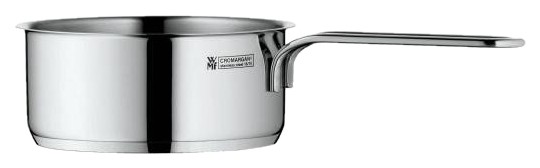
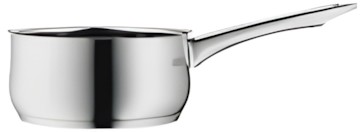
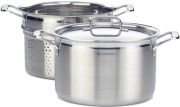
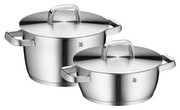
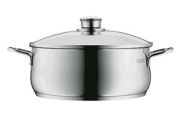
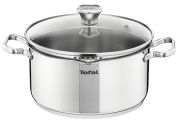
Stainless steel remains the go-to choice for most households because it is hard-wearing, rust-resistant, easy to maintain and suitable for everyday cooking. Good stainless steel pans are often built with an aluminium or copper core or base to improve heat distribution, as stainless steel on its own is not the best heat conductor. They are a strong all-round option for boiling, simmering, steaming, soups, sauces and batch cooking. If you want one material that can cover most jobs, stainless steel is usually the safest buy.
Aluminium heats up quickly and keeps overall pan weight down, which makes it especially practical for larger stockpots and casserole-style pots. Because bare aluminium can react with acidic foods, most modern aluminium pots are either anodised or lined with a non-stick or stainless steel interior. If you want fast heat-up times and easier handling, aluminium can be a very good choice, especially on busy weeknights.
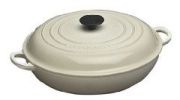
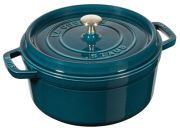
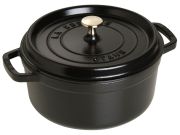
Cast iron is ideal when heat retention matters more than speed. It is slower to warm up, but once hot it holds temperature exceptionally well. That makes it well suited to slow cooking, stews, braising and oven-to-table dishes. Traditional bare cast iron needs regular drying and seasoning to prevent rust, while enamelled cast iron gives a similar heavy, steady performance with easier care. For most shoppers, enamelled cast iron is the more practical option.
Copper offers excellent responsiveness, so temperature changes happen quickly and precisely. That is useful for delicate sauces, sugar work and more exact cooking. The downside is price, upkeep and, in many cases, lower day-to-day practicality. Copper pots are often lined with stainless steel for durability and easier maintenance. They are best treated as a specialist purchase rather than an essential for most kitchens.
You may also come across ceramic-coated, hard-anodised or other specialist cookware ranges. Older terms such as Silargan are not general material categories but branded surface technologies, so they are only worth comparing if you are considering a specific product range. Unless you have a particular sensitivity or brand preference, it is usually more useful to compare build quality, hob compatibility, weight and warranty rather than focus on niche material names alone.
What matters most when buying a pot?
The base of the pot should sit flat on the hob so heat transfers efficiently. A warped base can lead to uneven cooking, wasted energy and poor contact, especially on ceramic and induction hobs. If you have an induction hob, check that the pot is clearly marked as induction compatible. Not every aluminium or copper pot will work unless it has a magnetic base.
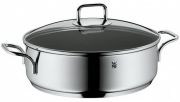
Non-stick interiors are still popular, particularly on aluminium cookware, because they make cooking and washing up easier. However, shoppers in 2026 are more likely to compare not just “non-stick” as a broad idea, but the specific coating type, scratch resistance and care requirements. It is also worth noting that a pan advertised as PFOA-free may still use other chemicals from the wider PFAS family, so if that matters to you, read the product details carefully rather than relying on one headline claim.
Handles should feel secure and properly fixed, with enough room for a safe grip when the pot is full. Riveted or well-engineered welded handles are generally preferable to flimsy fittings. If you want to move the pot from hob to oven, check the maximum oven-safe temperature for both the body and the lid. Care guides from major cookware brands also stress keeping the hob and the pan base clean before use and making sure flames do not extend up the sides on gas hobs.
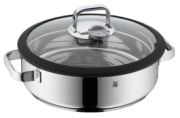
A well-fitting lid helps retain moisture and heat, which is useful for simmering, steaming and reducing energy use. Glass lids let you monitor food without lifting the lid, although stainless steel lids are often more durable. Some pots now include practical features such as internal measuring marks, straining lids, helper handles and stackable designs for easier storage.
Pressure cookers and other useful features
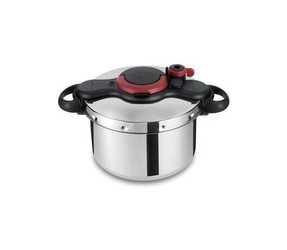
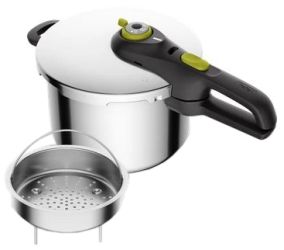
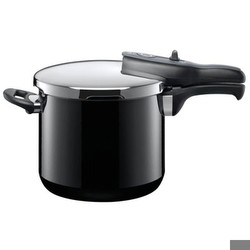
Pressure cookers and electric multi-cookers remain a smart option if you want to reduce cooking times for beans, stews, stocks and tougher cuts of meat. It is more accurate to say that pressure cooking can help preserve flavour, colour and some heat-sensitive nutrients because cooking times are shorter and less water is often used, rather than claiming that it always leaves “much more” nutrition in food.
Useful modern features to look for include:
- Internal measuring marks for stock, rice and sauces
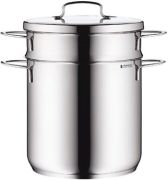
- Straining lids or pour spouts for draining pasta or vegetables
- Helper handles on larger pots for safer lifting
- Induction-compatible bases for flexibility if you change hob later
- Oven-safe construction for recipes that start on the hob and finish in the oven
- Stackable or nesting sets if cupboard space is tight
- Tight-fitting lids to improve simmering efficiency
Legacy marketing terms such as a “thermo-point” lid indicator are no longer especially useful as a buying criterion. Today, shoppers are better served by focusing on build quality, compatibility, ease of cleaning and whether the pot suits the way they actually cook.
Should you buy a pot set?
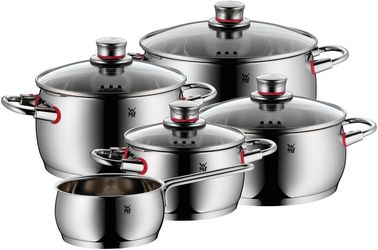
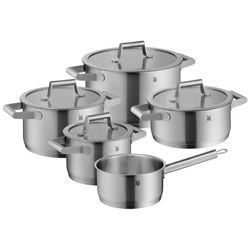
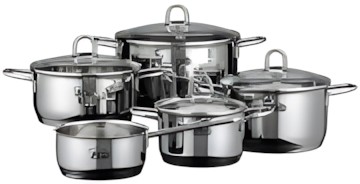
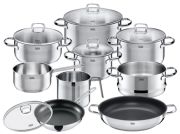
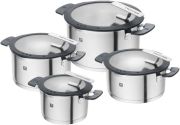
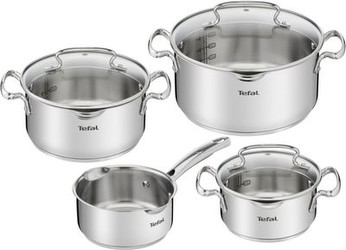
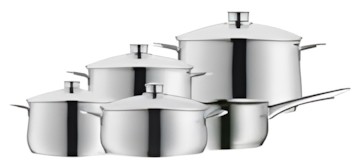
A cookware set can still be good value if you are furnishing a first kitchen, replacing mismatched older pots or want a coordinated range that works across the same hob types and oven temperatures. A typical useful set for a household might include:
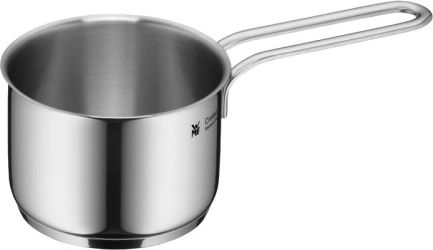
- a small saucepan for porridge, sauces and reheating
- a medium saucepan for vegetables, rice and beans
- a larger pot or stockpot for pasta, soups and batch cooking
- a sauté or casserole pot for one-pot meals
That said, sets are not always the cheapest option in the long run if they include sizes you will rarely use. Many shoppers now build their own collection piece by piece, choosing stainless steel for everyday boiling and simmering, plus one heavier pot for slow cooking.