

















Cutlery: Consumer tips

What types of cutlery are available?
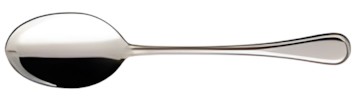
A standard cutlery set usually includes the everyday pieces needed for regular meals. In retail listings, this is often sold as a 16-piece, 24-piece or larger place setting set, depending on how many people it serves.
Common cutlery pieces include:
- Table knives
- Table forks
- Dessert spoons
- Teaspoons
- Dessert forks or dessert knives on some larger sets
- Serving spoons or serving forks in expanded sets
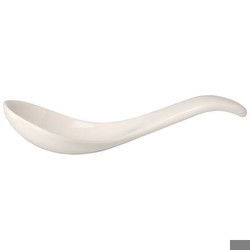
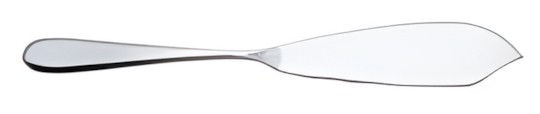
There are also more specialised types of cutlery for particular dishes or occasions. These can include fish cutlery, serving or carving sets, salad servers and children’s cutlery. Most households will not need every specialist item, but they can be useful if you entertain regularly or want a more complete matching table setting.
Materials: what is cutlery usually made from?
Stainless steel is by far the most common material for mainstream cutlery. It is durable, widely available and suitable for everyday use. In listings, you will see grades such as 18/10 or 18/0. These numbers refer to the proportions of chromium and nickel in the steel, but they should be treated as one part of the buying decision rather than the only sign of quality.
A simple guide:
- 18/10 stainless steel: often chosen for its polished appearance and good resistance to staining and corrosion
- 18/0 stainless steel: commonly used and often more affordable, sometimes with a slightly different finish or feel
- Silver or silver-plated cutlery: more traditional and decorative, but higher-maintenance
- Plastic-free disposable cutlery alternatives: often made from wood, paper-based composite or compostable materials rather than older acrylic-style options
Silver cutlery still has a classic, premium appeal, but it requires more care and is much less practical for most everyday households. Specialist spoons for items such as eggs or caviar may still exist in heritage or luxury materials, but these are niche purchases rather than mainstream buying advice.
What should you consider when buying?
The most important things to assess are comfort, durability and ease of care. Cutlery should feel balanced in the hand and pleasant to use, whether you prefer a heavier, more substantial design or a lighter everyday style. It is also worth checking the finish carefully, as very shiny polished sets and brushed or satin-finish sets can give a very different look on the table.
Useful buying points include:
- How the cutlery feels in the hand
- Whether you prefer a heavier or lighter design
- The shape and depth of the spoons
- Fork tine length and comfort
- Whether the handles feel secure and well balanced
- Whether matching extra pieces can be bought separately
- Whether the set is clearly labelled dishwasher-safe by the manufacturer
That last point is especially important. Dishwasher suitability should always be based on the manufacturer’s care instructions, not assumed purely from the steel grade. While some grades are commonly associated with certain qualities, real-world dishwasher performance also depends on the finish, construction and overall product quality.
Is 18/10 always better than 18/0?
Not automatically. 18/10 is often seen as a more premium specification and is widely used in higher-end cutlery, but that does not mean every 18/10 set will outperform every 18/0 set in daily use. The overall quality of the product, its finish, thickness, balance and care instructions all matter. Likewise, 18/0 cutlery can still be a perfectly good choice for everyday family use.
The smartest approach is to look at the full product description rather than relying on the steel grade alone.
Dishwasher-safe cutlery: what should you know?
Many modern cutlery sets are designed for the dishwasher, but it is still worth following the care guidance provided with the set. Dishwasher-safe does not simply mean every finish and every steel blend will behave identically over time. Water quality, detergent, food residue and how quickly the cutlery is cleaned can all affect appearance.
For easier long-term care:
- Follow the manufacturer’s dishwasher guidance
- Rinse off strongly acidic or salty residues if needed
- Avoid leaving wet cutlery sitting for long periods
- Store it dry after washing
- Check if specialist or decorative pieces need gentler care
Children’s cutlery
Children’s cutlery is still a useful category for families. For younger children, smaller and easier-to-hold pieces can make self-feeding easier and safer. Soft-edged, child-friendly designs are often the best choice for early use, while older children can move on to small stainless steel sets that feel more like standard table cutlery.
Buying for everyday use or entertaining?
If you want a set for everyday family meals, choose practicality first: dishwasher-safe design, comfortable handling and the option to replace individual pieces later. If you are buying for entertaining, you may care more about presentation, coordinated serving pieces and a more refined finish.
For many shoppers, the most useful features are:
- A common set size such as 16-piece or 24-piece
- Matching extras available separately
- Clear dishwasher-safe care guidance
- A finish that suits everyday use as well as guests
- Comfortable handling across all pieces