






Bodum Coffee/Teapot: Consumer tips
Thanks to the iconic shape of the French Press, Bodum has enjoyed international recognition since the 1940s. The winner of the Danish Design Award was crowned the most environmentally friendly coffee maker in 1974 and has always lived up to the vision of founder Peter Bodum: "Good design doesn't have to be expensive."
Ecological coffee enjoyment thanks to the French Press: If you have it, you can use it
A cafetière—the term commonly used in the UK for a French press—is often seen as one of the more environmentally friendly ways to make coffee, as it does not require disposable capsules or paper filters. However, this statement is tied to two conditions: First, only as much water as necessary should be heated. Additionally, for a positive environmental balance, no coffee should be wasted but must be consumed. Therefore, Bodum pots should always be purchased in the right size.
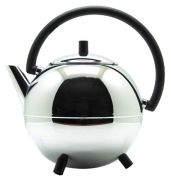
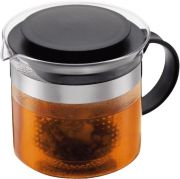
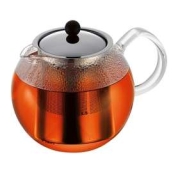
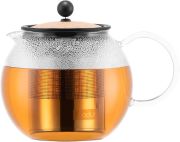
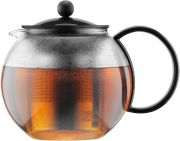
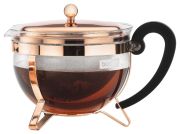
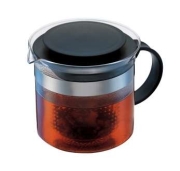
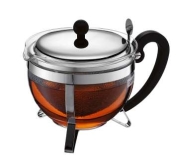
Bodum coffee and teapots come in various models. There are small ones that serve up to three cups, like the Bodum Kenya with a volume of 0.35 litres – the first choice for single households. And there is the Bodum Eileen coffee maker with a capacity of one litre, or the Bodum Chambord teapot with 1.3 litres. These models are also suitable for large families with regular visitors at the Sunday coffee table, serving up to ten to twelve cups.
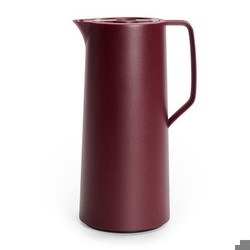
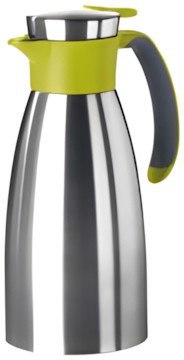
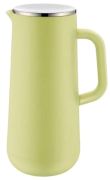
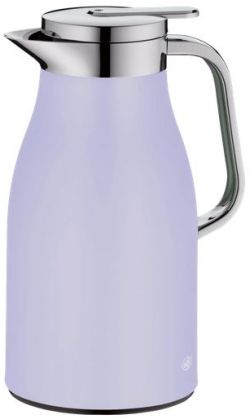
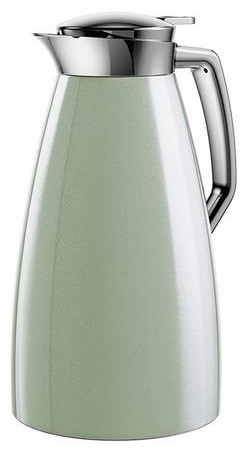
The French Press is also available as a thermos: Bodum Columbia in the large and Bodum Columbia in the small variant. However, this is counterproductive for the aroma and quality of the coffee. The coffee grounds at the bottom of the pot continue to release flavours, making the coffee bitter and sour. To prevent this, coffee – if at all – should be transferred directly from a French Press into a thermos.
Bodum teapots: dishwasher-safe tea makers
Tea has, like coffee, become a true trend beverage in recent years. Many people prefer it freshly brewed and not from a ready-made teabag. To heat the tea leaves, a tea infuser is usually used. However, this is also possible with a French Press. The plunger of the press pushes the tea down after steeping just like coffee.
However, as with coffee, the tea should not remain in the pot longer than necessary. The longer it steeps, the more bitter and undrinkable it becomes. For tea makers, one should always consider the additional purchase of a thermos to transfer the excess liquid directly. And since both are very aromatic natural products that leave their traces, each pot should only be used for one of the two.
Bodum coffee pots prepare the pour-over pleasure
Classic coffee enjoyment reimagined: With a Bodum Pour Over 0.5, the trend is returning to the good old filter coffee machine. This not only follows the trend towards conscious analogue enjoyment in our fast-paced digital world. Pour Over Coffee puts the coffee and all its aromas in the spotlight. However, preparing a good Pour Over Coffee requires a few additional utensils:
- freshly ground coffee
- hand filter and coffee pot
- kettle for slow and precise pouring
- possibly a kitchen scale for measuring the coffee
Typically, a hand filter is equipped with a conventional paper filter bag. However, the Bodum Pour Over has a permanent stainless steel filter. This makes the coffee a bit stronger, as the filter is not as fine as paper, but its use is therefore even more environmentally friendly.
Conclusion
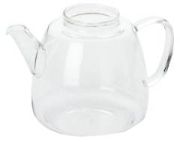
Making delicious coffee or tea while acting environmentally friendly has never been easier. Coffee and teapots from Bodum impress with very good quality and at least as great a product variety. While cheaper models have a higher plastic content in their processing, higher-priced ones are considered timeless, as attractive decor in the kitchens of the nation, and are also almost indestructible – and if something does happen, you can find a replacement glass for your Bodum coffee or teapot from 0.35 to 1.5 litres in our price comparison.