





Which coffee machine to buy? - Consumer tips
Apart from the type of coffee used, there are also significant differences in the preparation of coffee. Here, it is the various coffee machines that make the difference. In addition to the classic coffee machine, which combines pre-ground coffee with water and filters it, you can also choose between pod machines, fully automatic coffee machines, and espresso machines.
How do the individual machines differ?
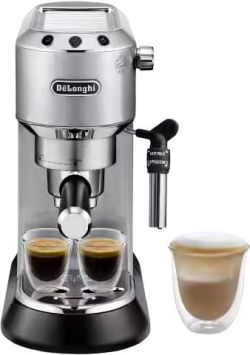
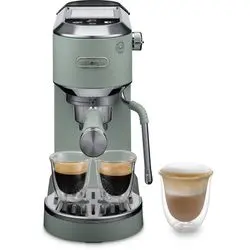
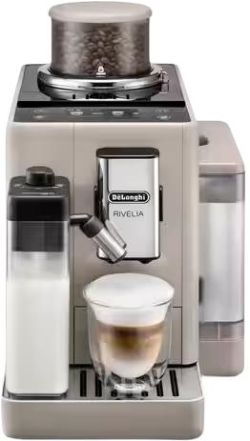
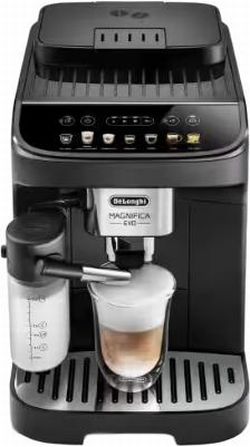
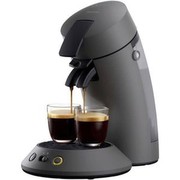
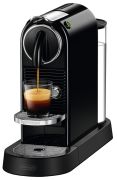
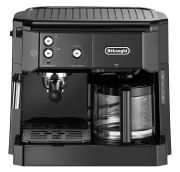
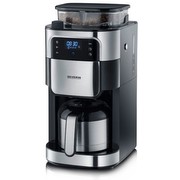
The most obvious difference between the various types of coffee machines is the price. In a simplified way, two groups can be identified. The 'cheap' group consists of conventional coffee machines and pod machines, with conventional coffee machines usually being the least expensive. The second group is more costly. However, there are also differences between espresso machines and fully automatic coffee machines, which are positioned at the highest price level as all-rounders. Fully automatic coffee machines have a built-in grinder and produce a cup of coffee with accompanying milk foam from unground coffee beans at the push of a button. Unlike the ordinary filter coffee machine, the fully automatic coffee machine compresses the freshly ground coffee and then forces hot water through the powder. A short brewing time allows the desired aromatic substances to develop and prevents the release of bitter substances. Therefore, the coffee is more digestible and flavourful than the widely used filter brew coffee. However, fully automatic coffee machines are also larger than normal coffee machines and are more complicated to clean and descale. The espresso machine works on the same principle, but unlike the fully automatic coffee machine, it cannot produce various coffee drinks, being specialised only in espresso. Finally, there are also so-called pod machines on the market, which function similarly to a conventional coffee machine but process the coffee in portions ('pads') like a teabag.
What should I pay attention to when buying a conventional coffee machine?
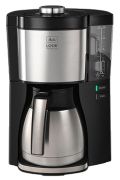
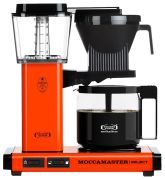
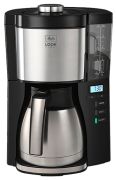
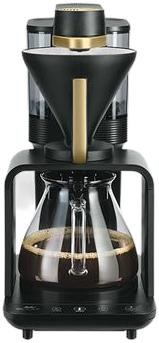
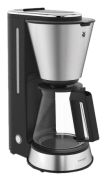
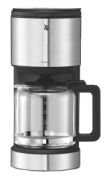
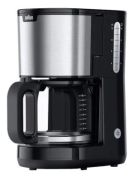
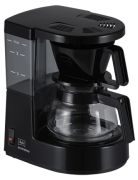
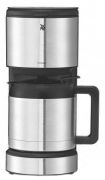
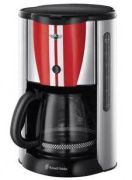
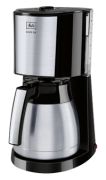
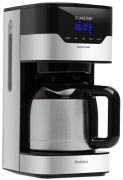
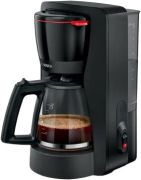
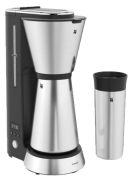
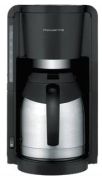
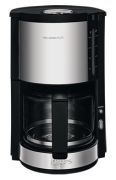
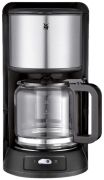
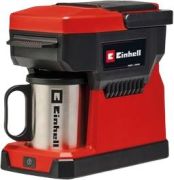
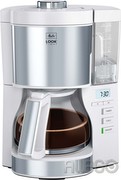
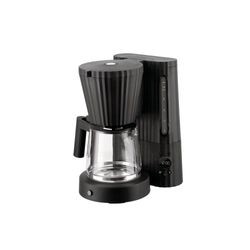
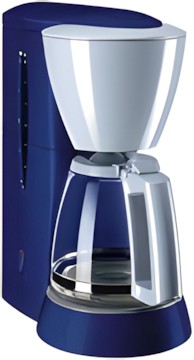
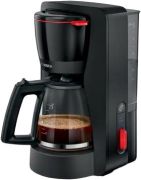
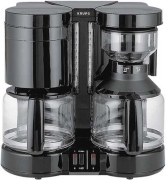
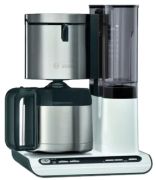
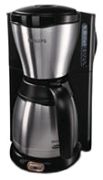
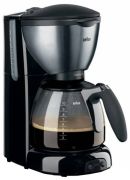
The most obvious feature of the coffee machine is its size or volume. Standard models produce eight to ten cups of coffee in one go. Small machines are satisfied with six cups, while large models have carafes with a capacity of twelve cups. Another purchasing criterion is the equipment. For example, are there water and swivel filters, can the water tank be removed, is there a drip stop, or are there additional functions like an aroma selection and a quantity button? Conventional coffee machines prepare coffee in a semi-automated way. When buying, one should also consider that an insulated carafe keeps the coffee warm longer than a glass carafe and thus consumes less electricity than a machine with a glass carafe and heating plate. During the warming process in a glass carafe, the coffee aroma deteriorates. In an insulated carafe, however, only a little aroma is lost. Other features to consider when purchasing include cleaning and descaling. Can all areas of the coffee machine be easily accessed for cleaning? Finally, one should also take the respective power consumption into account. However, it should be noted that the power affecting electricity consumption impacts the coffee aroma. With a lower power (700-800 watts), the water does not heat up enough, making the coffee taste bland. With a higher wattage, the coffee heats up faster, reducing the brewing time and thus retaining the typical coffee aromas.
And what about safety?
Coffee machines have something to do with heating, so safety-related questions are always important here. A safe machine always has a clearly visible on/off switch that lights up during operation, clearly indicating that it is in use. If you forget to turn off the machine, the automatic shut-off feature activates, which automatically turns off the machine after a certain period. This eliminates the risk of overheating and potential fire development. Finally, you should also pay attention to the presence of a cable storage compartment, which not only serves your convenience but also ensures a secure hold of the coffee machine.