




![Pentax smc DA 300 mm / 4.0 ED [IF] SDM](https://bilder.pricemachine.co.uk/prodfoto/pentaxsmcda300mm4.jpg "Pentax smc DA 300 mm / 4.0 ED [IF] SDM")
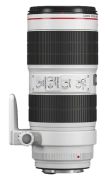
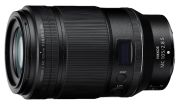
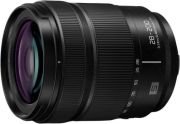
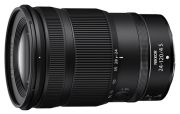

Newly Added Products
Lenses: Consumer tips
The key to choosing the right lens is not brand prestige alone. It is understanding your camera mount, the type of photography you do, and whether you need flexibility, low-light performance, reach or a wider field of view.
Why the lens matters so much
A lens controls more than just zoom. It shapes:
- field of view
- background blur
- low-light capability
- autofocus behaviour
- image sharpness
- portability
- how natural or dramatic a scene looks
That is why choosing the right lens often makes more difference than upgrading your camera body.
Which cameras use interchangeable lenses?
In todays market the main interchangeable lens camera category is the mirrorless camera. These dominate most new enthusiast and professional buyers, with broad lens systems available from major brands. DSLRs still exist in the market, but they are no longer the main growth area.
When buying a lens, the first rule is simple: the lens must match your camera mount. Even within the same brand, not every lens fits every body. Before comparing focal lengths or features, make sure the lens is compatible with your specific system.
The main lens types
For most buyers, lens choice starts with three broad categories:
- standard lenses
- wide-angle lenses
- telephoto lenses
There are also specialist options such as macro, super-telephoto and fast portrait primes, but the three groups above cover most everyday buying decisions.
Standard lenses: the most useful all-round option
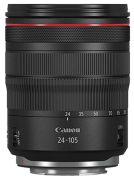
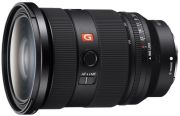
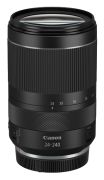
A standard lens is the most flexible starting point for general photography. It gives a natural-looking perspective and is useful for:
- travel
- family photography
- street photography
- everyday shooting
- general video use
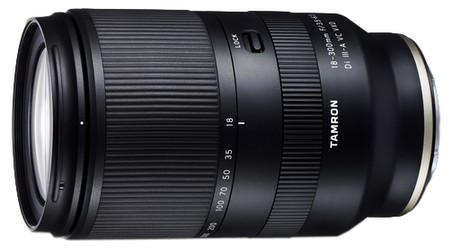
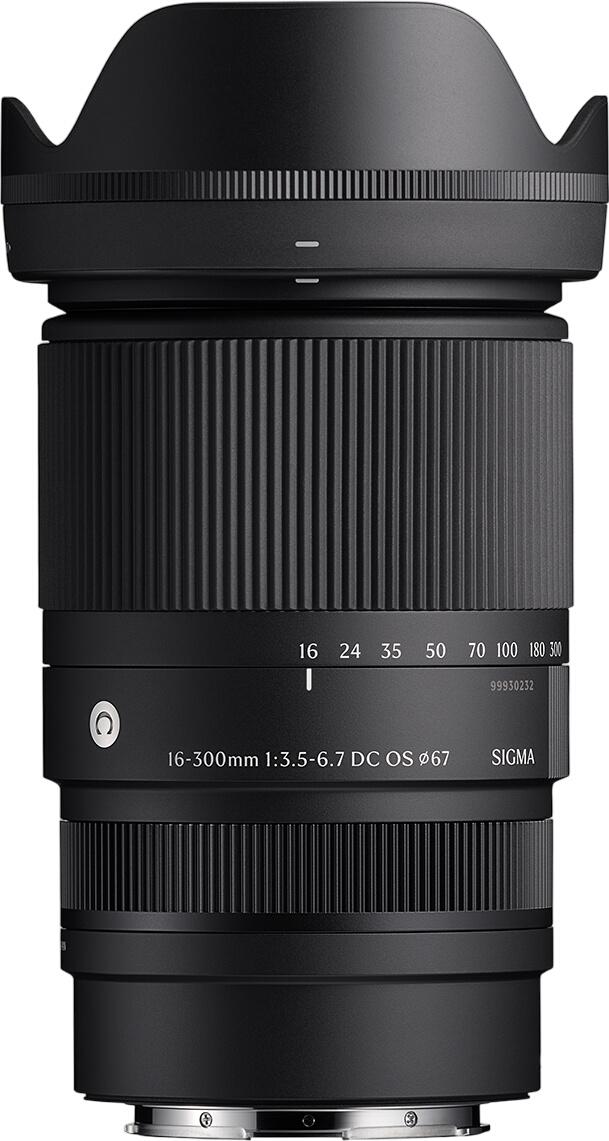
Standard zoom lenses are especially popular because they cover a useful range of focal lengths in one lens. They are often the most practical option for beginners and casual enthusiasts who do not want to change lenses constantly.
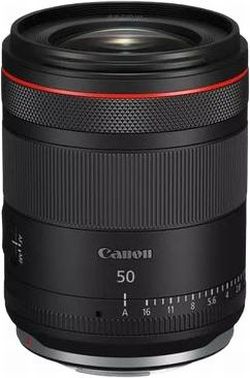
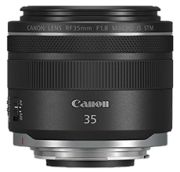
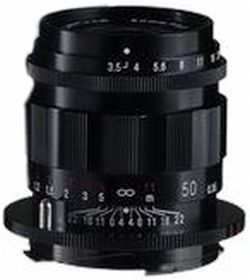
Prime lenses in the standard range are also very popular. A 35mm lens is often a great choice for documentary-style shooting, travel and street photography, while a 50mm lens remains a classic option for portraits and everyday photography.
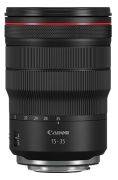
Wide-angle lenses: best for landscapes, interiors and large scenes
Wide-angle lenses capture a broader view of the scene. They are ideal for:
- landscapes
- architecture
- interiors
- travel
- large group shots
- dramatic compositions
Because they fit more into the frame, they are particularly useful when space is limited or when you want to emphasise foreground elements. They can also be excellent for video and vlogging, depending on the focal length and focus performance.
A very wide lens can create a striking look, but it also demands more care in composition. Distortion, stretched edges and cluttered frames become more noticeable if you are not careful.
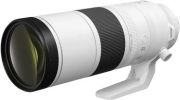
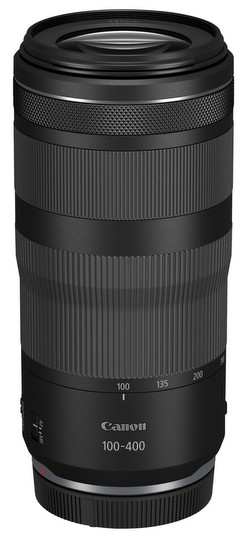
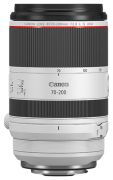
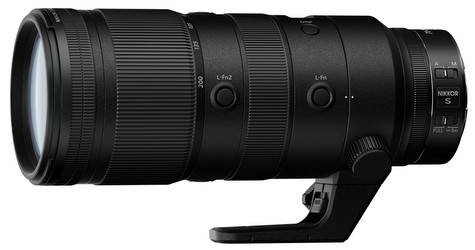
Telephoto lenses: for sport, wildlife and close-up detail at a distance
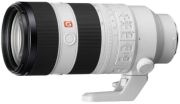
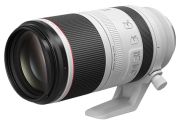
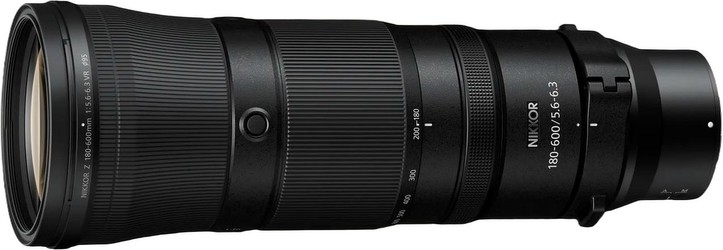
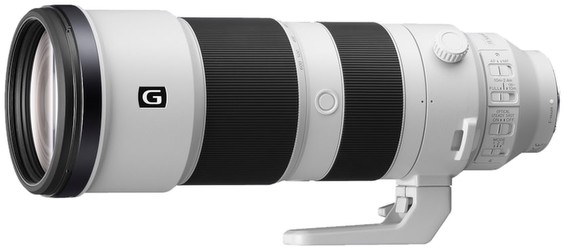
Telephoto lenses bring distant subjects closer and are the natural choice for:
- wildlife
- sports
- air shows
- children playing at a distance
- candid portraits
- compressed landscape shots
A longer focal length also helps create stronger subject separation, where the background appears softer and more distant. That is one reason telephoto lenses are popular not just for far-away subjects, but for flattering portraits too.
If you mainly shoot sport, birds or outdoor events, a telephoto zoom is often far more useful than a standard lens alone.
Prime or zoom: which is better?
This is one of the biggest lens-buying questions.
Zoom lenses
A zoom lens covers multiple focal lengths in one lens. It is the more convenient choice if you want flexibility and do not want to swap lenses often. For many hobbyists, a good zoom is the most practical all-round option.
Prime lenses
A prime lens has a fixed focal length. In return, it is often:
- sharper for the money
- lighter
- better in low light
- better for background blur
A prime lens makes sense if you know what kind of photography you enjoy and want better image quality or a faster aperture than a kit zoom typically offers.
What should you check before buying a lens?
1. Mount compatibility
This is the first and most important check. Make sure the lens fits your specific camera mount, not just the same brand name. In the UK market, many buyers are now choosing between mirrorless systems with different native mounts, so compatibility is crucial.
2. Sensor format
A lens may be designed for:
- full-frame cameras
- APS-C cameras
- Micro Four Thirds cameras
- other system-specific formats
This affects field of view, size and sometimes compatibility or performance expectations.
3. Image stabilisation
Some lenses include optical stabilisation, while some camera bodies provide stabilisation internally. Whether you need lens-based stabilisation depends on your camera, your shooting style and whether you shoot handheld in low light or at longer focal lengths.
4. Autofocus performance
For action, wildlife or video, autofocus matters a lot. A lens may look good on paper but still disappoint if focus is noisy, slow or inconsistent.
5. Aperture
A wider maximum aperture helps with:
- low-light shooting
- background blur
- subject isolation
- faster shutter speeds indoors
If you shoot indoors, in the evening or want more creative control over depth of field, aperture matters just as much as focal length.
6. Size and weight
Some lenses are much larger and heavier than buyers expect. This matters if you travel, shoot handheld for long periods or want a compact everyday setup.
Mirrorless first: buying reality
If you are buying into a new interchangeable-lens system, mirrorless is usually the default choice. That means lens buying should be approached with system-building in mind:
- Are there enough lenses available in your chosen mount?
- Are the lenses you want sold widely in the UK?
- Will you eventually want portrait, macro or wildlife lenses too?
- Are third-party options available for your system?
This matters because the best first lens is often the one that makes sense within a wider future kit.
Buying points to keep in mind
For shoppers, it is worth checking:
- whether the lens is sold with a full UK warranty
- whether prices are VAT-inclusive
- whether the lens is supplied through official UK channels
- whether compatible accessories such as hoods, caps and filters are included
- whether mount options for your system are readily available in the UK market
If you are buying a third-party lens, double-check the exact mount version before ordering, as the same lens name may be sold in several different versions.
Which lens should you buy first?
As a general rule:
- a standard zoom is the best first lens if you want flexibility
- a 35mm or 50mm prime is a great first upgrade if you want better low-light performance and stronger subject separation
- a wide-angle lens is the best next step for landscapes and travel
- a telephoto zoom is the natural choice for wildlife, sport and distant subjects