








Buying macro lenses: consumer tips

Even in terms of imaging performance and construction features, the focus of macro lenses is different from that of conventional lenses with similar focal lengths. Special considerations in construction include:
- as little image distortion as possible
- low distortion – even towards the edges
- consistent sharpness across the entire image format
Ideal solutions are, based on experience, lenses specifically designed for the macro area, with a fixed focal length in closed systems. Normal camera lenses, whether prime or zoom lenses, achieve magnifications between 1:7 and 1:9. However, there are also lenses, known as macro-capable, that achieve a magnification of about 1:4.
The target specification and its achievability
To ensure that the object is reproduced accurately on the image sensor of the digital camera – that is, at a magnification of 1:1, the camera must be positioned accordingly. A tripod is an indispensable tool in macro photography, as the settings for aperture and shooting distance require a stable position. Due to the low depth of field, even the slightest change in position alters the image composition, shifting the absolute sharpness forward or backward despite stopping down. Immediate influences on the magnification include:
- an extension tube (extension rings or bellows)
- the change in focal lengths in zoom lenses by altering the distances of lenses or lens pairs inside the lens
- or a combination of both options
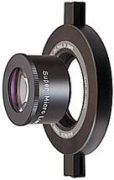
- an achromatically corrected close-up lens. The quality of close-up lenses determines the reproduction quality
The magnifications of 1:1 and 1:2 are the standard for macro lenses. The DIN 19040 from 1979 should not be taken too seriously. The technical revolution of photography has completely passed it by. In this DIN standard, everything between 10:1 and 1:10 is referred to as macro or close-up.
Macro lenses not just for specialists
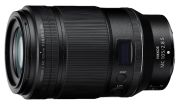
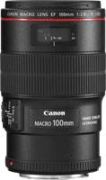
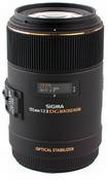
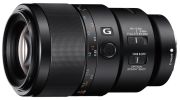
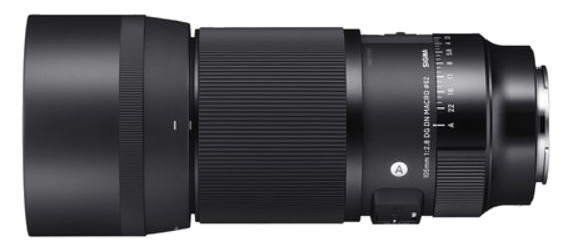
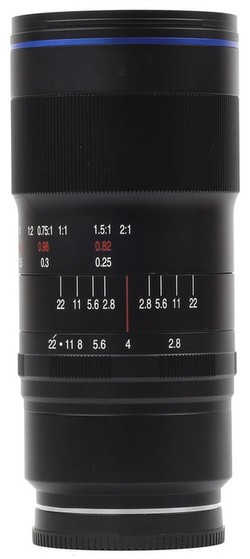
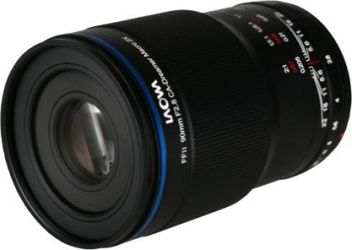
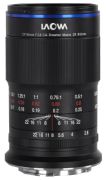
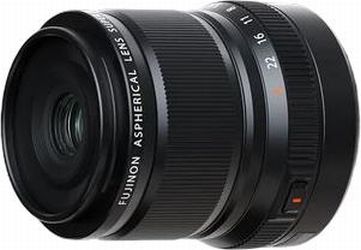
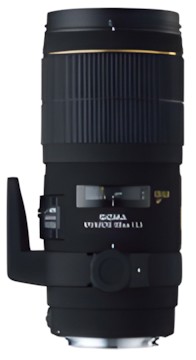
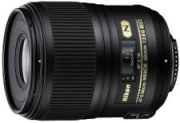
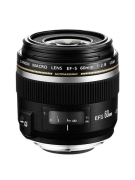
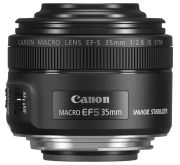
It was one of the first macro lenses with a magnification of about 1:1 – developed in the 1950s by the company Zeiss Oberkochen, the Opton Proxar. Most macro lenses fall within the range of 1:2 and 1:1, unfortunately not all manufacturers specify the magnification. For better information, here are some macro lenses from well-known manufacturers. Fujifilm Fujinon XF 60 mm F2.4 R Macro, telephoto lens, macro lens, magnification 1:2 Canon EF-S USM 2.8/60 Macro, macro lens, magnification 1:1 Sigma MACRO 150 mm F2.8 EX DG OS HSM, macro lens, magnification 1:1
Advantages and disadvantages often lie close together
Macro photography is a highly sensitive and significant field of work, it can be nerve-wracking. With short focal lengths and less weight, the lens must be brought very close to the object, often just a few millimetres away. With living subjects, this is almost impossible. With longer focal lengths, the distance increases to 20 centimetres or more, but the weight of the lens does too. A weight of 1,000 grams is not uncommon. To be on the safe side, a tripod is essential.
When purchasing a macro lens, careful consideration should be given to what photos are to be taken with it. Some lenses in these series are indeed excellent for portraits and landscape shots. Often, more affordable models perform just as well, provided the existing camera is compatible.