


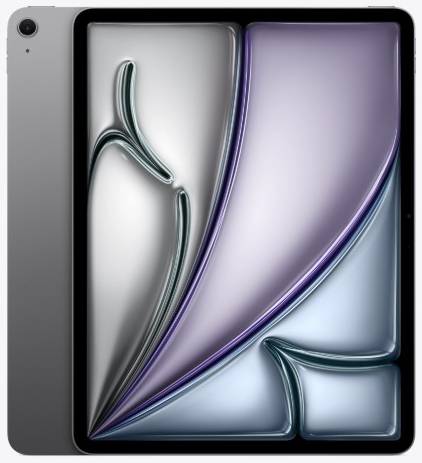
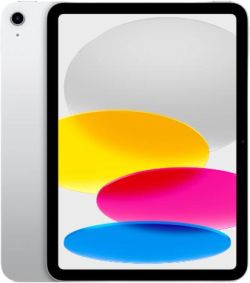
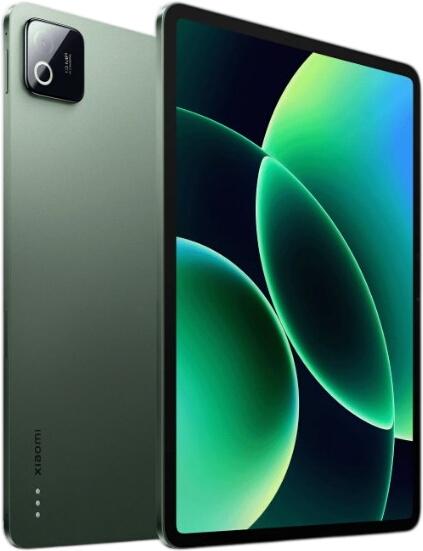
Newly Added Products






Tablets & E-Book Readers: Consumer tips
Tablets are versatile all-round devices for multimedia, gaming, communication and productivity. E-readers, by contrast, are designed specifically for digital reading, with eye-friendly displays and battery life that can last for weeks. The line between the two categories has become somewhat blurred, although each still has clear strengths for particular types of use.
Tablets and e-readers: what is the fundamental difference?
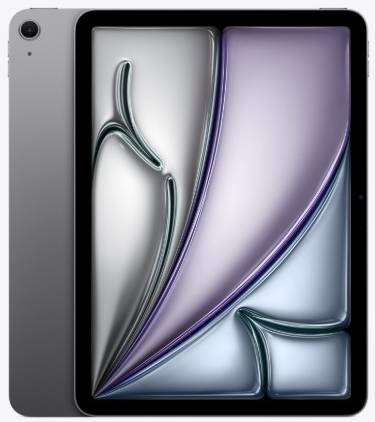
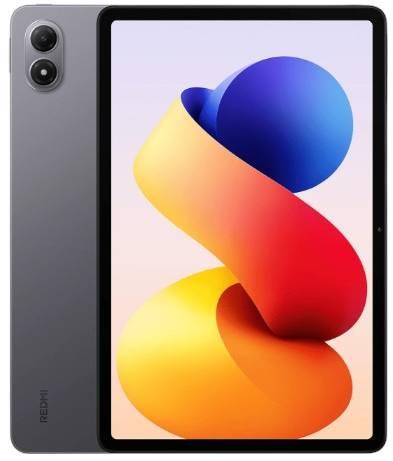
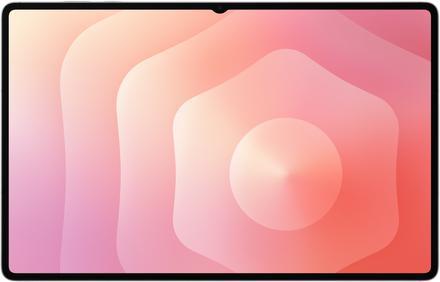
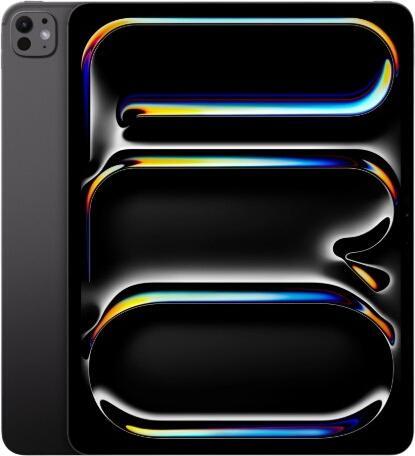
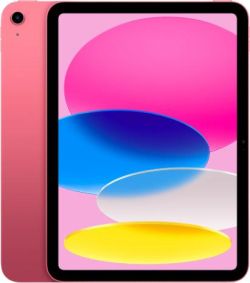
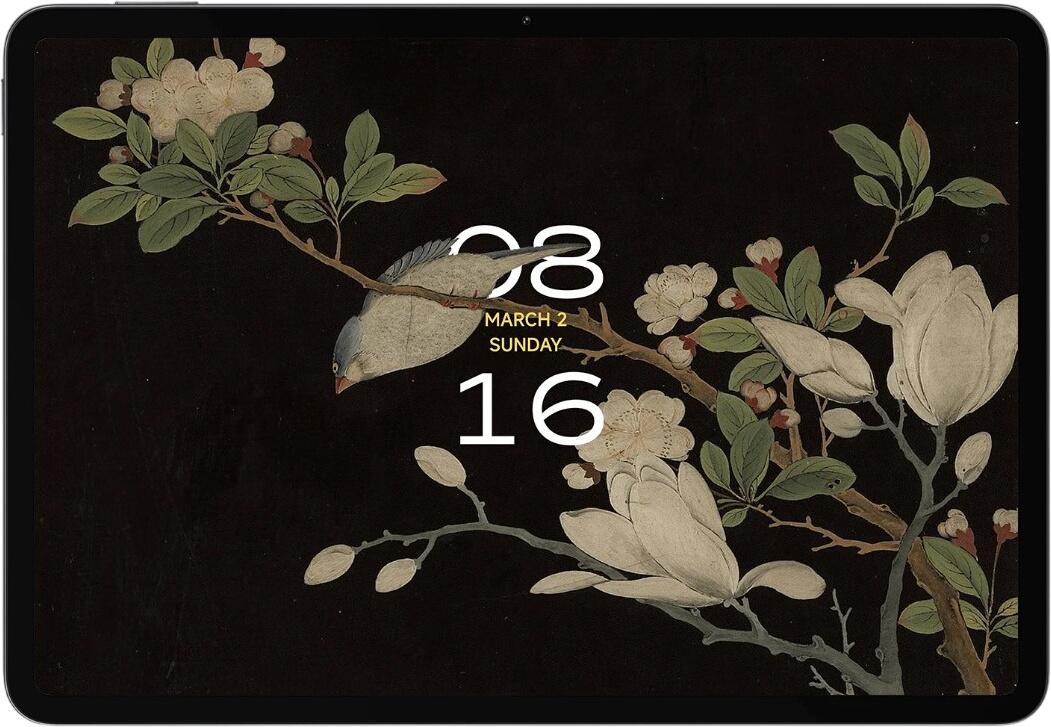
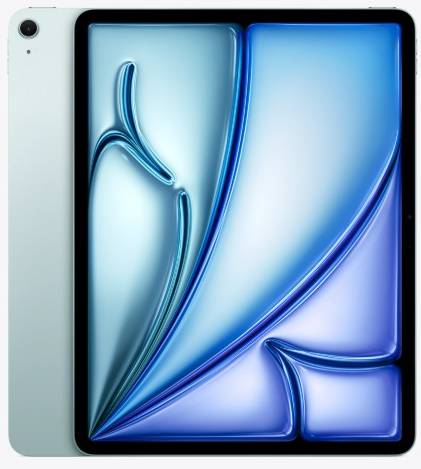
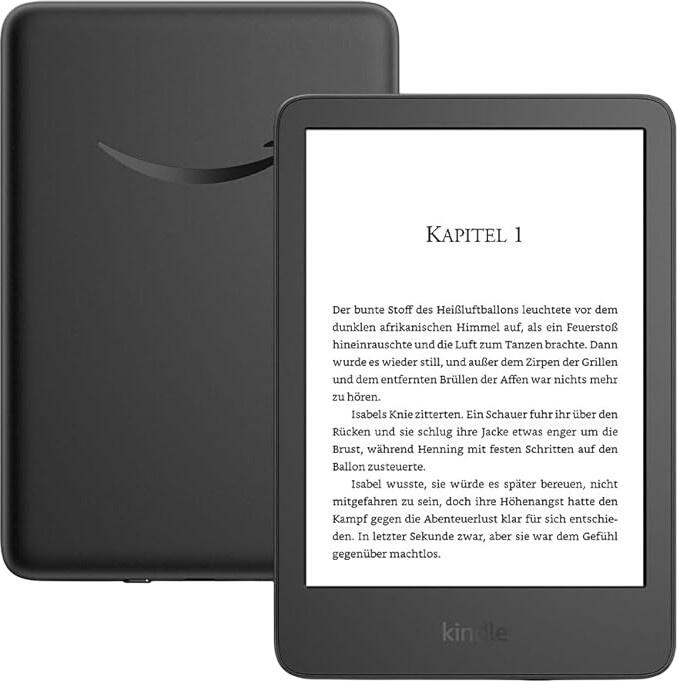
Tablets are touch-controlled devices with LCD or OLED displays, based on mobile operating systems such as iPadOS, Android or Windows, and their performance can in some cases allow them to replace a PC or laptop almost entirely. They combine the portability of a smartphone with the larger display of a laptop, making it possible to stream video, play games, join video calls, carry out creative work and, of course, read digitally on a single device. E-readers, on the other hand, are designed specifically for reading books, magazines and documents in digital form, and their E Ink displays provide a more natural reading experience without the need for conventional backlighting. The main difference lies in the display technology: tablet screens actively emit light and can therefore show videos, photos and animated content, but during long reading sessions they can cause more eye strain because the light shines directly into the eyes. E Ink displays, by contrast, reflect ambient light in a similar way to printed paper, creating a more relaxed reading experience and requiring power only when turning pages, which explains their exceptionally long battery life. For keen readers who mainly consume books, e-readers are the more comfortable and energy-efficient choice, whereas users looking for a universal digital device for a range of tasks are generally better served by a tablet. Devices such as the Apple iPad or Samsung Galaxy Tab can certainly be used for e-books thanks to their display quality and the apps available, but they never fully match the reading comfort of dedicated E Ink devices.
Which display technologies are available, and how do they affect use?
The display is one of the most important components in both tablets and e-readers, determining image quality, power consumption, eye comfort and the range of possible uses. LCD displays are the most common option in entry-level tablets and offer good brightness, strong colours and acceptable contrast at comparatively low prices. IPS LCD panels provide wider viewing angles without colour distortion and are standard in better mid-range models. Their disadvantages include higher power consumption than OLED and limited black levels because of the necessary backlighting. OLED displays, by contrast, offer the best black levels thanks to self-emitting pixels that can be switched off completely, as well as very high contrast and richer colours. Tablets from Apple and Samsung often use OLED or AMOLED technology to achieve excellent picture quality, especially for HDR content and in darker environments. Mini-LED improves black levels in LCD-based panels through hundreds of small LED zones that can be dimmed individually, making it a compromise between OLED and conventional LCD.
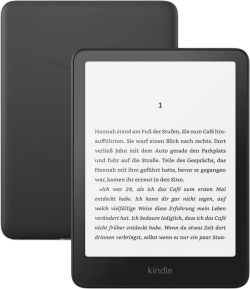
E Ink technology is the defining feature of all e-readers and uses microscopic capsules containing black and white particles that are moved to the surface by electric fields. Because no active light is emitted, reading feels much more similar to reading printed paper, which significantly reduces eye fatigue during long sessions. Modern E Ink panels offer much better contrast and faster page turns than older generations, while colour E Ink displays are becoming increasingly available and improving in speed, making them more suitable for magazines and comics.
Connectivity and accessories
Wi-Fi 6 or Wi-Fi 6E is standard in current tablets and offers much higher data transfer speeds and more stable connections in networks with many devices compared with older Wi-Fi 5. Optional LTE or 5G allows internet access even without available Wi-Fi, although this requires a separate SIM card and a mobile data contract. Bluetooth 5.0 or later is standard in all current tablets for wireless connections to headphones, speakers and other accessories. In e-readers, Wi-Fi is commonly used for the wireless purchase and download of new books, while USB-C is typically used for charging and synchronisation.
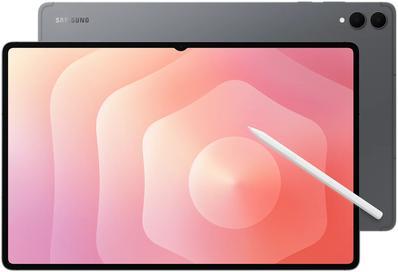
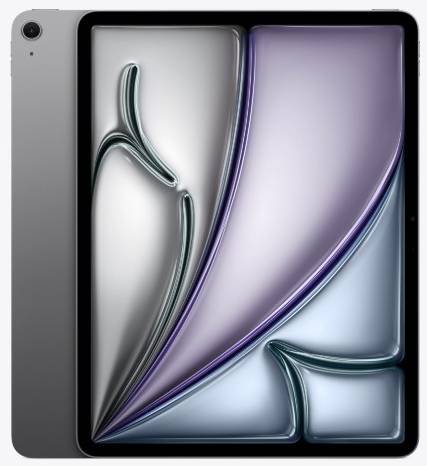
Accessories are especially extensive for the iPad, with a wide range available. The Apple Pencil enables precise drawing and note-taking, the Magic Keyboard provides a more comfortable typing experience, and Smart Folio cases protect the device. Samsung offers the S Pen stylus and Book Cover Keyboards for greater flexibility. Stylus technology has developed from basic capacitive input devices into active pens with pressure sensitivity, tilt recognition and latency of under 10 milliseconds, making accurate drawing and handwritten note-taking feel remarkably close to paper. For e-readers, the accessory ecosystem is much more limited and generally focuses on protective covers, reading lights and stands that can complement the reading experience.
Battery life in tablets and e-readers
Battery life differs dramatically between tablets and e-readers and reflects the contrast in the display technologies they use. Tablets typically achieve between 8 and 12 hours of use under normal conditions because of their active displays and powerful processors, although intensive activities such as gaming, video editing or streaming can reduce runtime significantly. Apple promotes its iPads as offering long battery life, which is realistic under moderate use, while Samsung Galaxy Tab models with large 10,090 mAh batteries can achieve similar or slightly better results. Tablets with fast-charging support can usually be fully recharged in around 2 to 3 hours, although Apple tends to limit charging speeds on iPads. E-readers, by contrast, can last for several weeks when used for around 30 minutes of reading a day, because their E Ink displays consume power only when turning pages. This far better battery life is one of the strongest arguments in favour of an e-reader and makes it especially well suited to travel and long reading sessions. In e-readers, actual battery life depends mainly on the brightness of the front light, whether Wi-Fi is enabled and how often pages are turned. Fast charging is less important in this category, as the relatively small batteries are usually fully charged within 2 to 3 hours. USB-C allows charging with standard smartphone power adapters. For avid readers who use their device for hours every day, e-readers are unmatched in terms of battery life, whereas tablets, with their shorter runtimes, require much more regular charging.