







Newly Added Products

Irons: Consumer tips
Standard steam iron or steam generator?
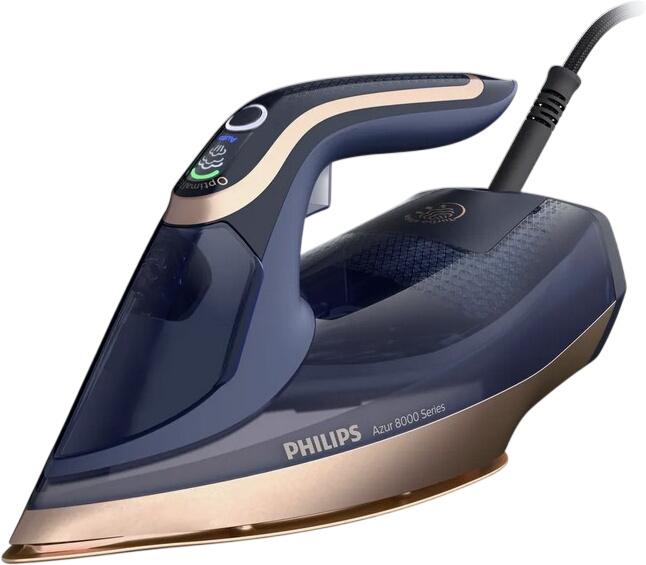
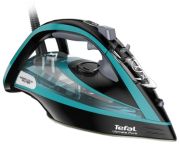
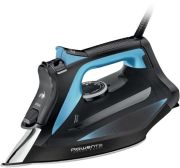
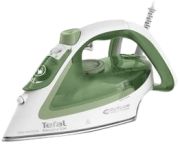
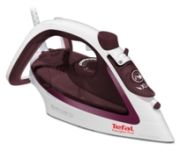
A standard steam iron has a built-in water tank and is the simplest option for most households. It is relatively compact, quick to set up and easy to store. A larger tank reduces refill stops, but also adds weight to the iron.
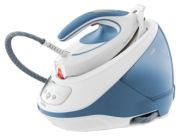
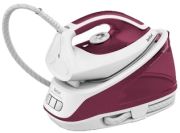
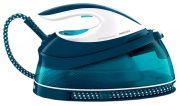
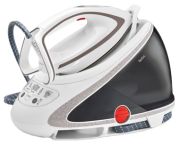
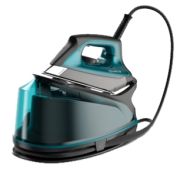
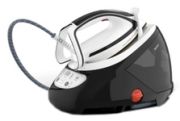
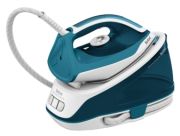
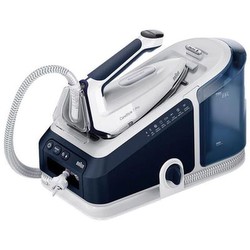
A steam generator consists of a lightweight iron connected to a separate base unit containing a larger water tank and boiler or pump system. It produces a stronger, more consistent steam output, which can make it easier to smooth heavy cotton, linen and multiple layers of fabric. The base needs more storage space, but the iron itself may feel less tiring during long sessions.
Steam generator prices vary widely in the UK, from more affordable entry-level models to premium systems with high-pressure steam, larger tanks and automated settings. Compare the total features, warranty and ongoing maintenance rather than relying on a single price point.
Choose a steam iron if you:
- Iron occasionally or have smaller loads
- Need a compact appliance for limited storage
- Prefer a lower upfront cost
- Mainly iron everyday cotton and synthetic clothing
Choose a steam generator if you:
- Iron frequently or for several people
- Regularly press shirts, bedding, uniforms or table linen
- Want more powerful steam for stubborn creases
- Have room to store a separate base unit
Steam output, power and temperature settings
Steam helps relax fibres, making creases easier to remove with less pressure. For everyday ironing, compare the continuous steam output in grams per minute rather than wattage alone. A steam-shot or steam-boost function is useful for thicker fabrics and stubborn creases, but it should be used only when the care label permits steam.
Higher power can support faster heat-up and steam recovery, but does not guarantee better results on its own. The design of the soleplate, steam distribution and temperature control are equally important.
Most irons offer adjustable temperature controls for different fabric types. Some current models use automatic or fabric-safe temperature technologies designed to reduce the risk of scorching when moving between fabrics. These can be convenient, but delicate materials, prints and garments with specialist care labels should still be treated cautiously.
Useful features to consider include:
- Continuous steam for efficient everyday ironing
- Steam boost for heavier fabrics and persistent creases
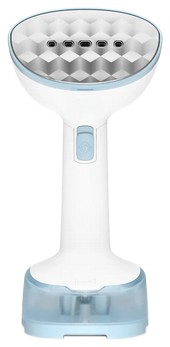
- Vertical steam for hanging garments and curtains, where suitable
- Fast heat-up time
- Adjustable or automatic temperature control
- Anti-drip system to reduce water marks at lower temperatures
- Automatic shut-off for added safety
- Long flex or practical cord storage
- Comfortable handle and manageable weight
Soleplates and glide
The soleplate affects how easily an iron moves across fabric. Ceramic-coated, stainless-steel and proprietary coated soleplates are all common. There is no single best material for every user, but a smooth, scratch-resistant soleplate with well-distributed steam holes will make ironing easier.
Ceramic coatings often offer smooth glide and can be easy to wipe clean. Stainless-steel soleplates are durable and heat evenly. Check reviews for long-term durability, particularly if the soleplate uses a non-stick coating that may be damaged by rough zips, buttons or metal fastenings.
Always keep the soleplate clean and avoid ironing over prints, decorations or metal trims unless the garment-care label says it is safe. A dirty or damaged soleplate can snag fabric or leave marks.
Water, limescale and maintenance
Water guidance varies between manufacturers and models. Hard tap water can lead to limescale build-up, which may reduce steam performance and cause mineral deposits to appear on clothing.
Some irons are designed for normal tap water and include anti-scale cartridges, self-cleaning functions or calc-collection systems. Others recommend filtered, demineralised or mixed water in hard-water areas. Do not automatically use distilled water: certain manufacturers advise against it, while others permit or recommend it. Always follow the instructions for your specific iron.
To keep a steam iron working well:
- Empty the water tank after use if recommended by the manufacturer.
- Use the self-clean or anti-scale function at the stated intervals.
- Replace anti-scale cartridges when required.
- Avoid adding perfume, starch, vinegar or other liquids unless the manufacturer explicitly allows them.
- Wipe the soleplate only when cool, using a non-abrasive cloth.
Iron buying checklist
- Choose a standard steam iron for occasional use and a steam generator for larger loads.
- Compare continuous steam output, steam boost and heat-up time.
- Select a comfortable weight, handle and cable length.
- Check the soleplate material and steam-hole layout.
- Look for automatic shut-off and anti-drip protection.
- Follow the manufacturer’s water and descaling guidance, especially in hard-water areas.
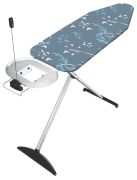
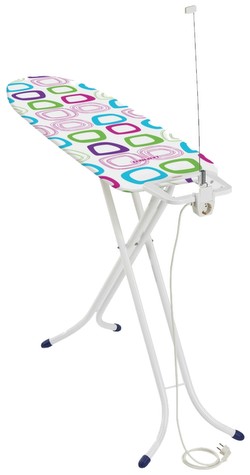
- Confirm that a steam generator will fit safely on your ironing board and in your storage space.