






Ebook readers: Consumer tips
How does an e-book reader work, and what makes E Ink special?
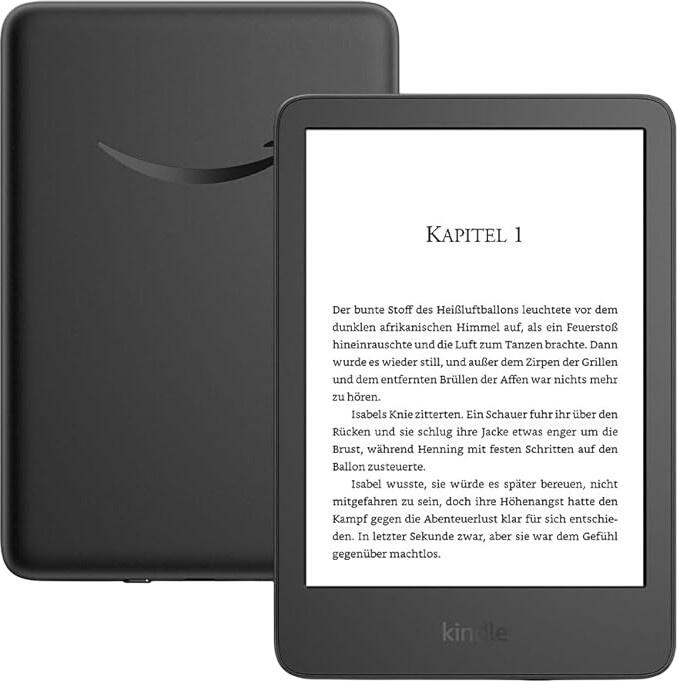
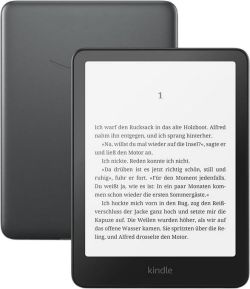
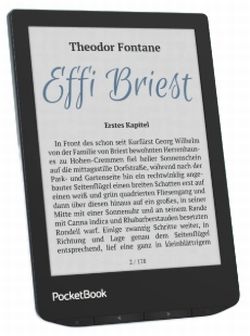
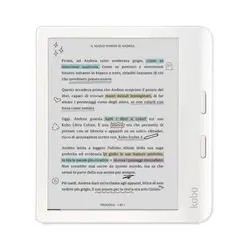
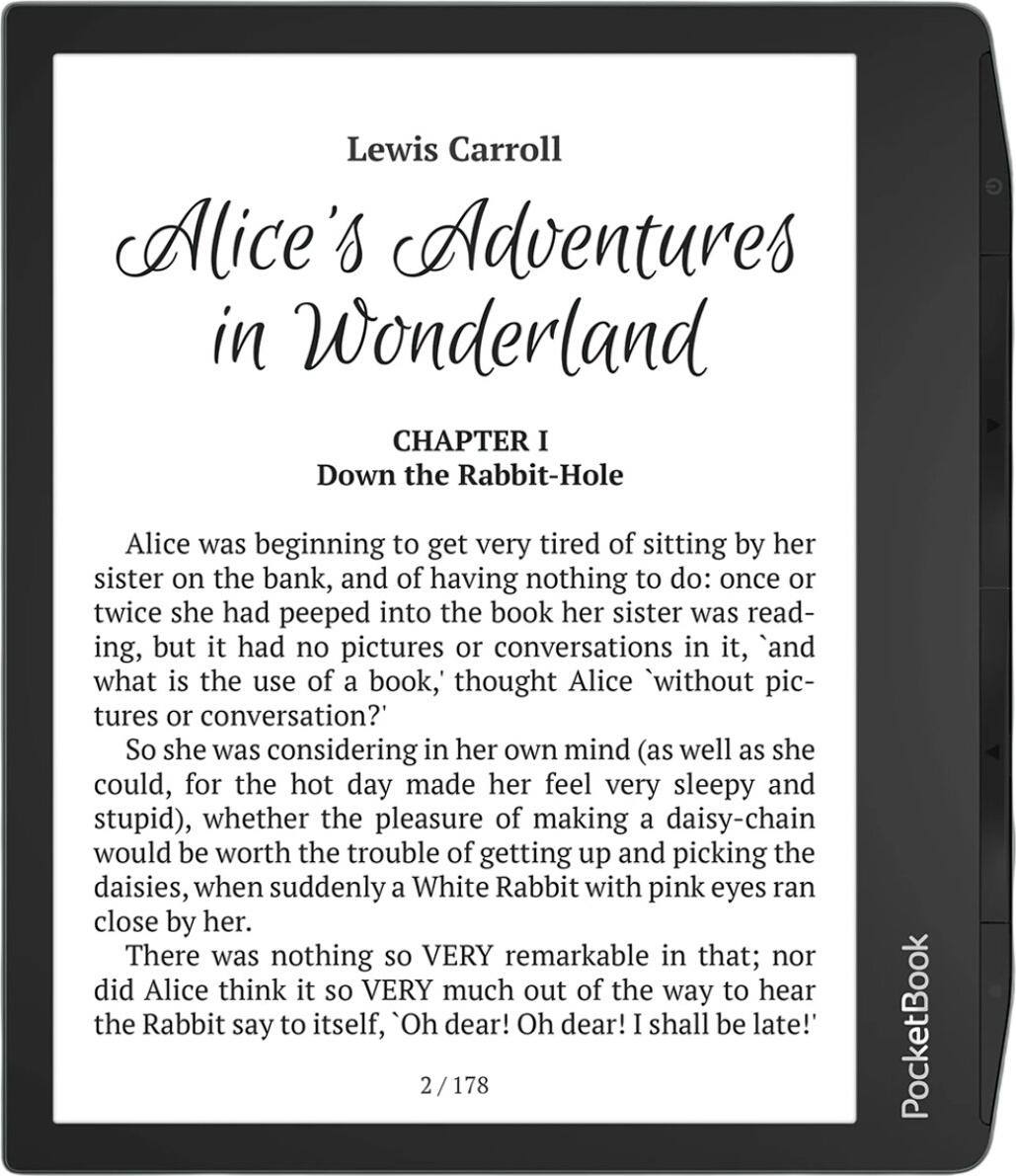
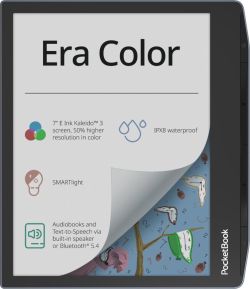
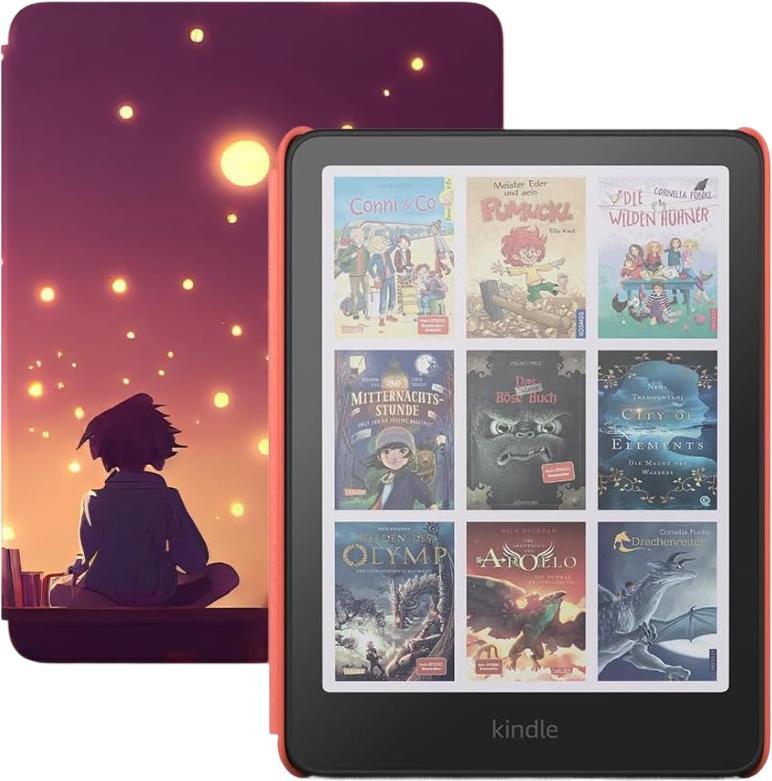
E-book readers use a different display technology from smartphones, tablets or laptops, and their E Ink screens come closer to printed paper than any other digital display technology. At the heart of E Ink are microscopic capsules containing black and white particles suspended in a transparent fluid. The key difference compared with active displays is that E Ink screens require power only when a page is turned and can hold the displayed image permanently without continuous energy consumption. This mechanism explains their extremely long battery life: even with daily reading of 30 to 60 minutes, many devices can often last for weeks or even months without recharging. Because E Ink displays do not emit active light but instead reflect ambient light in much the same way as printed paper, reading is considerably easier on the eyes than on illuminated tablet screens. Blue-light exposure, flicker and direct light shining into the eyes are largely avoided, making even very long reading sessions more comfortable. Faster page turns with less visible ghosting, higher contrast for deeper blacks and optional colour display for magazines and comics are among the features found in current-generation screens. Integrated front lighting, using LEDs built into the edge of the display, also allows comfortable reading in the dark without relying on external light.
What display sizes and resolutions are available?
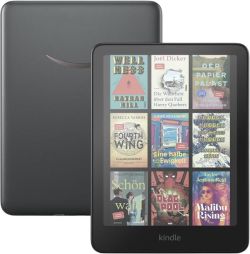
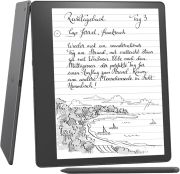
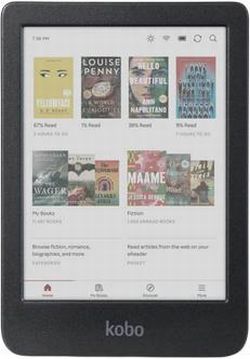
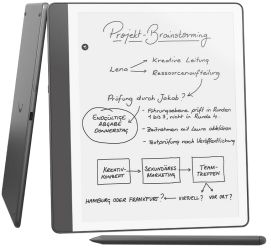
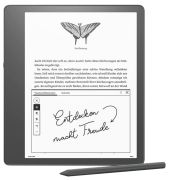
Display size and resolution play a major role in the reading comfort, visual quality and suitability of an e-book reader for different types of content. Compact 6 to 7-inch readers are the most common size and offer an excellent balance between portability and readability for novels and non-fiction books. This size is roughly comparable to a paperback and fits comfortably into a jacket pocket or small handbag, while usually weighing under 200 grams, making one-handed reading over long periods entirely practical. Mid-sized readers with 7 to 8-inch displays offer more text per page, which can be particularly helpful with larger font sizes, specialist literature with many footnotes or two-column layouts. This size remains portable while making PDFs or academic documents considerably more comfortable to read without constant zooming. Large readers with 10 to 13-inch displays, such as the Kindle Scribe or Kobo Elipsa, provide a screen area approaching A4 size, making them especially suitable for magazines, comics, technical documentation or PDFs in something close to their original format. Resolution is measured in PPI (pixels per inch) and determines how sharp the text appears. 300 PPI is regarded as the gold standard and makes text appear virtually print-sharp, without visible pixels. Current models from Kindle, Kobo, PocketBook and Tolino consistently reach 300 PPI, which significantly improves readability even with smaller font sizes or more delicate serif typefaces.
What lighting options do modern readers offer?
An integrated front light is now almost standard equipment. It ensures that reading remains comfortable even in darkness or poor lighting conditions. Important quality criteria include even illumination without visible shadows or bright patches, as well as sufficiently fine brightness adjustment. Many current models also offer adjustable colour temperature, allowing users to choose between cooler and warmer light, with warmer tones often being perceived as more pleasant in the evening. Higher-end readers may regulate brightness and colour tone automatically or according to the time of day. Regardless of the lighting system, one of the central advantages of all E Ink devices remains their excellent readability in direct sunlight, where they are clearly superior to conventional tablets.
Which platforms are available?
Platform choice is particularly important with e-book readers because it determines how books are purchased, synchronised and managed. Amazon Kindle is the best-known and most closed ecosystem. Buying books, synchronising reading progress and integrating with other Amazon services work especially smoothly, but purchased content is usually tied quite closely to the Kindle platform.
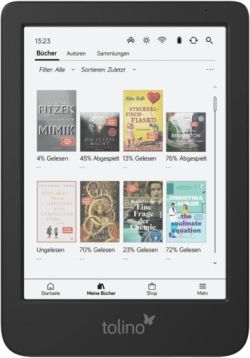
Kobo places greater emphasis on open standards such as EPUB and therefore offers more flexibility when obtaining e-books from different sources. PocketBook follows a similarly open approach and supports a wide range of file formats, which is particularly attractive for users who do not want to buy all their books from a single shop. Tolino remains especially relevant in German-speaking markets because the platform is closely linked to local booksellers and represents a practical alternative to the Kindle ecosystem for many readers.
Anyone intending to borrow e-books from libraries should pay especially close attention to platform choice. In German-speaking countries in particular, there are differences in support for library services such as Onleihe. Tolino and PocketBook have traditionally been especially suitable here, whereas more closed systems may involve restrictions depending on the service and the region.
How important are water resistance and durability?
Water resistance has now become standard on many current mid-range and upper-range e-book readers. Anyone who enjoys reading in the bath, by the pool, in the garden or while travelling will benefit noticeably from a device with proper water protection. Models with suitable certification are better protected against temporary immersion or splashes than simpler entry-level devices. Even so, e-book readers remain relatively delicate devices, mainly because of their display technology. E Ink screens are robust enough for normal daily use, but they are often more sensitive than many tablet screens to pressure, drops or localised impact. A suitable protective cover is therefore highly advisable. It not only protects the device during transport, but often also improves convenience through automatic sleep functions or a more secure grip during long reading sessions.
Which additional features are useful?
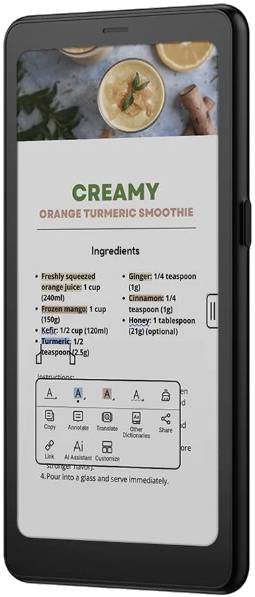
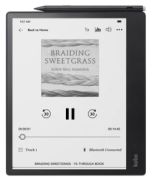
Modern e-book readers offer far more than simply displaying text. Integrated dictionaries, translation functions, highlighting, notes and bookmarks are now standard on many devices. These features can make everyday reading much easier, especially when reading foreign-language literature or specialist texts. Managing larger libraries has also become more convenient. Cloud synchronisation, collections, reading statistics and automatic organisation of content help users keep even extensive libraries manageable. Depending on the model, further features may include Bluetooth for audiobooks, text-to-speech, PDF adjustment options or export functions for notes. Which of these additional functions are truly important depends very much on the individual user profile.
What role do stylus and note-taking functions play?
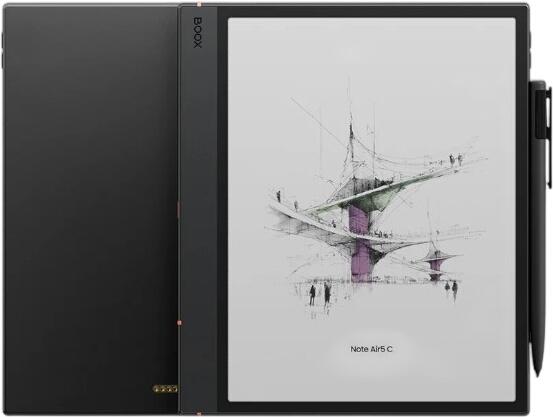
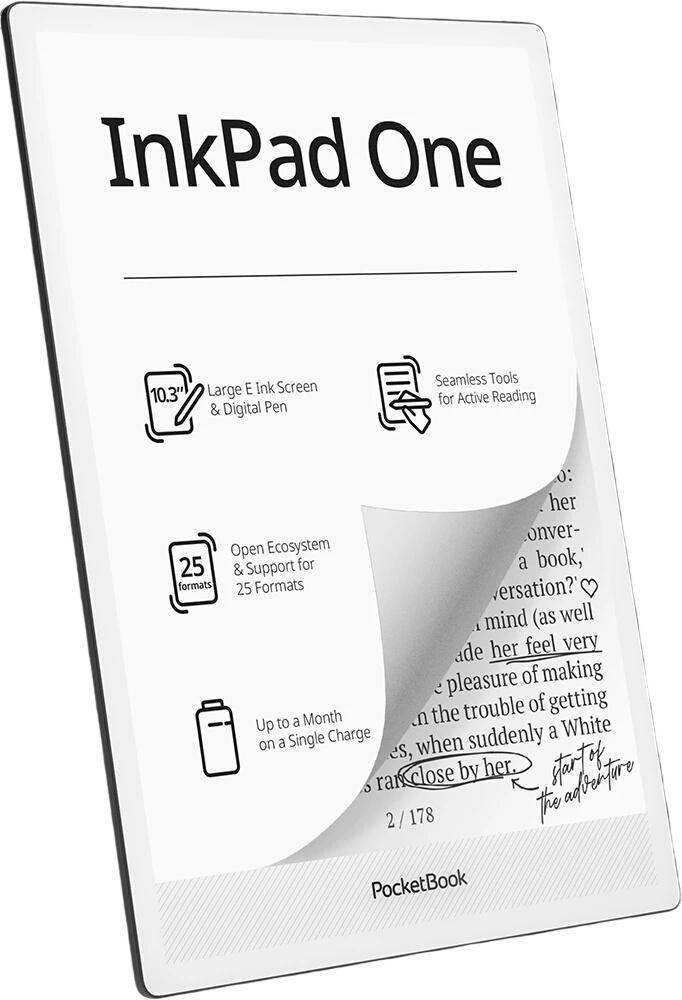
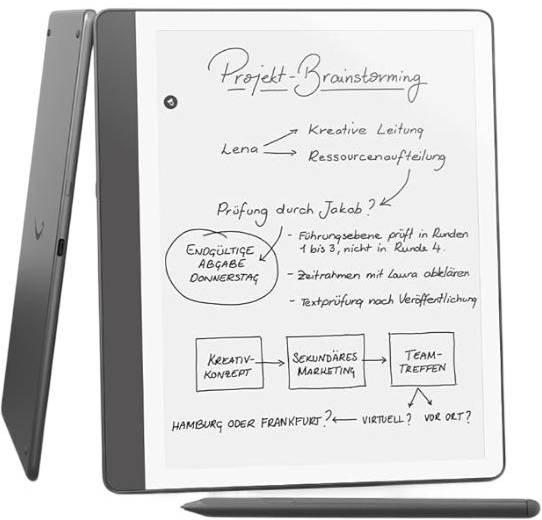
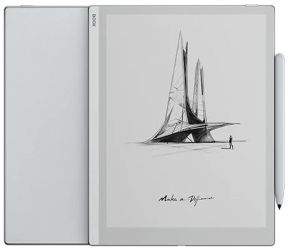
A growing category of devices combines traditional reading with handwritten note-taking. These e-book readers or e-note devices are aimed primarily at students, heavy readers, professional users and anyone who wants to work actively with texts. Large displays of around 10 inches or more are especially well suited to handwritten annotations in documents, notebooks, mind maps or commenting on PDFs. Compared with tablets, the writing experience on E Ink devices generally feels more like paper, although the display responds more slowly than a conventional LCD or OLED screen because of the underlying technology. For notes, corrections and structured written records, this is usually not a problem, but for fast sketching or very dynamic input it is less ideal. Anyone who mainly wants to read does not necessarily need this feature. For users with a strong focus on annotation or digital handwriting, however, it can be a decisive advantage.
Which library and subscription services are available?
Alongside traditional book purchases, borrowing and subscription models are becoming increasingly important. Public libraries in Germany, Austria and Switzerland offer access to large numbers of e-books through digital services such as Onleihe, often without additional cost beyond the library membership itself. However, not all readers and platforms support these services equally well, so before buying it is worth checking whether the chosen device is compatible with the preferred library service. There are also subscription-based services such as Kindle Unlimited, Kobo Plus and other specialised e-book platforms. These flat-rate offers are especially worthwhile for users who read regularly and in large quantities, provided they are happy with the available catalogue. Anyone who mainly reads bestsellers, selected new releases or specific German-language publishers should look carefully at how well the available range matches their own reading habits.