





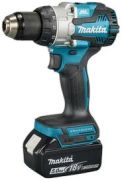
Cordless Screwdrivers: Consumer tips

The best model depends on the jobs you plan to tackle. A compact 3.6V or 7.2V screwdriver is ideal for light household tasks, while 12V, 18V and 20V Max-branded drill drivers offer more torque and battery capacity for frequent DIY, renovation and trade use. Note that some brands market 18V nominal battery systems as “20V Max”; these figures can refer to the same battery platform measured in different ways.
Torque, speed and control
Torque is the turning force that drives screws into a material. Higher torque is useful for larger screws, dense timber and drilling, but maximum torque alone does not determine how practical a tool will be. The quality of the motor, gearing, clutch and battery system also affects real-world performance.
For furniture assembly, fittings and smaller screws, a compact cordless screwdriver with moderate torque is often easier to control. For decking, timber framing, kitchen fitting or repeated drilling, choose a drill driver with a two-speed gearbox and a higher torque rating.
A variable-speed trigger is particularly important. It lets you start slowly, reducing the chance of slipping, damaging screw heads or marking the work surface. An adjustable torque clutch helps prevent overtightening screws, especially when working with plasterboard, softwood, hinges and flat-pack furniture.
Look for:
- Variable-speed trigger for controlled starts and accurate screwdriving
- Adjustable clutch to reduce stripped screw heads and overtightened fixings
- Two-speed gearbox for low-speed, high-torque screwdriving and faster drilling
- Forward/reverse switch for driving and removing screws
- Electronic brake to stop the bit quickly when the trigger is released
- LED work light for cupboards, lofts and poorly lit work areas
Lithium-ion batteries are now standard
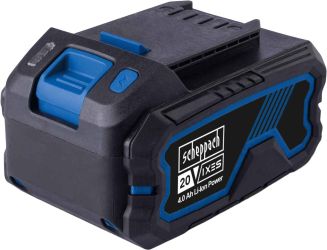
Lithium-ion (Li-ion) batteries are the mainstream choice for cordless screwdrivers and drill drivers. They are lighter than older battery types, hold their charge well when stored and provide consistent power through most of the charge cycle.
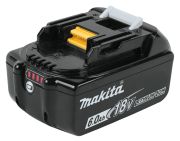
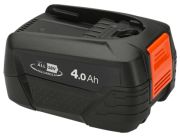
Battery capacity is measured in ampere-hours (Ah). A higher Ah rating generally means longer runtime when used with the same tool, although the job, material, drill-bit size and battery voltage all affect actual performance. A 2.0Ah battery is often a convenient lightweight option for occasional DIY, while 4.0Ah and 5.0Ah batteries are better suited to longer or more demanding tasks. Larger batteries can make a compact tool heavier, however.
For occasional home use, one battery may be enough. A kit with two batteries is useful if you expect to work for extended periods or want to keep one charging while using the other, but it should not be treated as essential for every buyer.
Modern chargers manage charging automatically, but charging times vary by brand, battery size and charger output. Fast charging is convenient, though it does not automatically extend battery life. To help maintain battery condition, use the manufacturer-approved charger, avoid storing batteries in very hot or freezing conditions, and do not leave them permanently on charge unless the manufacturer states that this is safe.
Choose the right battery platform
If you already own cordless tools, it often makes sense to buy a screwdriver or drill driver that uses the same battery system. Major tool ranges allow one battery to power compatible drills, impact drivers, sanders, saws, garden tools and lights.
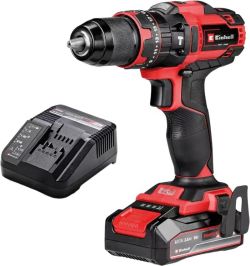
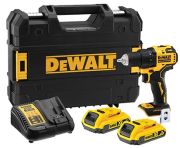
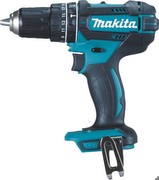
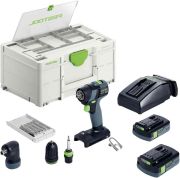
Buying a “bare tool” without a battery or charger can save money if you already own compatible batteries. If you are starting from scratch, compare complete kits rather than tool-only prices. Check exactly what is included: battery, charger, carry case, screwdriver bits and drill bits are not always supplied.
Drill chuck, bits and tool type
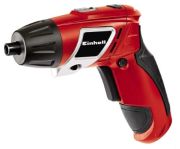
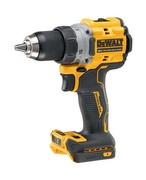
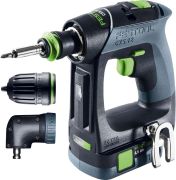
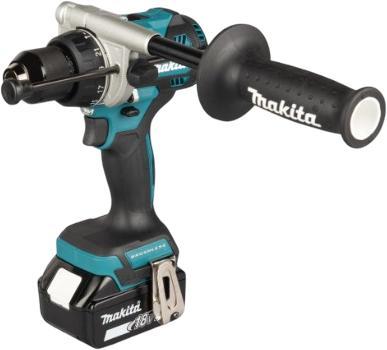
A cordless screwdriver may use a ¼-inch hex bit holder and is designed primarily for driving screws. A drill driver normally has a keyless drill chuck that accepts a range of screwdriver bits and drill bits. For general home DIY, a 10mm or 13mm keyless chuck is practical and makes bit changes quick.
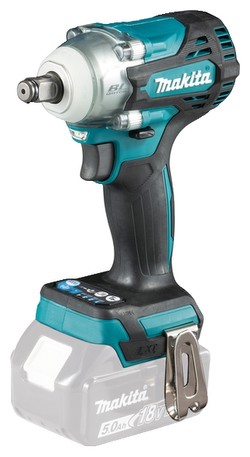
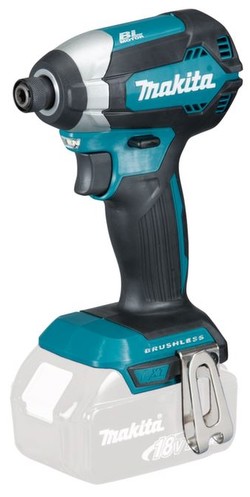
An impact driver is a different tool. It delivers rotational impacts to drive long screws and heavy-duty fixings with less wrist strain. It is excellent for structural screws, decking and repetitive fastening, but can be too aggressive for delicate jobs unless used carefully.
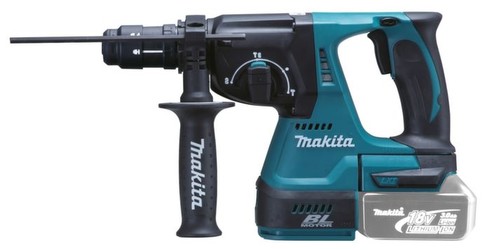
For drilling into brick or blockwork, choose a combi drill with a hammer-drill mode. A standard drill driver is suitable for wood, plastic and metal but will struggle with masonry. For extensive concrete drilling, an SDS drill is generally more appropriate.
Comfort, balance and build quality
Try to choose a tool that feels balanced in your hand, particularly if you will use it overhead or for extended periods. Compact 12V drill drivers are often a good compromise between power and manoeuvrability, while 18V models provide more capability for demanding tasks.
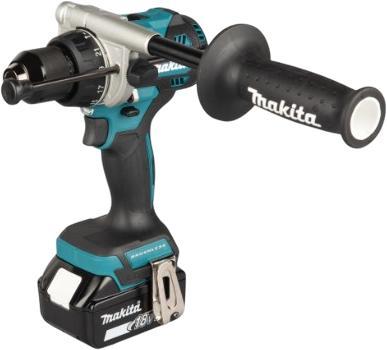
A pistol-grip design is standard for most drill drivers and gives good control when drilling. Small inline or pivoting screwdrivers can be more convenient in tight spaces, drawers and cupboards. Rubberised grips, a belt clip and a stable battery base are useful practical extras.
Cordless screwdriver buying checklist
- Choose a cordless screwdriver for light fastening or a cordless drill driver for drilling and screwdriving.
- For most regular DIY, consider a 12V or 18V Li-ion drill driver.
- Look for a variable-speed trigger, adjustable clutch and electronic brake.
- Choose a two-speed gearbox if you will drill as well as drive screws.
- Check the chuck size and whether bits are included.
- Match the battery platform to tools you already own where possible.
- Compare battery capacity, weight and charging time—not just the voltage.
- Buy a combi drill if you need to drill into brick or blockwork.
- Confirm whether the listed price includes batteries, charger and case.
- Use suitable drill bits, screws and PPE for the material and task.