




Buy sheet-fed scanners online at a low price: Consumer tips

The scanner is used to digitise documents such as images or texts. The document is scanned optically and the data is sent to the connected computer.
What types of scanners are there?
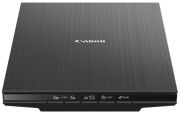
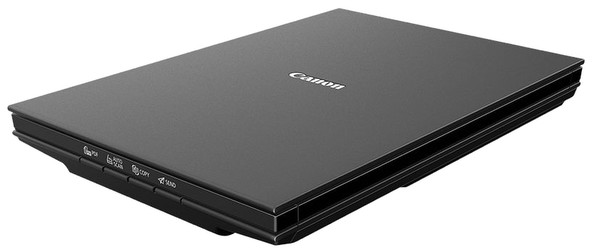
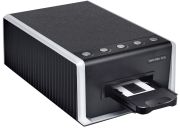
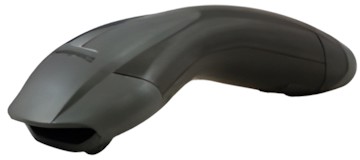
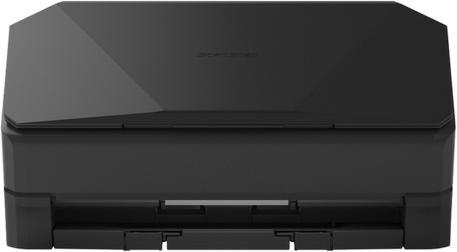
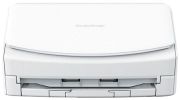
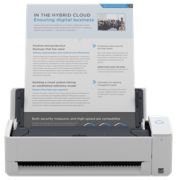
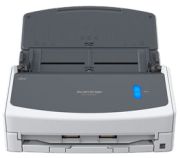
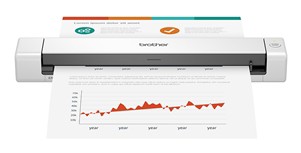
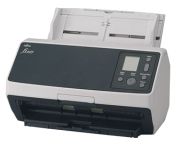
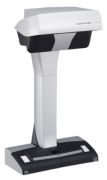
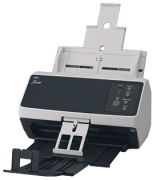
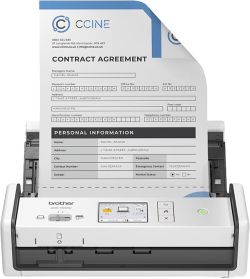
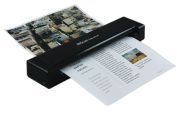
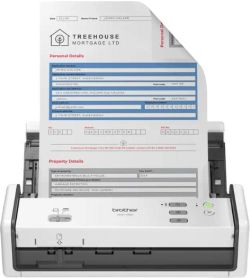
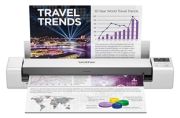
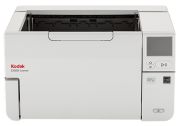
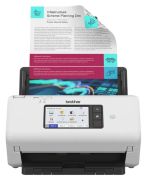
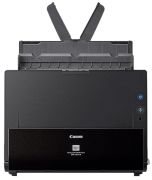
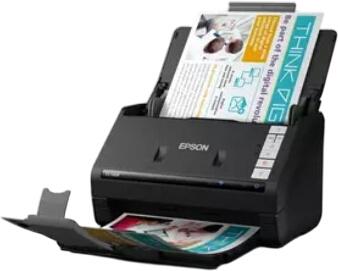
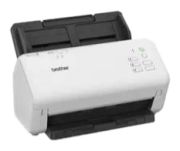
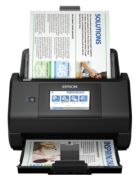
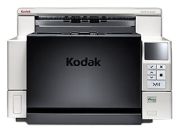
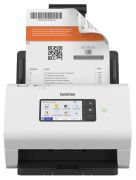
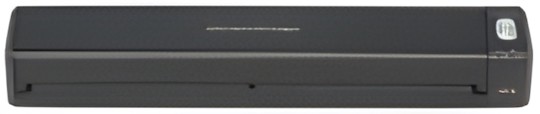
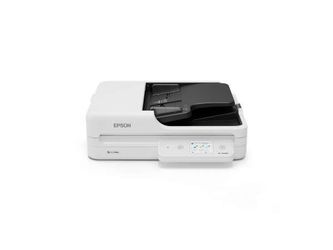
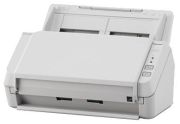
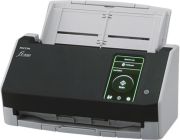
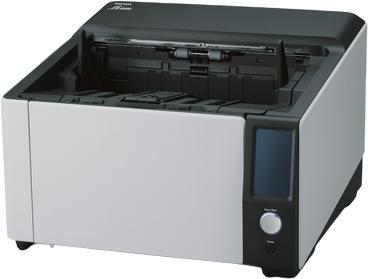
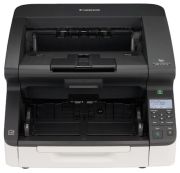
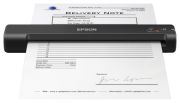
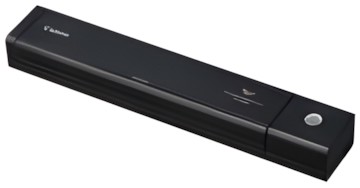
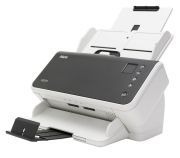
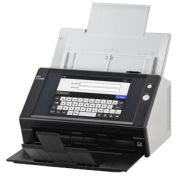
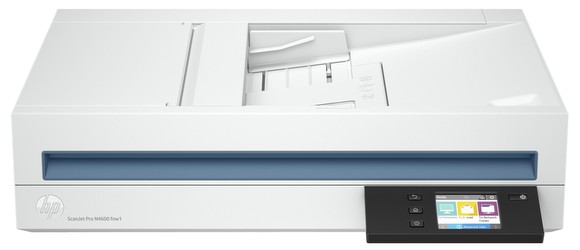
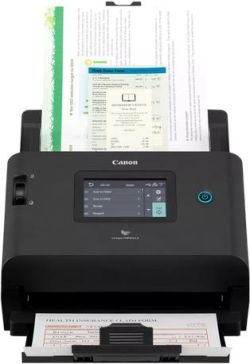
Any type of document can now be digitised, and there is the right scanner for every format. The most common models are sheet-fed, flatbed, film, slide, and barcode scanners. The sheet-fed scanner is comparable to a fax machine. Each sheet is fed in individually and digitised. Sheet-fed scanners have the advantage of being well-suited for bulk digitisation of papers and are relatively insensitive to shocks. However, the original must fit into the feed slot, and if the documents are inserted incorrectly, they may get crumpled. In contrast, a flatbed scanner places the document on a glass plate, covers it with an opaque lid, and illuminates it through the glass with a scanning unit. Flatbed scanners work very precisely, so the original must be placed very accurately on the plate. It is also possible to scan books or other bound documents with a flatbed scanner. Film and slide scanners are used to scan image media such as slides, films, or negatives. Due to the transparency of the documents, they can be digitised at a very high resolution. The resolution is measured in dpi (dots per inch) and is several thousand dpi for film and slide scanners. Barcode scanners can scan printed barcodes used for product identification.
What should be considered when purchasing?
Before purchasing, one should definitely consider which originals are to be digitised and which type of scanner is needed for that. Additionally, there are some important aspects to consider, such as colour depth, speed, optical resolution, scan area, optical character recognition software, and power supply. Colour depth is specified in bits. The more bits a scanner has, the more colour gradations it can distinguish. For standard tasks, 24 bits are sufficient, but most devices today standard at 48 bits. For sheet-fed scanners, speed plays a significant role, as these scanners are used for many papers. Speed is always given in pages per minute. However, it is true that high speed also comes at a high cost. The optical resolution indicates the detail accuracy at which images are scanned or printed. Nowadays, one should not work with less than 600 dpi. The scan area is specified either in millimetres or DIN formats and indicates the size of originals that can be processed in the scanner. Optical character recognition software can read the text image of the original and convert it into a classic Word document. However, the recognition programs do not work one hundred percent error-free, and the documents often need to be corrected afterwards. Some scanners come with such software, but if you rely on this program, it is worth spending a bit more money on the software. The power supply is also significant for scanners. Some models can be powered via USB cable from the PC, which means high mobility. However, many scanners are powered by an external power supply.