








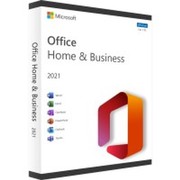










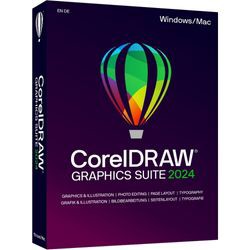
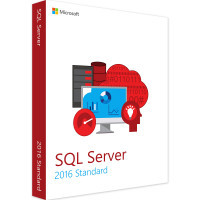
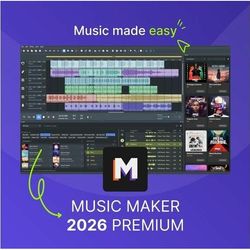
Newly Added Products






Software: Consumer tips
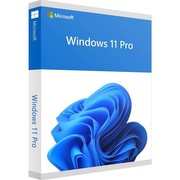
Operating systems come first
Every application depends on a compatible operating system. For most users, that means Windows, macOS or Linux. New laptops and desktops usually arrive with the operating system already installed, so the buying decision is more often about compatibility with the software you want to run rather than choosing the operating system separately.
If you are replacing or adding software, check whether it is available as:
- a direct download from the developer
- an app store install
- a browser-based service
- a subscription with ongoing updates
- a one-time licence for a fixed version
This matters because the software market is much more mixed than it used to be. Many office, design and business tools now combine local apps with cloud features, account logins and automatic updates.
Office, finance and everyday productivity software
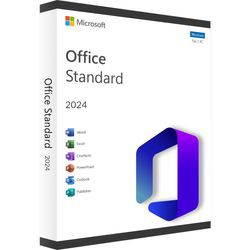
Office software remains one of the most common purchases for home users, students and small businesses. Word processing, spreadsheets, presentations, note-taking and PDF tools are still essential, but buyers now often compare collaboration features, cloud storage and mobile access as much as the core apps themselves.
If you are self-employed, a landlord or running a small company, compatibility with HMRC matters. HMRC says that from 6 April 2026, some sole traders and landlords must use compatible software for Making Tax Digital for Income Tax. HMRC also publishes lists of commercial software suppliers for Self Assessment and other filing needs, but does not endorse one specific product over another.
That means buyers should look for software that clearly states support for:
- HMRC Self Assessment submissions
- Making Tax Digital for Income Tax where applicable
- VAT-compatible workflows if relevant to the business
- Payroll support if employing staff
- clear VAT-inclusive pricing where shown to consumers
If you are choosing tax or accounting software, it is sensible to check HMRC compatibility first rather than relying only on retailer descriptions or marketing claims. HMRC’s software lists are regularly updated and are a practical starting point for UK buyers.
Security software: what matters
You do not always need to buy a separate security suite straight away. Modern operating systems already include substantial built-in protection. Microsoft provides Windows Security and Microsoft Defender Antivirus as integrated protections within Windows, while Apple includes built-in technologies in macOS such as Gatekeeper and XProtect.
If you are considering extra paid security software, focus on the feature set rather than an old brand recommendation. Look for:
- real-time malware protection
- ransomware safeguards
- phishing and web protection
- privacy tools where useful
- multi-device cover for Windows, macOS and mobile
- a clear renewal price after any introductory offer
A separate paid suite can still be worthwhile for families, multi-device households or users who want additional controls and support, but it should be chosen on current features, independent testing and price transparency rather than on outdated product names.
Creative, technical and educational software
Creative software is no longer limited to professionals. Many people now edit photos, produce videos, record podcasts, design social content or create digital artwork at home. The main difference between entry-level and professional software is not only capability, but also workflow: collaboration, file compatibility, cloud syncing, plug-ins and export options all matter.
Typical categories include:
- photo editing and image management
- video editing and motion graphics
- music production and audio editing
- design and illustration tools
- CAD and technical design software
- learning software and revision platforms
- programming tools and development environments
Students, freelancers and hobbyists often benefit from checking whether there is a lower-cost education plan, a free tier or a trial version before committing. That is especially useful with design, coding and specialist business tools, where the learning curve can be steep.
Installation is usually easier now, but compatibility still matters
Software installation is generally much simpler than it used to be. Many applications are installed through a guided download, an app store, or a web account that activates the licence automatically. Some tools barely feel “installed” at all because most of the work happens in the browser.
Even so, compatibility checks are still essential. Before purchasing, confirm:
- your operating system version
- processor type and performance requirements
- available memory and storage
- whether the software runs natively on your device
- whether it requires a constant internet connection
- whether key features are locked behind a subscription tier
This is especially important with creative software, games, CAD tools and professional applications, where minimum requirements may only guarantee that the software opens, not that it runs well.
Tips when buying software
Before you buy, make sure the software suits both your device and the way you plan to use it. A cheaper option can be poor value if it lacks updates, has restrictive licensing or does not support the workflows you actually need.
Keep these points in mind:
- Check whether the software supports Windows, macOS or Linux as needed
- Prefer software with active support and regular updates
- Compare one-off licences with subscription pricing carefully
- Check whether prices shown to UK consumers include VAT
- Review the system requirements before paying
- Confirm whether the licence covers one device or multiple devices
- For tax and accounting tools, verify HMRC compatibility first
- Use official developer stores or trusted retailers to avoid invalid licence keys