



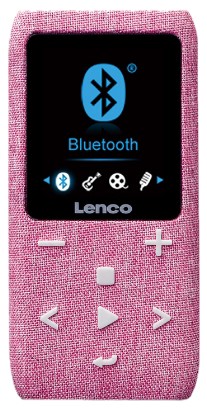


Newly Added Products
MP3 Players: Consumer tips
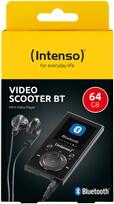
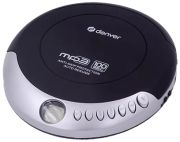
More than just an MP3 player
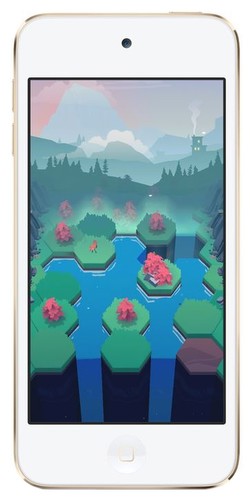
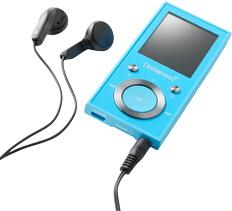
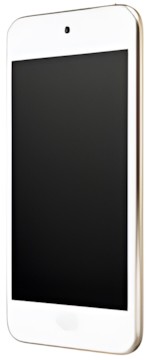
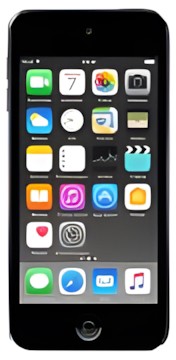
Today’s portable players are designed for more than basic music playback. Depending on the model, you may get Wi-Fi for streaming apps, Bluetooth for wireless headphones and speakers, USB-C charging, touchscreen controls and support for high-resolution audio. Some models also include a 3.5mm headphone jack, which remains a major selling point for buyers who prefer wired headphones or want to avoid carrying adapters.
When comparing models, it helps to focus on everyday use rather than technical jargon. Look at how you actually listen: streaming, offline playlists, lossless files, podcasts, audiobooks or a mix of everything. A good portable player should feel quick to navigate, easy to use on the move and comfortable to carry every day.
Audio player or smartphone?
A dedicated audio player can still make more sense than using your phone. The main benefit is focus: your music, podcasts or downloaded playlists are always available without calls, notifications or battery drain from other apps. Portable players are also popular with runners, gym users and travellers who want a lighter device in their pocket or bag.
If you mainly stream casually and already use wireless earbuds all day, your phone may be enough. If you value battery life, expandable storage or better support for wired and high-resolution listening, a separate player is worth considering.
How much storage space do I need?
Storage expectations are much higher than they used to be. Entry-level devices may still suit light listening, but most buyers are now better served by 32GB or 64GB as a practical starting point, especially if they download albums, podcasts or playlists for offline use. Premium players offer much more built-in storage, and some support microSD cards for expanding your library further.
Storage needs depend heavily on file quality. Compressed music takes up less space, while lossless and high-resolution files use far more. Videos, album artwork, podcasts and offline streaming downloads also add up quickly. That means there is no single reliable song-per-gigabyte rule. Instead of estimating by track count, it is better to choose storage based on your listening habits and leave room for future downloads.
A simple guide can help:
- 32GB: suitable for podcasts, casual playlists and moderate offline listening
- 64GB: a strong all-round choice for regular music use and larger downloaded libraries
- 128GB or more: best for lossless audio, high-resolution files or users who want to carry a large collection offline
- microSD expansion: worth prioritising if you expect your library to grow over time
Display, format and battery: what matters most
Display quality still matters, but headline resolution is no longer the best measure on its own. A good portable player should have a clear, responsive screen that is easy to use outdoors and simple to navigate while travelling or exercising. Many buyers will benefit more from a smooth interface, physical playback buttons and reliable app performance than from an ultra-sharp display specification.
File format support is still relevant, but only to a point. Most shoppers mainly need reliable playback for common formats and streaming services rather than legacy codec support. Compatibility with MP3, AAC, FLAC, WAV and mainstream streaming apps will cover most needs.
Battery life remains one of the biggest reasons to choose a portable media player. Some current models still advertise long playback times for locally stored music, and wireless use or streaming will normally reduce runtime. If you listen on long commutes, flights or weekend trips, battery performance can make a real difference. Charging via USB-C is now the most convenient option and is worth prioritising over older connection types.
Accessories for portable audio players
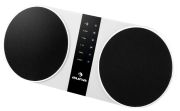
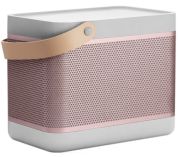
Accessories can improve the experience, but they should be chosen carefully. The most useful add-ons are usually protective cases, screen protectors, wired earphones, Bluetooth headphones and compact portable speakers. If you want to play music outdoors, a small Bluetooth speaker is usually the clearest and most flexible option. Before buying any accessory, check that it matches the player’s connections and wireless features.
Useful accessories to consider include:
- Wired headphones or earphones if sound quality and zero-latency playback matter
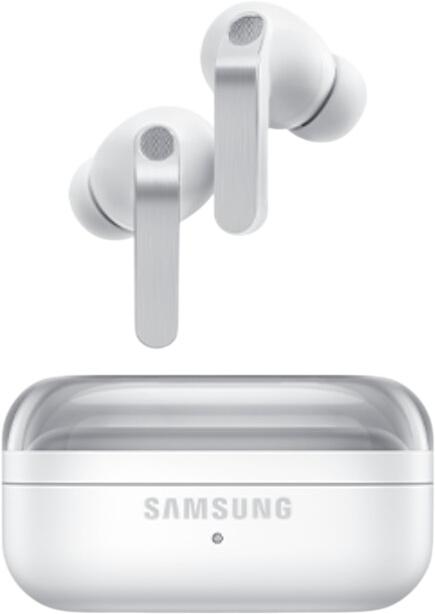
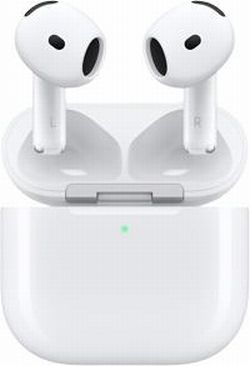
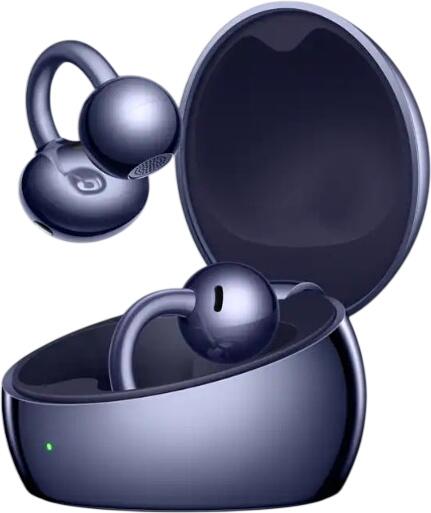
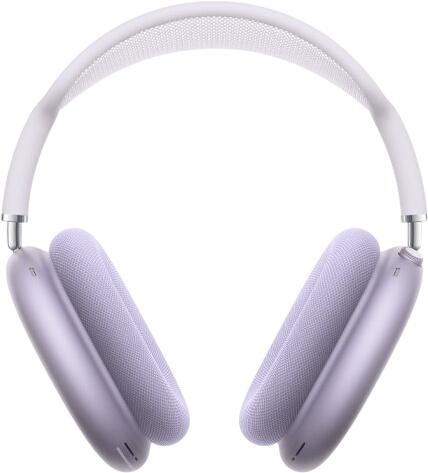
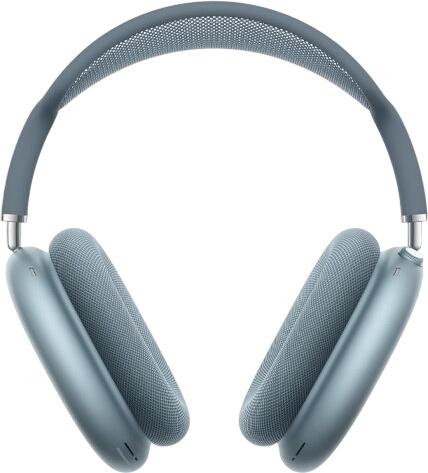
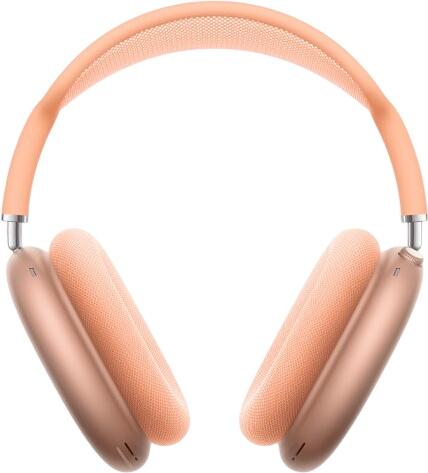
- Bluetooth headphones for cable-free commuting and workouts
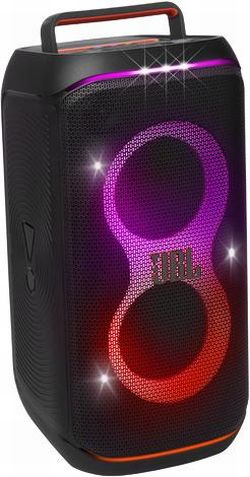
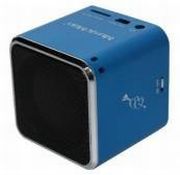
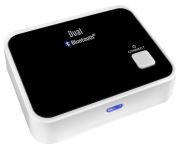
- Portable Bluetooth speakers for travel, gardens or picnics
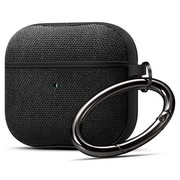
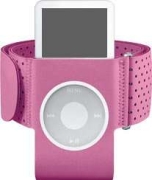
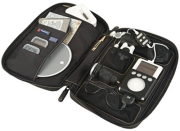
- Protective cases to keep the player safe in a bag or pocket
- microSD cards if the device supports expandable storage
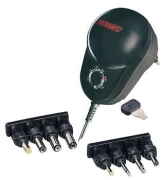
- USB-C charging cables and compact chargers for easier top-ups on the go