







Garden Pump: Consumer Tips
Suction pump, submersible pump or domestic waterworks – Which system is right for me?
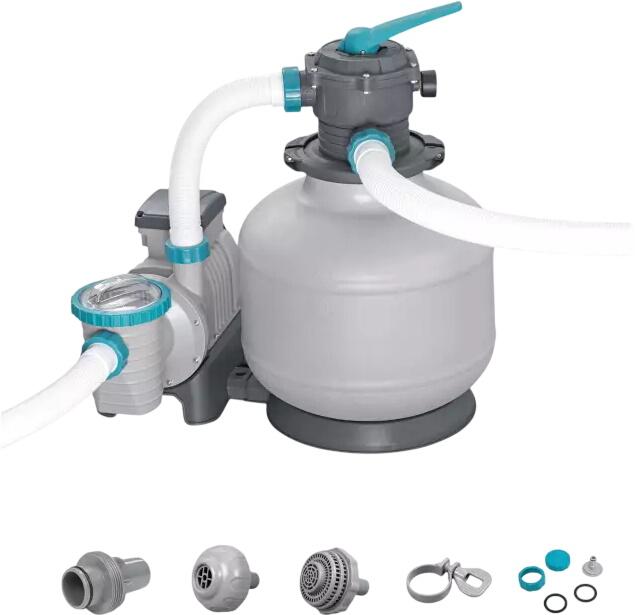
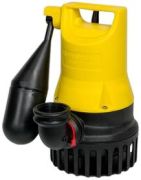
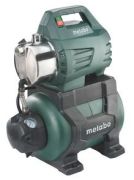
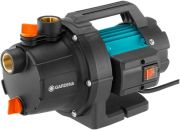
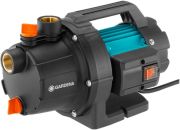
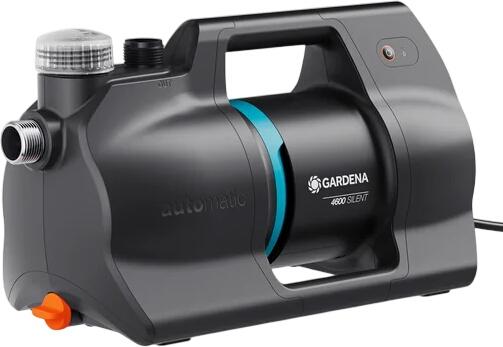
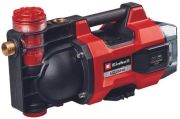
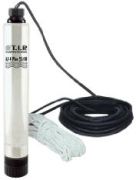
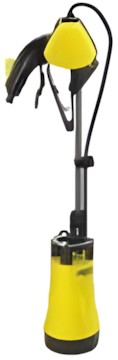
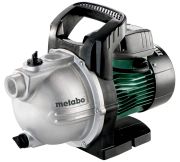
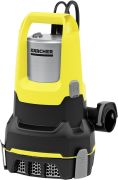
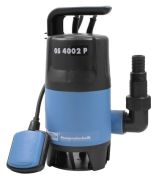
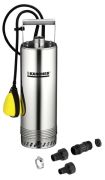
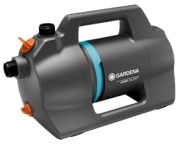
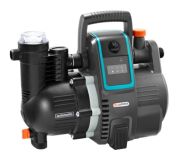
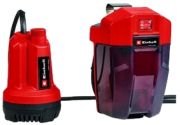
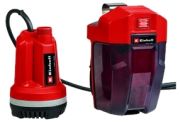
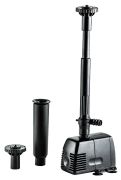
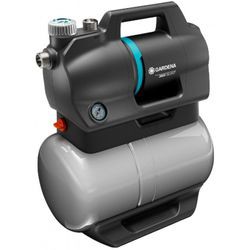
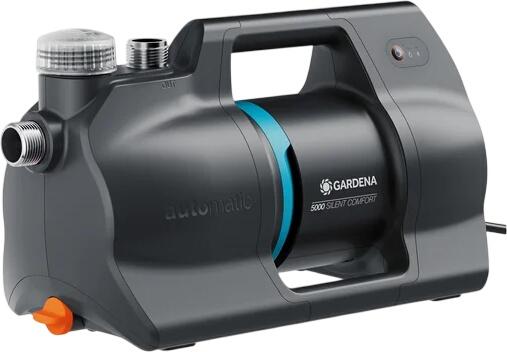
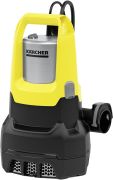
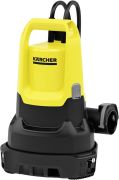
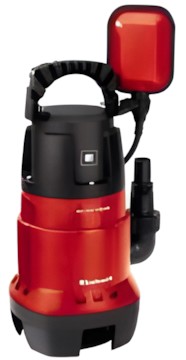
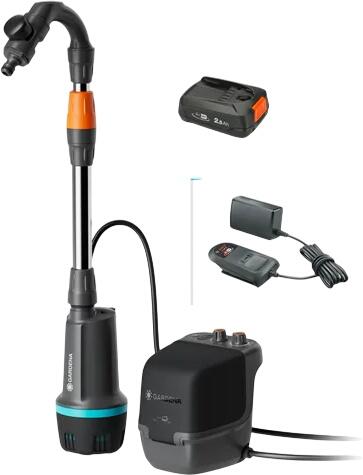
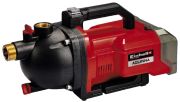
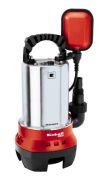
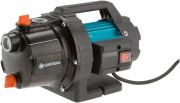
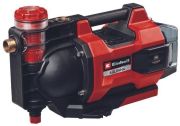
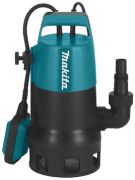
Surface pumps or suction pumps are the classic solution for garden irrigation and are installed above ground, while they draw water from the source through a suction line. They are ideal for wells, cisterns or rainwater barrels with a maximum suction height of 7-8 metres and offer a delivery rate between 2,000 and 6,000 litres per hour. These pumps are easy to install, maintenance-friendly, and can be used mobile. However, they require a frost-free storage space and may reach their limits at lower water levels or greater distances. Submersible pumps are placed directly in the water source and can be used at significantly greater depths, as they must push the water rather than suck it. They are particularly efficient for deep wells, cisterns, or for cellar water removal and operate more quietly, as the motor is cooled underwater. The downside is the more difficult maintenance and the need for waterproof wiring. Domestic waterworks combine a suction pump with a pressure tank and automatic control, providing constant water pressure and starting automatically whenever a tap is opened. They are suitable for complete domestic water supply or extensive irrigation systems, but they are also the most expensive and complex solution. Pressure switches and membrane tanks ensure consistent water pressure and reduce the frequency of pump switching, which increases its lifespan.
What delivery rate and delivery height do I need?
The correct sizing of a garden pump requires calculating the delivery volume and delivery height. The delivery volume is specified in litres per hour or cubic metres per hour and should match the maximum water demand. For irrigating a medium-sized garden with sprinklers, 2,000-3,000 litres per hour is sufficient, while large lawns or multiple simultaneously operated irrigation circuits may require up to 6,000 litres or more. A simple garden hose requires about 1,000-1,500 litres per hour, while a sprinkler, depending on its size, requires 1,500-4,000 litres per hour. The delivery height consists of the geodetic height (the height difference between the water surface and the highest irrigation point), the length of the piping, and the required operating pressure. As a rule of thumb: 10 metres of pipe length corresponds to about 1 metre of delivery height; pipe bends and valves cause additional losses. For sprinkler systems, 2-4 bar of operating pressure is required, which corresponds to about 20-40 metres of delivery height. It is important to consider the pump's characteristic curve: as the delivery height increases, the delivery volume decreases significantly. A pump with a maximum delivery volume of 4,000 litres at 0 metres height may only deliver 2,000 litres at 30 metres of delivery height. Oversizing is actually more economical than undersizing, as a pump that is too weak operates permanently at its performance limit and wears out faster.
What water sources can be used with garden pumps?
Rainwater collections such as barrels, IBC containers, or cisterns are the most environmentally friendly option and provide soft, lime-free water that is particularly gentle on plants. Simple suction pumps are sufficient for above-ground containers, while underground cisterns require submersible pumps depending on their depth. It is important to have a coarse filter on the suction hose to retain leaves and coarse dirt. Wells offer the most abundant water source but require different pumping systems depending on depth and yield. Shaft wells up to 7-8 metres deep can be managed with suction pumps, while deeper wells require submersible pumps. For newly drilled wells, the planned type of pump should be considered during drilling. Natural bodies of water such as ponds, streams, or lakes can be used, subject to local water rights, but usually require a permit and special filtration. The water often contains suspended particles, algae, or small organisms that can clog the pump and irrigation system. Swimming pool or pool water can be used for irrigation after the bathing season, but chlorinated water should be neutralised first. Grey water from washing machines or showers can be used with special pumps, but usually requires treatment and is not permitted everywhere.
How is a garden pump properly installed and connected?
The installation site should be chosen as close as possible to the water source and the area of use to minimise the length of the pipes. A solid, level surface reduces vibrations and noise, and a covered or enclosed area protects the pump from weather influences. The suction line should be as short as possible and laid with as few bends as possible, as each pipe bend increases flow resistance. A diameter of at least 1 inch (25mm) is required for most applications, and larger for longer distances or higher performance. At the end of the suction line, a suction basket or foot valve must be installed to prevent the line from emptying when the pump stops and to retain coarse dirt. The pressure line can be sized smaller but should also be sufficiently large to avoid pressure losses. All connections must be absolutely tight, as even small leaks can dramatically reduce suction power. A pressure gauge in the pressure line system allows monitoring of the operating pressure, and problems can be detected in time. The electrical installation must comply with VDE regulations and should be protected by a residual current device (RCD), especially when installed outdoors or in damp rooms.
How maintenance-intensive are garden pumps and what should be considered?
Garden pumps are generally low-maintenance devices but still require checks to function reliably and achieve their full lifespan. The most important maintenance measure is the regular cleaning of the suction basket or filter, which should be cleaned weekly to monthly depending on water quality. Clogged filters not only reduce pump performance but can also lead to dry running and motor damage. The pump itself should be filled with water before the first operation and after longer periods of inactivity, as dry operation can damage the impeller and seals. In harder water, limescale deposits can impair pump performance – occasional rinsing with vinegar water or special descalers can help. Many pumps have an automatic dry run protection, which should be regularly checked for functionality. Winter preparation is crucial: in frost-prone areas, the pump and all pipes must be completely drained, as freezing water residues can cause irreparable damage. Frost-resistant installation or disassembling and storing the pump in a frost-free environment are the safest options.
What types of garden pumps are there?
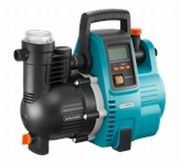
Mainly, there are submersible pumps, centrifugal pumps, and domestic waterworks. Submersible pumps are placed in the water, while centrifugal pumps are located outside and pump water using rotating blades.
Can I use a garden pump for rainwater?
Yes, many garden pumps are suitable for pumping rainwater, helping to save drinking water. Look for a pump designed for clean or slightly contaminated water.
How much electricity does a garden pump consume?
The consumption depends on the power of the pump and ranges from 300 to 1500 watts. For occasional use, garden pumps are sufficiently energy-efficient.
Can I leave my garden pump outside in winter?
It is recommended to store the pump frost-free in winter, as frost can cause damage to the motor and housing. However, some models are weather-resistant and can effectively winter outside.