





















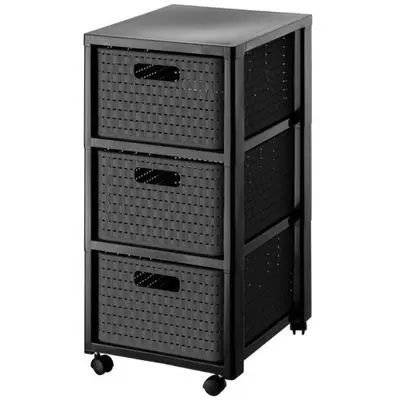
Furniture: Consumer tips

Furniture plays a significant role in the atmosphere and style of a room. From classic to Scandinavian to industrial or boho – furniture comes in a variety of styles. The Scandinavian style, for example, impresses with light wooden furniture, clean lines, and natural materials that create a calming, friendly room effect. For those who prefer a more rustic look, the industrial style features visible metal parts, rough surfaces, and dark colours. In the boho style, colourful textiles, playful patterns, and an unconventional mix of shapes dominate, radiating liveliness. A mix of different styles can also be interesting and gives the room a personal touch.
Quality: What to look for?
A key quality feature of furniture is the craftsmanship: clean seams, precise gluing, and stable screws indicate a high-quality piece of furniture. The material used also makes a big difference. Solid wood is considered particularly durable, while veneered or coated surfaces may be cheaper but more susceptible to damage. Carefully processed edges, even surfaces, and robust fittings are further indicators of good craftsmanship from manufacturers. Last but not least, weight can sometimes say more about quality than one might think: heavy furniture has more stable base materials and is therefore more robust. A look at manufacturer or product certifications provides clues to verified quality. Furthermore, a reliable customer service becomes relevant when it comes to complaints or spare parts deliveries. Those who inform themselves well in advance and research the craftsmanship thoroughly increase their enjoyment of the new furnishings.
Material Selection
The choice of materials in furniture is crucial for their durability and appearance. In wooden furniture, a distinction is made between solid wood, which impresses with its naturalness, durability, and repairability, and cheaper wood materials like MDF or particle board, which offer good shape stability. Wood is generally one of the most popular materials and is available in numerous variations from oak to beech, with veneered furniture also representing an aesthetically pleasing and more affordable alternative to solid wood. Commonly used woods include:
- Oak is characterised by its distinctive grain and exceptional hardness, making it particularly robust and durable. The warm, golden-brown hue gives the furniture a timeless elegance and develops a beautiful patina over the years.
- Beech has a light, slightly reddish colour and a fine, even texture. Beech wood is hard and very resilient, which is why it is often used for heavily used furniture like tables and chairs.
- Pine is a soft coniferous wood with characteristic knots and a clearly visible grain. The light wood is relatively inexpensive and easy to work with, but it tends to scratch and dent easily.
- Walnut is one of the most noble furniture woods and is distinguished by its dark brown tone. The high-quality wood is medium-heavy, very stable, and can be processed excellently.
- Birch wood has a light colour and a fine, even texture. It is relatively hard, yet light and easy to work with, making it particularly suitable for modern, Scandinavian-inspired furniture pieces.
In upholstered furniture such as sofas, various upholstery materials are used: leather impresses with its durability, timeless elegance, and easy cleaning, while modern synthetic fibres are easier to care for and cheaper. The substructure should be made of sturdy hardwood, while the upholstery combines various foam materials. Glass is often used for modern furniture, especially for tables and display cabinets, and conveys a light spatial feeling. In metal furniture, stability and rust protection are crucial - stainless steel or powder-coated steel are ideal, as they impress with durability and a cool, contemporary look. Plastics are also playing an increasingly important role, as they are easy to care for and available in almost any desired colour, with polypropylene being particularly suitable for garden furniture due to its durability and weather resistance. Sustainable furniture made from recycled materials or FSC-certified wood is also increasingly in demand.
Types of Furniture
Living Room Furniture
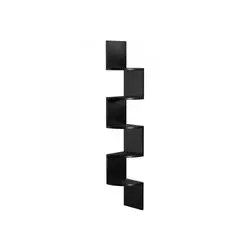
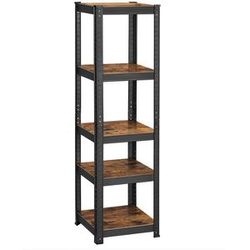
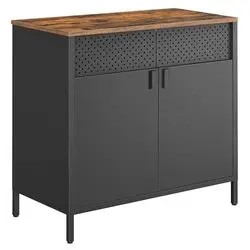
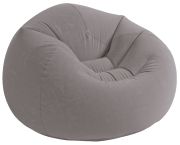
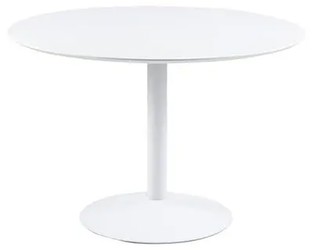
The living room is the heart of the home, where one wants to relax after work or host guests, and therefore deserves special attention. Sofas and armchairs must be comfortable and durable, while being timeless in design and still making a statement. They are available in various materials such as leather, fabric (cotton, wool, synthetic) or faux leather. Coffee tables, TV furniture, and shelving systems complement the seating and provide not only storage space but also practical surfaces. Modern living walls combine several functions and can be individually assembled.
Bedroom Furniture
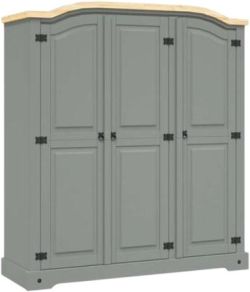
A good sleep requires the right environment. The trend clearly leans towards the box spring bed – it promises high sleeping comfort and looks elegant. For wardrobes, one can choose between classic hinged doors or space-saving sliding doors. Bedside tables, dressers, and mirrors complete the bedroom furnishings.
Kitchen Furniture
Today's kitchen is no longer just a cooking area but a living space and requires sturdy kitchen furniture. Robust base cabinets and cleverly planned wall cabinets create order in everyday life. A high-quality worktop does not have to be made of wood - granite or stainless steel not only look good but also withstand a lot. The centrepiece of many modern kitchens is the kitchen island, as this is where cooking, eating, and living take place.
Bathroom Furniture
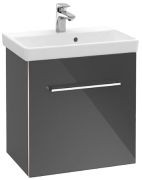
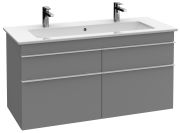
Modern bathrooms need well-thought-out furniture that can withstand moisture and is easy to clean. Stylish washbasins, bathroom cabinets, mirror cabinets, as well as smart solutions for more storage space make the bathroom a feel-good place. The trend is towards floating furniture – they not only look cool but also make cleaning easier.
Office Furniture
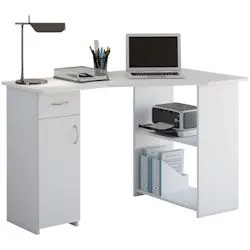
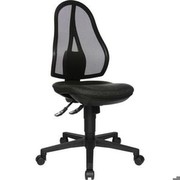
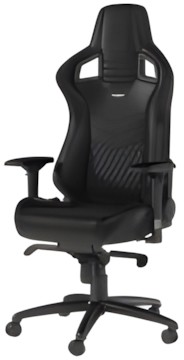
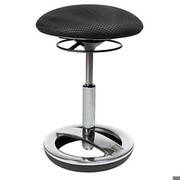
Since COVID-19, home office has become firmly established for many. An ergonomic desk and a back-friendly office chair are essential for productive work. Practical shelves and mobile pedestals keep important documents within reach and provide access. Height-adjustable desks are particularly popular – they bring movement into the workday and are easier on the back.
Buying furniture online?
Buying furniture online is the convenient way to acquire a new comfortable couch today. The vast product variety and the ability to easily compare prices via guenstiger.de are important advantages and help save compared to traditional retail. However, alongside numerous benefits, it also requires special care in selection. Detailed product descriptions, high-resolution images, and 360-degree views significantly aid in assessment. One should pay particular attention to the measurements and material descriptions, as direct inspection like in a store is not possible. Some online retailers also offer virtual consultations or augmented reality features for better visualisation. Delivery conditions, return options, and shipping costs are further important points that should not be overlooked - often, longer delivery times must be factored in. Major online retailers offer transparent terms and conditions, various payment options (e.g., convenient instalment payments), and reliable customer service. For larger pieces of furniture, access routes to the home should be checked in advance to avoid unpleasant surprises during delivery.