


Trekking Bike: Selection guide and buying advice

Trekking bikes are ideal for riders who want to travel on both roads and unpaved paths. To find the right trekking bike, it is important to consider the various frame materials, gear systems, tyres, brakes, and other crucial features. Below are some key factors explained that can help in the search for the ideal trekking bike.
What is a trekking bike?
A trekking bike is a versatile bicycle, ideal for daily use in the city and for longer tours that may also be on unpaved terrain. The combination of comfort, performance, and robustness makes it the perfect companion for different requirements. The frame geometry allows for a relaxed seating position, which provides more comfort on long rides. The frame is usually made of lightweight aluminium or steel, while wide, well-profiled tyres (32-42 mm) ensure stability on various surfaces. Trekking bikes come with various gear systems with a sufficient number of gears to tackle even steep inclines. Hydraulic disc brakes or rim brakes provide effective braking performance in all weather conditions. Fenders, luggage racks, and lighting are usually part of the standard equipment, and additional mounting points allow for the installation of extra accessories. This makes the trekking bike an excellent choice for anyone looking for a versatile and reliable bicycle.
What equipment do trekking bikes have?
A trekking bike is a universally usable bicycle for long rides on paved roads and in light terrain with luggage. It combines features and equipment characteristics from racing bikes, mountain bikes, and city bikes to create a versatile bicycle. Trekking bikes are typically equipped with reflectors, lighting, and a bell. They comply with the StVZO, making them well-prepared for participation in road traffic. Below are some typical features of a trekking bike.
- A front suspension fork absorbs bumps and shocks, increasing riding comfort on rough terrain. A modern suspension fork can be locked, allowing for better power transfer on paved roads. Those who prefer a rigid fork experience the least power loss but also less comfort.
- A suspension seat post provides additional relief and cushioning for the back and buttocks off the road. The spring element of the seat post can be adjusted to the rider's weight. The spring travel can also be individually adjusted.
- In most cases, a gear system features a derailleur system from Shimano or SRAM, as these offer advantages in hilly terrain. With up to 30 gears, a very fine gradation of the gear ratio and optimal power transfer is possible. To ensure the gear system functions optimally, it should be regularly adjusted and maintained. Low-maintenance hub gears are also used, but they are only sensible if many routes are taken on flat terrain.
- The tyres are usually 28" tyres with a pronounced tread for optimal grip on gravel paths. They allow for use on any surface and are more versatile than treadless tyres. Despite their loud rolling noise, they are the best choice for long tours.
- As a braking system, mechanical and hydraulic rim brakes as well as hydraulic disc brakes are used. In most cases, a rim brake is sufficient, but disc brakes offer better braking performance on steep descents.
- The saddle of a trekking bike is primarily designed for comfort and aims to protect the rider from saddle pain on long tours. In sportier models, the saddle is slightly narrower and harder, which may require some adjustment. A good pair of cycling shorts with padding provides additional protection and allows for comfortable long-distance riding.
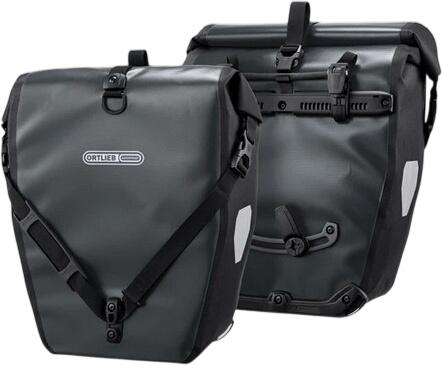
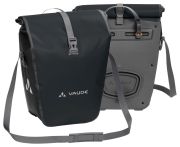
- A luggage rack is part of the standard equipment of a trekking bike and allows for the mounting of bicycle bags for transporting extra gear, change of clothes, or provisions. Additional bags can be attached to the saddle, handlebars, or fork.
- The lighting on a high-quality trekking bike is powered by a hub dynamo built into the wheel, which generates electricity for the bicycle lighting from the rider's pedalling power. LED lamps are energy-efficient and very bright.
What frame material is used for the trekking bike?
The frame of a trekking bike is typically designed for an upright seating position, providing high riding comfort. The most commonly used frame material is aluminium. It is lightweight, very torsionally rigid, and cost-effective to produce. The downside of an aluminium frame is that it absorbs vibrations less effectively, leading to a harsher riding feel. Classic bicycle frames made of steel offer more damping and good durability, but at a higher weight. They absorb vibrations well and can last for decades with proper care. Since a steel frame can corrode, it should not be exposed to moisture for too long, and the bicycle should be stored in a dry place. Those who desire an especially lightweight frame should opt for a frame made of carbon. Although these are less commonly used in trekking bikes, they offer high stiffness at low weight and good damping. However, they are more susceptible to damage in falls and accidents, and invisible hairline cracks can quickly develop, rendering the frame unusable. Regardless of the material, many accessories such as bottle holders or folding locks can be attached to the bicycle frame.
What is the difference between low-step, trapeze, and diamond frames?
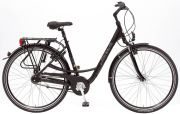
- Low-step frames, also known as Easy Entry or Wave frames, have a particularly low step-through as the top tube is lowered or absent. This frame shape allows for easy mounting and dismounting, even with physical limitations or when wearing skirts. Comfort is the priority here, and the stability and rigidity of the frame may be somewhat lower compared to other frame shapes.
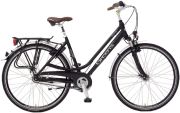
- Trapeze frames are a mix of low-step and diamond frames. Here, the top tube is slightly lowered, but not as much as in a low-step frame. This allows for easier mounting than in a diamond frame while providing more stability and rigidity than a low-step frame.
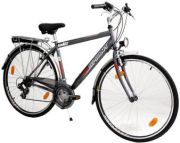
- Diamond frames are also referred to as classic men's frames. They are characterised by a straight, sloping top tube that runs from the head tube to the seat tube. This frame shape offers high stability and rigidity and is well-suited for sporty riders. However, the step-through is less comfortable than in low-step or trapeze frames.
Derailleur vs hub gear - which is better?
When choosing the right gear system for a trekking bike, there are essentially two options: derailleur and hub gear. Which one you choose depends on the terrain you mainly ride on. The derailleur system offers a large number of gears that allow for optimal cadence for various types of terrain and inclines. It also enables precise and quick gear changes, enhancing riding comfort. However, derailleur systems are more susceptible to dirt and wear, so they need to be regularly maintained to ensure optimal performance. If you do not ride much in hilly terrain and prefer a low-maintenance gear system, you can opt for a hub gear. While it offers fewer gears, it is completely sufficient for longer tours in predominantly flat terrain. Its major advantage is low wear and low susceptibility to dirt. Additionally, it allows for a back-pedalling brake and the use of a belt drive. The belt drive is maintenance-free and very quiet while riding. Even though the initial costs are higher, this option should definitely be considered.