










Remotes: Consumer tips
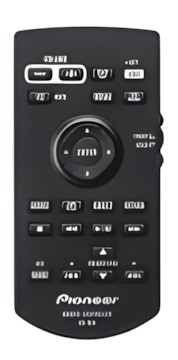
The receiver of the device to be controlled consists of a silicon photodiode, an amplifier, and a demodulator, and is built behind an opaque blocking filter. Typically, remotes have a range of between five and 20 metres. They are powered by batteries or rechargeable batteries. New models are sometimes powered by a charging station instead.
What can remotes do?
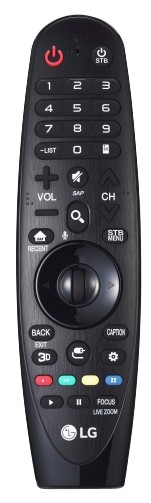
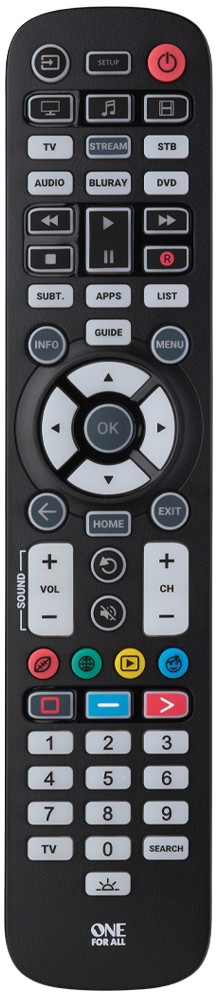
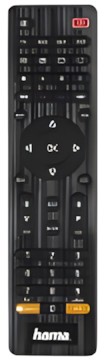
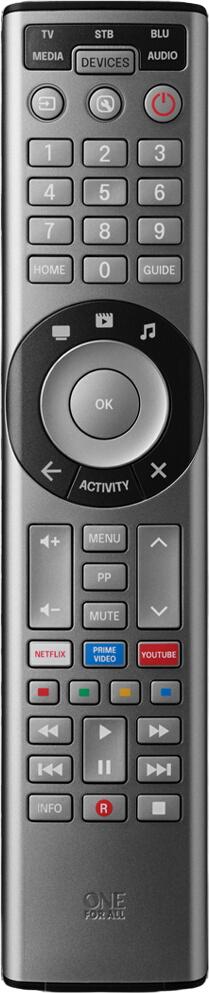
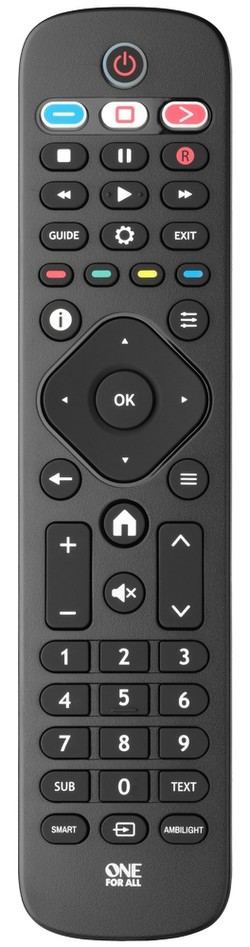
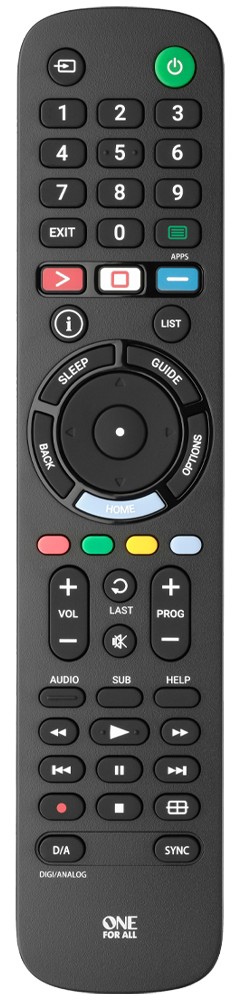
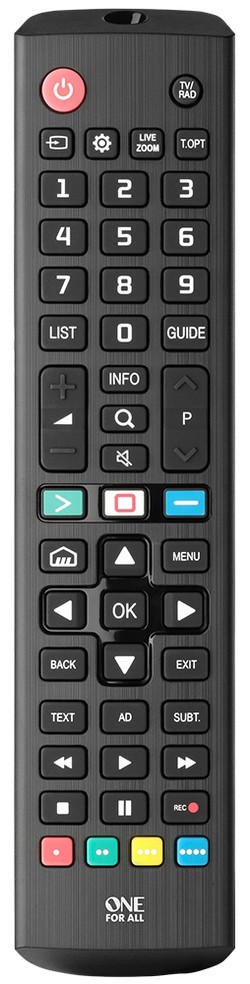
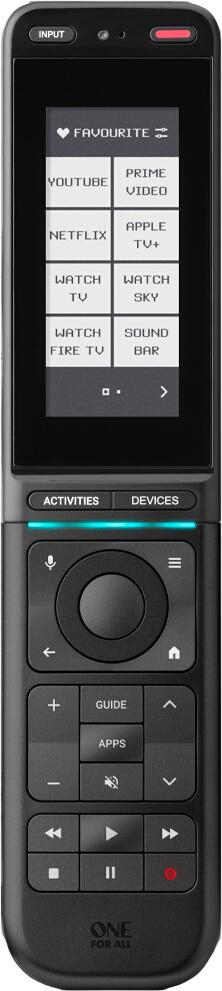
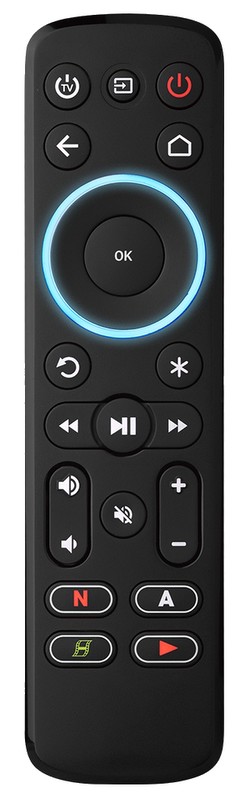
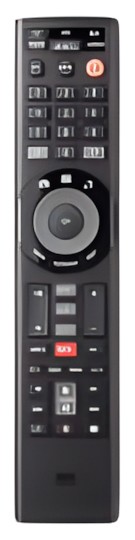
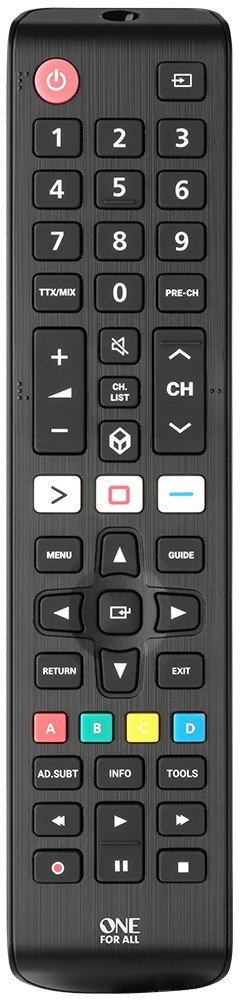
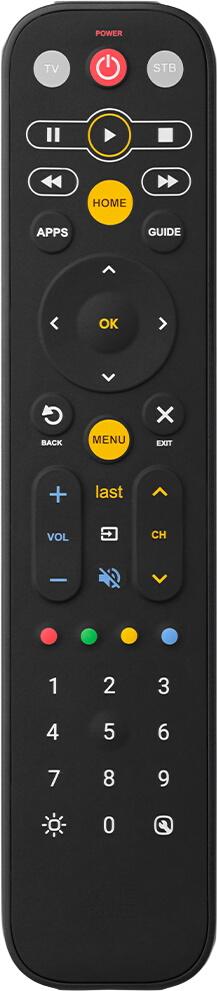
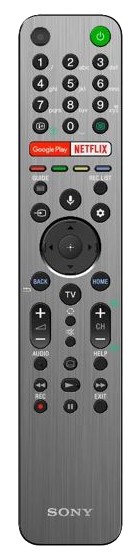
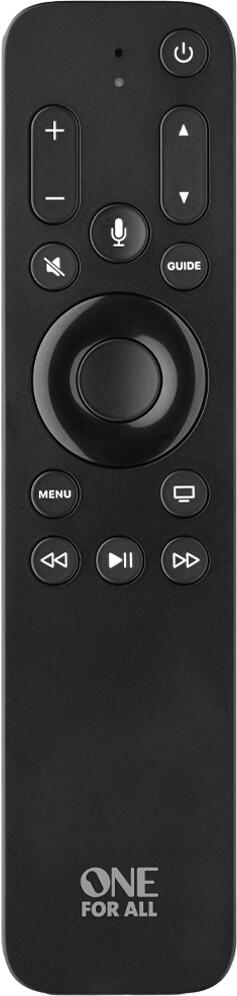
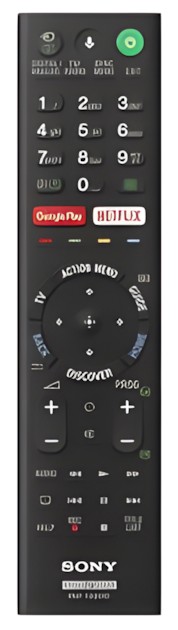
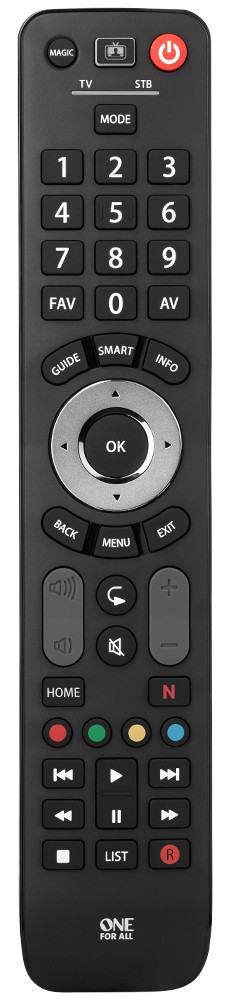
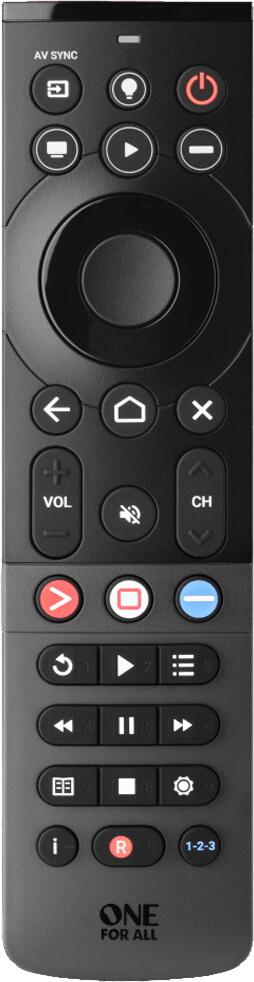
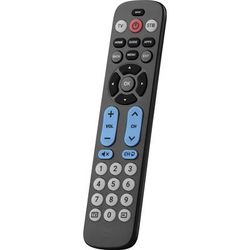
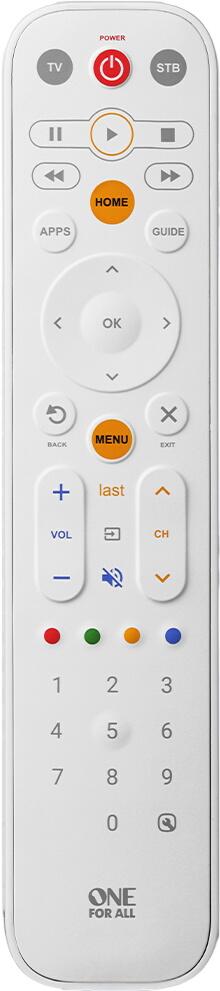
In addition to remotes that are specifically designed to operate a single device, there are also so-called universal remotes that can be programmed for one or more devices but are not limited to specific products. There are remotes that can even operate up to 16 different devices. Among universal remotes, there are models that are intended only for controlling basic functions such as volume, channel selection, or channel scanning. More technically advanced variants even have displays to make the range of functions clearer. They can perform many special functions and often have freely programmable buttons, making them learnable. Remotes that are exclusively learnable have the disadvantage that each function must be programmed manually. This is alleviated by the currently common universal remotes that can be programmed for the devices to be controlled. Manufacturer-specific numeric codes are provided for programming, simplifying the basic configuration of the remotes. For high-tech variants, voice recognition or a convenient touchscreen is also available for programming. A very comprehensive feature set also includes a fingerprint scanner that saves user-defined settings via biometrics. The advantage of universal remotes lies particularly in the fact that a separate remote is no longer needed for each individual device in the living room, as well as in their individual programmability.
What should be considered when buying a remote?
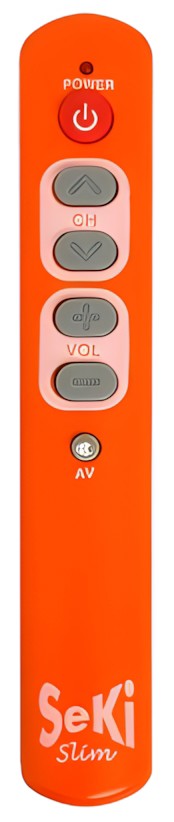
Important criteria when purchasing a remote include aspects such as its range, ease of use, and the intended use of the remote. If only one device is to be controlled, a specific remote for the product from the manufacturer or a simple universal remote will suffice. However, if one wants to operate multiple devices with one remote, one must rely on a universal remote that supports the control of several devices. It is advisable to pay attention to additional freely programmable buttons on universal remotes that can be programmed via numeric code, as the remotes usually do not offer all the functions of the originals. Additionally, it is useful if the remotes have a macro function that saves command sequences or can learn commands directly from the original remote via infrared. An integrated automatic search function is also practical, especially if there is no numeric code available for the device to be controlled. Attention should also be paid to a high-quality code database from the manufacturer. For remotes with displays, it is important that the display is large enough and that the coloured display sequences are configurable if possible. Better than remotes with a charging station are those with rechargeable batteries or batteries, as it can quickly happen that one cannot use them anymore if one forgets to set the remote. An integrated energy-saving manager that optimises the remote's energy consumption is also advantageous. Especially for older people, it is important to pay attention to an appropriate button size and the readability of the labels. Additionally, a backlight for the buttons proves to be practical, especially in the dark.