

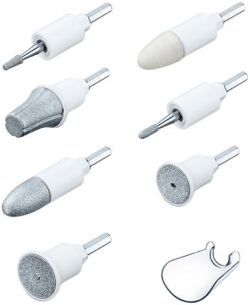



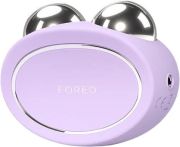
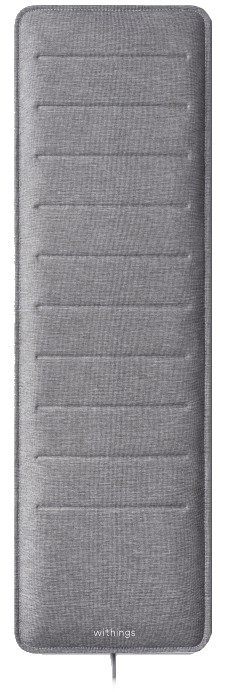

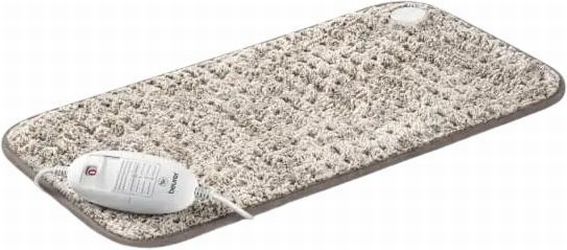



Newly Added Products
Wellness: Consumer tips
What counts as a wellness product?
Wellness products are generally items intended to support relaxation, comfort or a more pleasant home routine. Common examples include:
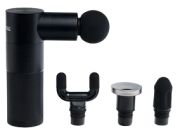
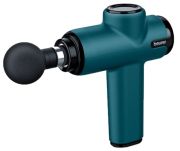
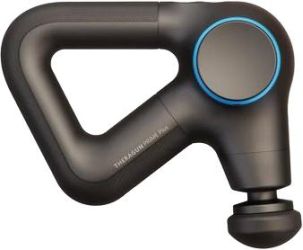
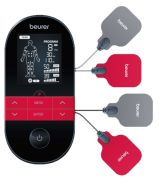
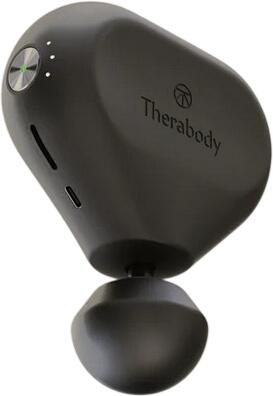
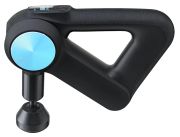
- Massage devices
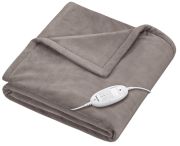
- Heated blankets and throws
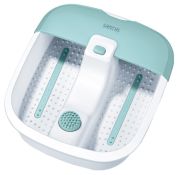
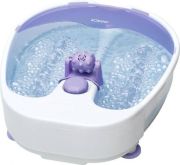
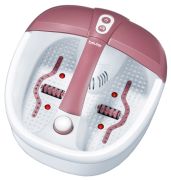
- Foot spas
- Heat pads
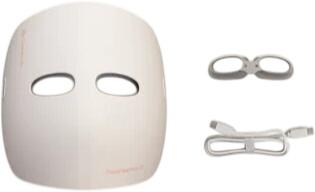
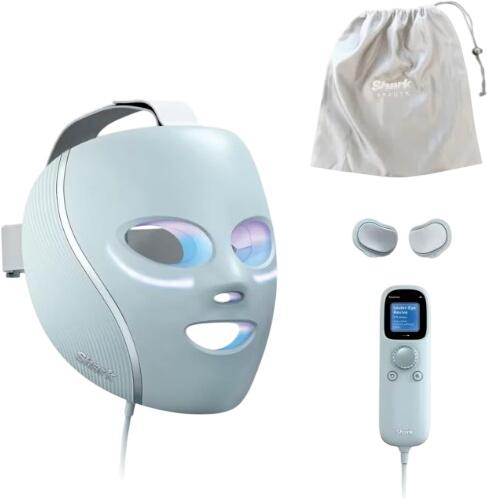
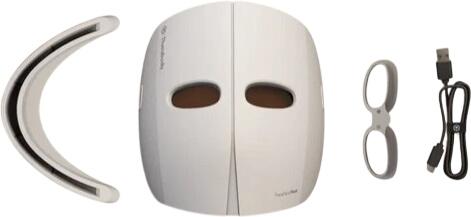
- Light-based relaxation devices
- Comfort-focused home self-care accessories
Some products are mainly about comfort, while others may overlap with personal-care or wellbeing routines. The most important thing is to view them as lifestyle and relaxation products, not as substitutes for professional medical treatment.
How do wellness products differ?
The main differences are in how they are used and what kind of experience they offer. Some products provide warmth, others offer massage or soothing sensory comfort, and some are designed to create a more restful environment.
A simple way to think about it:
- Massage products: useful for everyday comfort and relaxation
- Heated products: designed to provide warmth and comfort at home
- Foot care and soaking devices: often used as part of a wind-down routine
- Light-based products: may be used for ambience or general wellbeing, depending on the product type
When comparing options, it is worth focusing on practical ownership: ease of use, comfort, cleaning, storage and how often you are likely to use it.
What should be considered when using wellness products?
Even products designed for comfort should be used sensibly and according to the manufacturer’s instructions. Overuse, incorrect settings or unsuitable use can reduce comfort and, in some cases, create avoidable risk. That is why it is important to check guidance on duration, heat settings, cleaning and safe use before regular use.
Useful points to keep in mind include:
- Follow the manufacturer’s instructions
- Avoid excessive heat exposure
- Use timers or automatic shut-off where available
- Stop use if the product feels uncomfortable
- Store and clean the product properly
- Choose products that suit your home routine and comfort preferences
Heat and light-based products: use with care
Products that use heat or light should be approached carefully and realistically. They may feel soothing or relaxing for some people, but they should not be described or treated as guaranteed healing tools. If a product uses warmth, it is best understood as a comfort feature rather than a medical claim.
Sunbeds need especially careful framing. While some people still associate them with tanning and lifestyle use, they involve UV exposure, and overuse can increase the risk of skin damage. For that reason, they should not be presented as health-promoting products. For most wellness-focused shoppers, home comfort and relaxation products such as massage devices, warming products and non-UV wellbeing accessories are more relevant and practical choices.
What makes a good wellness product?
A good wellness product should be easy to use, comfortable and realistic for regular home use. It should fit your daily life rather than adding hassle.
Good buying points include:
- Straightforward controls
- Comfortable materials
- Practical size and storage
- Safe-use features such as auto shut-off
- Easy cleaning and maintenance
- A clear purpose in your routine
A category focused on everyday comfort
Wellness products are best seen as tools for relaxation, comfort and self-care at home. Whether you prefer a heated blanket, a massage device or a foot spa, the right product is the one that helps you unwind easily and safely. For most buyers, that means choosing simple, comfort-led products with clear everyday value rather than anything that makes broad health claims.