
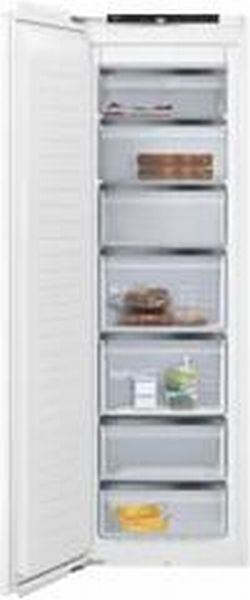
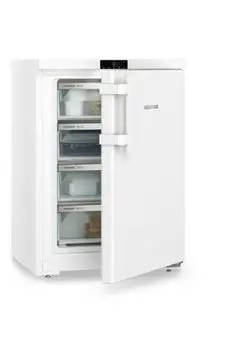


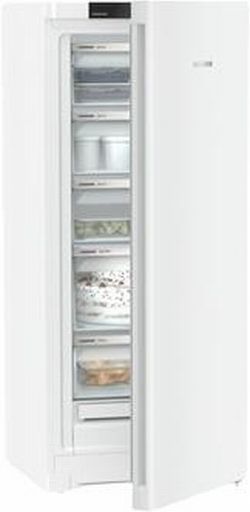
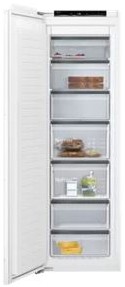

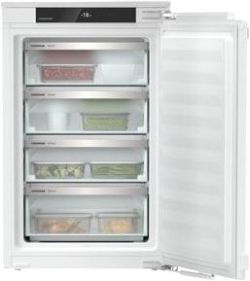





Newly Added Products
Freezers: Consumer tips

It reaches a temperature of -18 degrees Celsius or lower. Choosing the right freezer can be a challenge, as many factors need to be considered. To make the purchasing decision easier, consumers should inform themselves about the different types of freezers, the right size, energy efficiency classes, modern technologies, and other important aspects. Some questions and answers that can help in the search for the perfect freezer for individual needs are listed below.
What types of freezers are there?
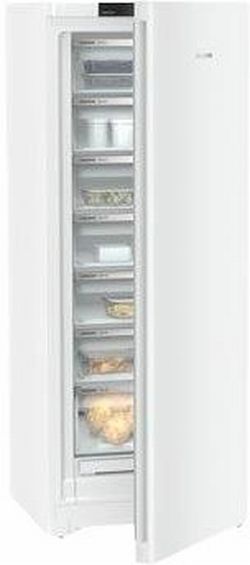
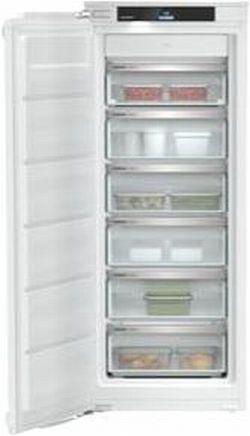
There are various types of freezers that cater to the different needs of consumers. The main types of freezers are freestanding units, built-in units, and chest freezers.
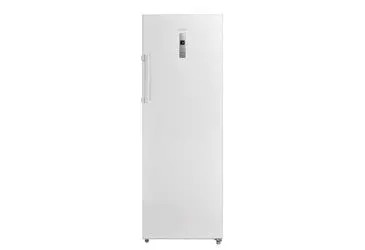
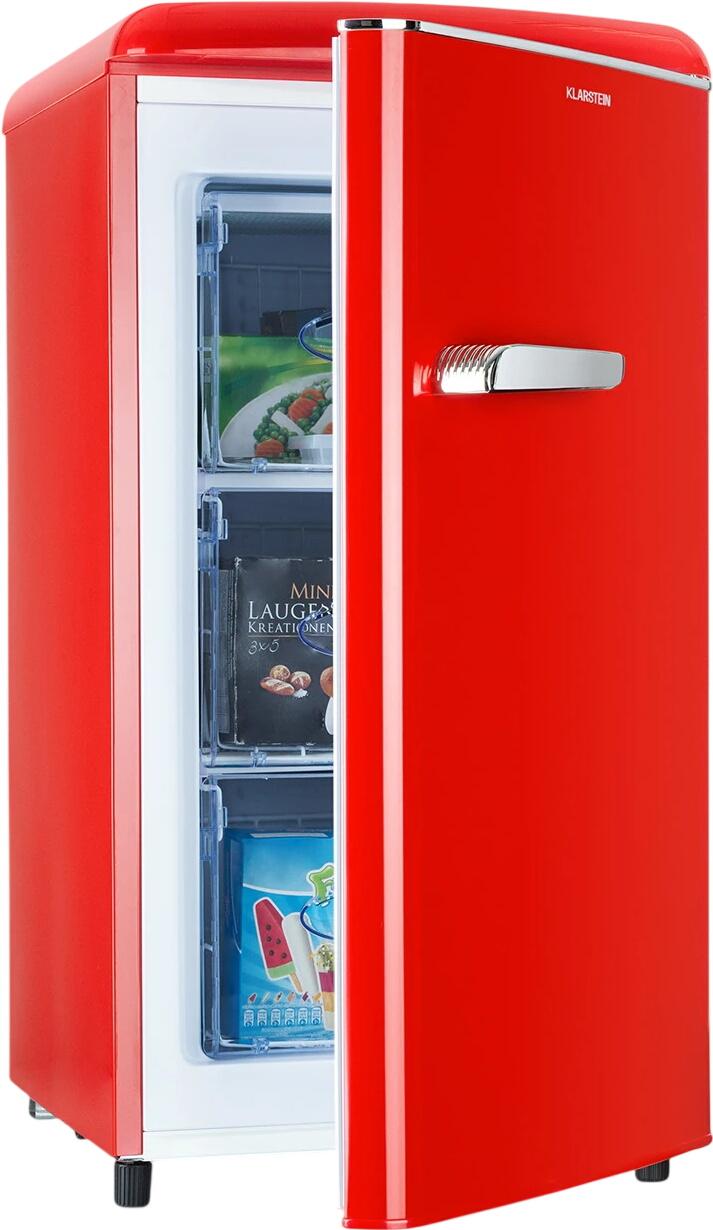
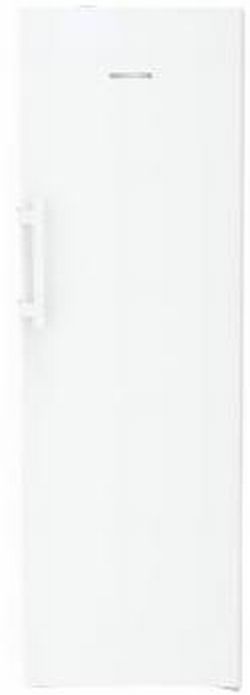
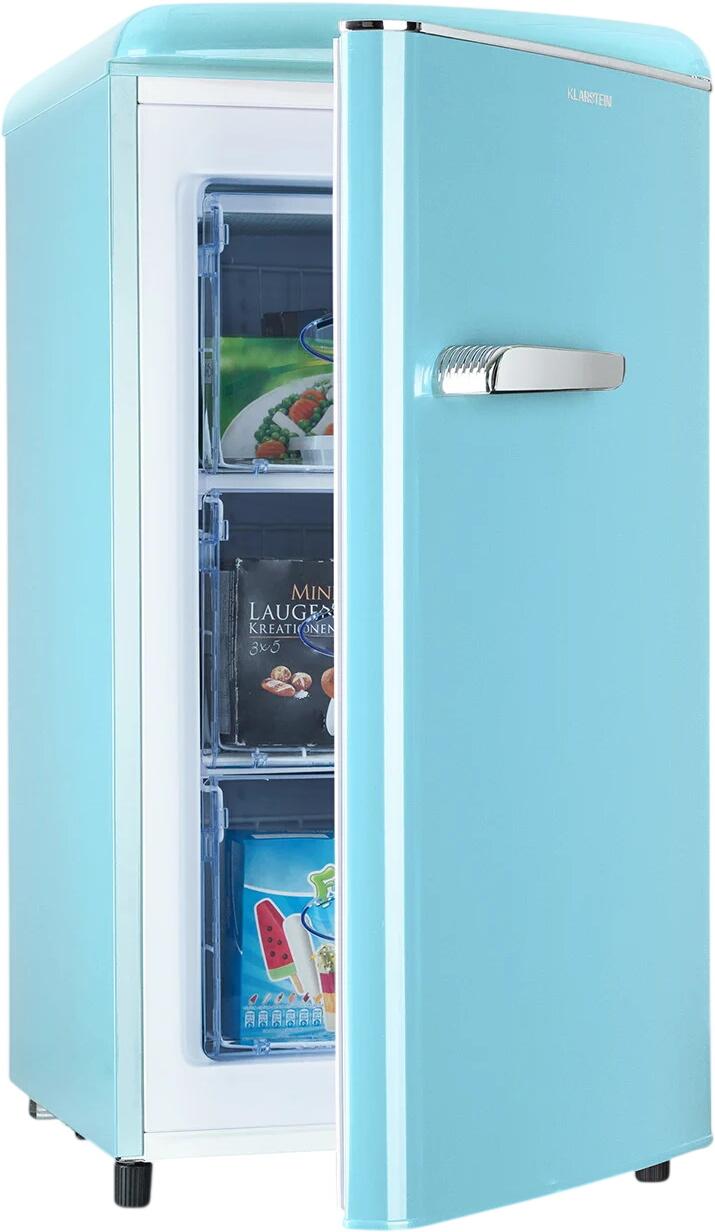
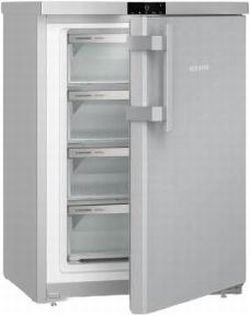
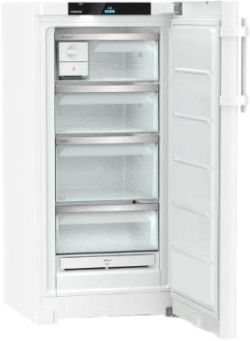
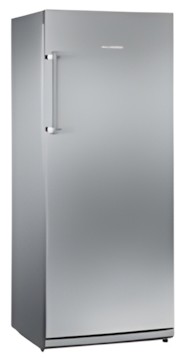
- Freestanding units are standalone freezers that can be placed independently of kitchen furniture. They are available in various sizes and capacities, making them suitable for both small and large households. Freestanding units offer flexibility in placement, as they are not tied to a specific location. They are generally more cost-effective than built-in units but may be less aesthetically pleasing.
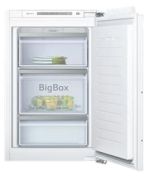
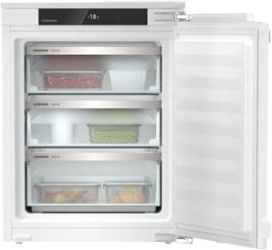
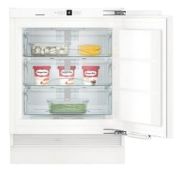
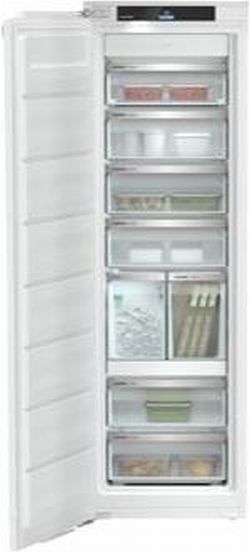
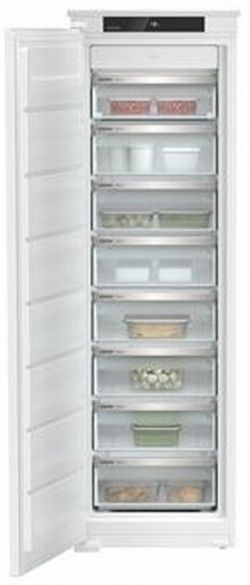
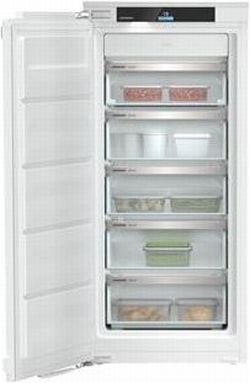
- Built-in units are integrated into kitchen furniture and provide a seamless and uniform appearance. They are ideal for those who want an aesthetically pleasing kitchen without visible appliances. However, built-in units require more precise planning and are usually more expensive than freestanding models. Since they are specifically designed for integration into kitchen furniture, they can be more difficult to replace or repair.
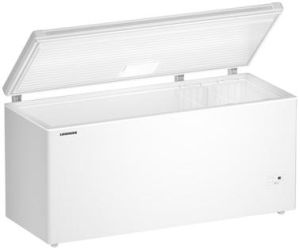
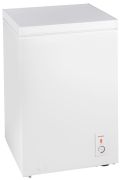
- Chest freezers are wide, flat units with a door that opens upwards. They offer a large storage capacity and are particularly well-suited for storing bulky or irregularly shaped foods, such as large cuts of meat or frozen goods in large quantities. Chest freezers are generally more energy-efficient than upright freezers, as the cold air does not escape as easily when the door is opened. However, finding food in a chest freezer can be more challenging, as items often need to be stacked on top of each other.
In addition to these main types, there are also combination units such as fridge-freezer combinations, which contain both a refrigerator and a freezer in a single unit. These devices can save space and are practical for smaller kitchens or households that do not require separate storage for chilled and frozen foods.
What size should a freezer be?
The size of a freezer determines the amount of food that can be stored. The size should be chosen based on the available space in the household and the need for freezer space. A small freezer is suitable for smaller households or for individuals who do not freeze much, while a larger freezer is better for families and individuals who frequently store large quantities of food. As a rule of thumb, one should calculate a volume of about 40 to 80 litres per person.
- For one to two-person households, a smaller freezer with a usable capacity of 50 to 100 litres is usually sufficient. In this case, a fridge-freezer combination can also be a practical solution, as it combines both cooling and freezing space in one device and saves space.
- Medium-sized households with three to four people typically require a freezer with a capacity of about 150 to 250 litres. This size provides enough space to store food for daily needs and to freeze larger quantities when necessary.
- For large households or individuals who regularly want to freeze large amounts of food, freezers with a usable capacity of 250 litres or more are suitable. In particular, chest freezers offer a large storage capacity and are well-suited for storing bulky or irregularly shaped foods.
In addition to the size of the household and the need for freezer space, the available space in the kitchen or installation area is also an important factor. In limited spaces, narrow and tall freezers or built-in units are a good choice to make optimal use of the area. Finally, energy consumption should also be considered, as larger freezers tend to consume more energy. However, a higher energy efficiency class can reduce ongoing costs and contribute to environmental protection. Therefore, all the mentioned factors should be taken into account when selecting the right size of a freezer.
What do No-Frost and Low-Frost mean?
No Frost and Low Frost are two technologies used in modern freezers to reduce the formation of ice and frost. Both systems have their advantages and disadvantages, which should be considered when selecting a freezer. No Frost systems completely prevent ice formation by continuously regulating the humidity in the freezer. This is done by a fan that evenly distributes cold, dry air throughout the interior. The main advantage of No Frost devices is that they do not require manual defrosting, saving time and effort. However, No Frost devices may have a higher energy consumption compared to Low Frost models and are generally more expensive to purchase. Additionally, they tend to be somewhat louder due to the fan. Low Frost systems, on the other hand, reduce ice formation but do not eliminate it completely. The technology is based on improved insulation and a special evaporator design that reduces the number of defrost cycles. Compared to No Frost devices, Low Frost freezers are generally more energy-efficient and cost-effective. Although they still require manual defrosting, this occurs much less frequently than with conventional freezers. A disadvantage of Low Frost devices is that they still exhibit some ice formation over time, which can lead to a loss of usable space and a reduction in energy efficiency.
What energy class should a freezer have?
As freezers typically run continuously, they consume electricity continuously. The energy efficiency class of a freezer is an important factor in selecting the right device, as it affects energy consumption and ongoing operating costs. Since March 2021, a new energy efficiency scale has been in effect in the European Union, ranging from A (most efficient class) to G (less efficient). Ideally, a freezer should have the highest possible energy efficiency class to minimise energy consumption and associated costs. The most efficient energy savers are found in the best class A. However, models in classes B and C are still quite economical. The previously best classes A+++, A++, and A+ are no longer available. Devices that were previously classified as A+++ are now found in categories C and D. The actual electricity consumption of a freezer depends not only on the assigned energy efficiency class. The usable capacity can influence consumption. Therefore, one should carefully consider what size the new freezer should be before purchasing.
What features of freezers are important?
- Energy efficiency: A good freezer should have low energy consumption to save on electricity costs and protect the environment.
- Capacity: The optimal size of the freezer space allows for a variety of foods to be stored and organised easily.
- Auto defrost: This feature prevents the formation of ice inside the device and makes maintenance and cleaning easier.
- Quiet operation: A quiet operation creates a pleasant atmosphere in the kitchen and does not disturb living comfort.
- Temperature control: A precise and easy temperature control allows for setting the desired cooling performance for optimal food storage.