











Newly Added Products




Two-Way Radios: Consumer tips
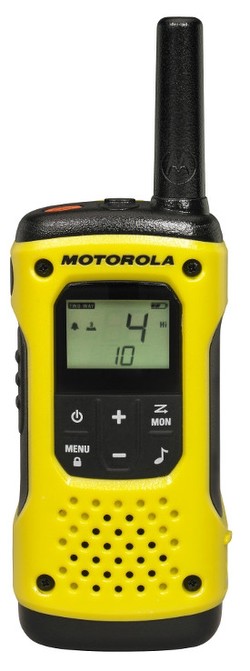
For most buyers, a pair of PMR446 radios is easier to use than a specialist CB or amateur-radio setup. Choose a model based on where you will use it, how many people need to communicate and whether you need features such as weather resistance, rechargeable batteries or headset compatibility.
PMR446, CB and amateur radio: UK rules explained
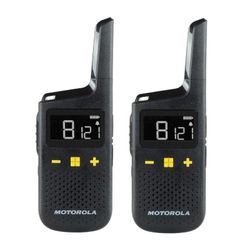
PMR446 radios are licence-exempt in the UK when they meet the relevant technical requirements. They operate on the 446MHz band with a fixed, non-removable aerial and low transmit power. Current analogue PMR446 equipment supports up to 16 channels, although older eight-channel models are still in circulation. Some products also offer digital PMR446 operation, which may provide clearer audio and additional features when all radios in the group are compatible.
PMR446 is suitable for family trips, walking groups, campsites, warehouses, marshals at small private events and communication between vehicles where mobile coverage is poor. It is not a replacement for emergency services communications. In an emergency, call 999 or 112 where possible; do not rely on consumer walkie-talkies to contact police, ambulance, fire and rescue or mountain rescue services.
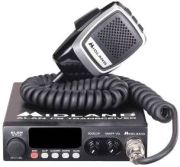
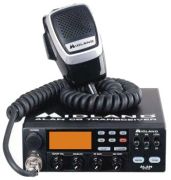
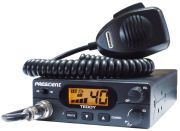
CB radio is also licence-exempt in the UK when used with compliant equipment. It is generally used by enthusiasts, road users and off-road groups, and can offer longer-range communication than PMR446 when used with a suitable aerial. CB equipment is larger and more involved to install, particularly in vehicles or as a home base station.
Amateur radio is different: transmitting requires an appropriate Ofcom amateur-radio licence. It is intended for trained hobbyists and experimentation, rather than casual family communication.
Range: what to expect in real use
Quoted walkie-talkie ranges can be optimistic because they are often measured over open ground with a clear line of sight. In towns, dense woodland, valleys, buildings, vehicles and bad weather can all reduce range considerably.
For everyday PMR446 use, expect communication over a shorter distance in built-up areas than the maximum figure shown on the box. A high vantage point and an unobstructed route between users will usually improve reception.
Features such as CTCSS and DCS are often described as privacy codes. They do not encrypt your conversation or prevent others from listening on the same channel. Instead, they filter out transmissions that do not use the same tone or code, which can make a busy channel feel quieter. If another group is using the same channel and code, you may still hear them.
Features that matter most
For family use, simplicity is often more important than a long list of functions. Large buttons, a clear display and rechargeable batteries can make radios easier to use. For hiking, camping and wet-weather activities, look for a suitable IP rating that indicates resistance to dust or water.
Useful features include:
- PMR446 compatibility: essential if you want licence-free use in the UK.
- 16 analogue channels: provides more choice than older eight-channel models.
- Rechargeable battery pack or USB-C charging: convenient for regular use.
- AA or AAA battery compatibility: useful for longer trips where mains charging is unavailable.
- IP rating: choose splash resistance or stronger weather protection for outdoor use.
- VOX hands-free mode: can transmit when you speak, though it may be affected by wind or background noise.
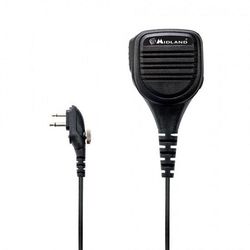
- Headset socket or Bluetooth compatibility: helpful for motorcycling, events or hands-free communication.
- Keypad lock: prevents accidental setting changes.
- Torch and emergency alert: useful extras for outdoor activities, but not substitutes for proper safety equipment.
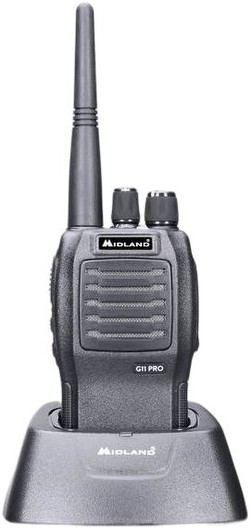
- Charging dock, carry cases and belt clips: practical additions for pairs or groups.
Walkie-talkies for motorcycling and group travel
Motorcyclists may use compatible radios with in-helmet headsets to communicate in a group. Check that the radio, headset and mounting arrangement are suitable for your helmet and can be operated safely. Set channels and volume before setting off, and do not adjust a handheld radio while riding.
For vehicle convoys, walkie-talkies can be useful for basic coordination, but drivers must remain focused on the road. Use a properly fitted hands-free setup where appropriate and never hold or operate a radio in a way that distracts from driving.
Children’s walkie-talkies
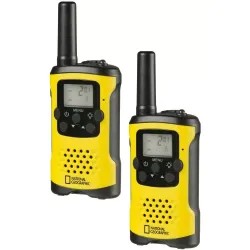
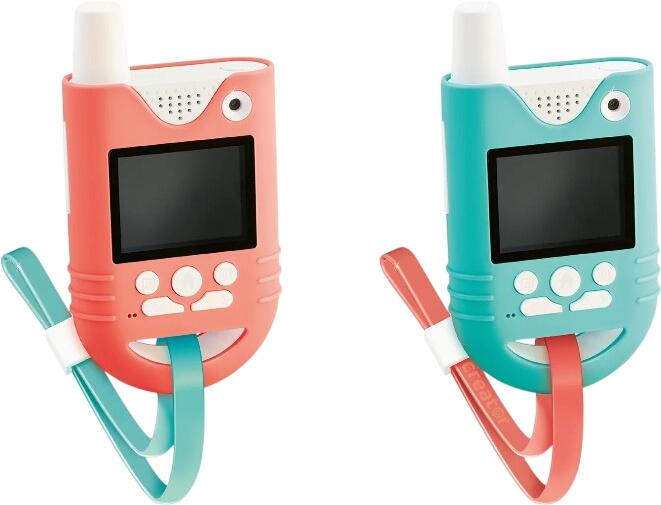
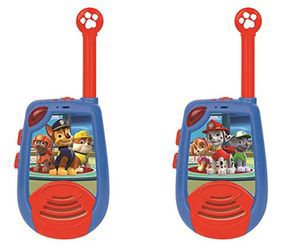
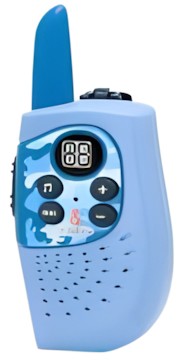
Walkie-talkies can be enjoyable for garden games, treasure hunts and family camping trips. Choose a robust pair with uncomplicated controls, a limited number of buttons and a secure battery compartment. Teach children not to share personal information over an open radio channel and to stay within agreed boundaries.
Children should use walkie-talkies under adult supervision, particularly near roads, water, public events or unfamiliar places. They should not be used as a substitute for direct supervision or a mobile phone in an emergency.
When to consider CB radio
A CB radio may be worth considering if you want a vehicle-mounted or home base-station setup, participate in an established CB community, or need communication over longer distances than a typical PMR446 handset can provide. It requires more planning than a simple walkie-talkie pair, including an appropriate aerial, power supply and installation.
Before buying, confirm that the radio is approved for UK use and that the aerial, power output and installation comply with current Ofcom requirements. Avoid modifying PMR446 radios, fitting higher-gain removable aerials or increasing transmit power, as this can make licence-exempt equipment non-compliant.
Walkie-talkie buying checklist
- For most casual use, choose a licence-free PMR446 radio pair.
- Look for current models with up to 16 analogue PMR446 channels.
- Treat advertised maximum range as a best-case figure, not a guarantee.
- Choose rechargeable batteries or USB-C charging for regular use.
- Select an IP-rated model for hiking, camping or wet-weather activities.
- Use CTCSS/DCS to reduce unwanted audio, not as a privacy or security feature.
- Check headset compatibility for motorcycling or hands-free use.
- Use CB for specialist vehicle or hobby communication; choose compliant UK equipment.
- Remember that amateur-radio transmission requires an Ofcom licence.
- Do not rely on consumer walkie-talkies for emergency-service communication.