





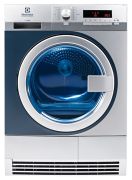
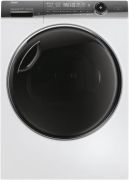

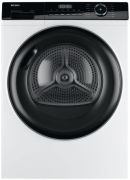
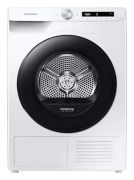


Newly Added Products
Tumble dryers: Consumer Tips

If you live in a flat, dry laundry indoors, or simply want washing turned around more quickly, a tumble dryer can be far more practical than relying on clothes airers and radiators.
What types of tumble dryer are there?
There are three main types of tumble dryer you may still come across, but they are not equally relevant in today’s market.
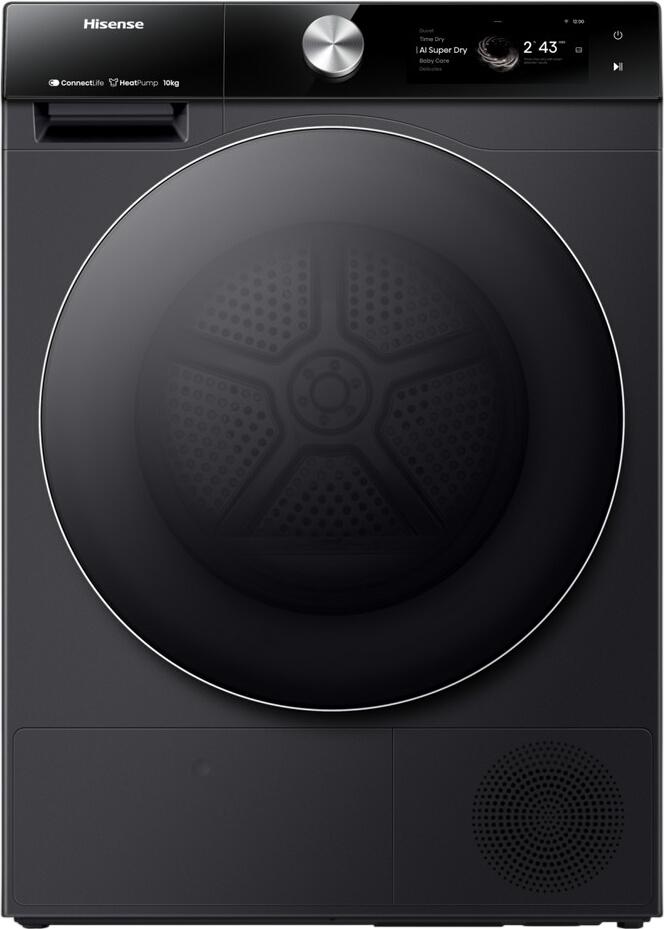
Heat pump tumble dryers
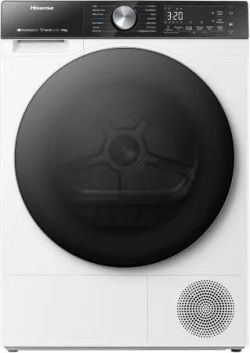
For most buyers, a heat pump tumble dryer is now the best place to start. These models reuse warm air more efficiently than older designs, which usually means significantly lower running costs. They tend to cost more upfront, but they are often the better long-term buy for households that use a dryer regularly.
Heat pump models are particularly appealing if:
- energy efficiency matters
- you dry laundry several times a week
- the dryer will be used year-round
- you want lower running costs over time
They can run longer cycles than older dryer types, so the trade-off is usually lower energy use versus shorter programme times.
Condenser tumble dryers
A condenser tumble dryer collects moisture from the laundry into a water container or sends it to a drain hose, depending on the model. It does not need an external vent, which makes it easier to position than a vented dryer.
However, standard condenser dryers are generally less efficient than heat pump models. For some households, they may still work as a lower-cost upfront option, but they are no longer the most future-friendly choice for most buyers focused on efficiency.
Vented tumble dryers
A vented tumble dryer pushes moist air out through a hose, which means it needs to be placed near a suitable external vent route. That makes installation less flexible. Vented dryers are also less aligned with what most buyers now look for in 2026, as efficiency expectations and placement convenience have moved on.
You may still see vented dryers in some ranges, but for most households they are now the least convenient option.
Which tumble dryer is best for most homes?
For most UK buyers, a heat pump tumble dryer is the most sensible all-round choice. It is typically the best fit for modern expectations around energy use and long-term ownership costs.
A standard condenser dryer may still suit buyers who want a lower initial purchase price and will only use the dryer occasionally. A vented model usually makes sense only if you already have the right setup for it and are specifically looking at that type.
Energy efficiency: what matters?
Energy efficiency is one of the biggest factors in tumble dryer ownership cost. Buyers now compare appliances using the current A to G energy label.
The energy label helps you compare:
- energy efficiency class
- capacity
- cycle information
- noise
- estimated energy use
The practical takeaway is simple: a more efficient dryer often costs more upfront, but it can be much cheaper to run over time. That matters even more if your household gets through several loads a week.
Rather than relying on broad old claims such as one type using “up to 70% less” energy, it is better to compare the actual energy label and estimated running costs of the models you are considering.
Capacity: choose for your laundry habits, not just your household size
It is usually best to match the tumble dryer capacity to your washing machine and to the way you actually do laundry. If you often wash large bedding, towels or family loads, a small dryer can quickly become frustrating.
Think about:
- whether you wash little and often or in large batches
- whether you dry bedding regularly
- whether your washing machine has a larger drum than your current dryer
- whether you want to dry full loads in one go
A mismatch between washer and dryer capacity is a common annoyance, especially if you need to split one wash load across multiple drying cycles.
Spin speed still matters
One of the easiest ways to improve tumble dryer efficiency is to reduce how wet the laundry is before it goes in. That means paying attention to your washing machine’s spin speed (rpm). The better the washing machine removes moisture, the less work the dryer has to do afterwards.
This is especially helpful for heavier items such as:
- towels
- jeans
- bedding
- hoodies
- cotton-heavy loads
Just be careful not to over-spin delicate fabrics that need gentler treatment.
Where will the dryer go?
Placement matters more than many shoppers expect. Before buying, check:
- available floor space
- door clearance
- ventilation around the appliance
- access to a drain, if relevant
- noise impact in nearby rooms
- whether stacking is needed
If the appliance is going in a kitchen, hallway cupboard or utility space near living areas, quieter operation becomes much more important. If you live in a flat or smaller home, programme noise and cycle length may matter almost as much as efficiency.
Are top-loading tumble dryers worth considering?
Most tumble dryers sold are front-loading models. Top-loading tumble dryers are much less common, so in practice most shoppers will be comparing front-loading machines only. Rather than focusing on old “front loader vs top loader” distinctions, it is usually more useful to compare:
- capacity
- door opening space
- stackability
- controls
- filter access
- water container access
Noise levels
Noise can make a real difference if the dryer is near a kitchen-diner, bedroom wall or living space. A noisy machine can be much more noticeable in a smaller property, especially in a flat or a rented home.
When comparing models, look at:
- the rated noise level
- whether the machine is designed for quieter operation
- how often you are likely to run it in the evening
- whether the dryer will be enclosed in a cupboard or utility area
Quieter performance is often worth paying extra for if the dryer will be used regularly in a shared or open-plan space.
Features worth having
Modern tumble dryers include features that genuinely improve day-to-day use. Useful ones include:
- sensor drying, so the cycle stops when clothes are dry
- anti-crease settings
- delay start
- drain hose options
- easy-clean lint filters
- bedding, delicates and mixed-load programmes
- child lock
- app connectivity or smart alerts on some premium models
Sensor drying is especially valuable because it can help avoid over-drying, protect fabrics and reduce wasted energy.
What to look for before buying
A good tumble dryer should suit both your laundry volume and your home. Before choosing one, ask:
- Do I want the lower running costs of a heat pump model?
- Do I have space and access requirements for the type I am choosing?
- Is the capacity right for my normal wash loads?
- Will the noise level be acceptable in my home?
- Do I want to stack it with a washing machine?
- How easy is it to empty the water container and clean the filter?
Which tumble dryer should you buy?
For most UK households, a heat pump tumble dryer is the strongest all-round recommendation because it fits current expectations on efficiency and long-term running cost. A condenser dryer can still work for lighter or more occasional use, while a vented dryer is now more of a niche option.
The best tumble dryer is not simply the cheapest one or the one with the shortest list of programmes. It is the one that fits your space, handles your usual laundry comfortably, keeps energy use under control and is quiet enough to live with week after week.