







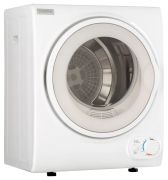
Vented Dryer Comparison: Consumer Tips

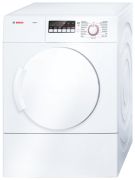
In this case, the moist, hot air is expelled outside through a hose. An opening in the wall or a window must be present to vent the air outside. A condenser dryer, on the other hand, allows the moist, hot air to condense. This means it converts the moisture into water and collects it in a container, which must be emptied manually. However, there are also models that allow for the pumping out of the condensate. Condenser dryers can be placed in almost any room, but they consume about 10 to 20 percent more energy than vented dryers.
How can you save energy best?
To reduce electricity consumption when drying, you should spin the laundry well beforehand. Your washing machine should be equipped with a spin speed of at least 1,200 revolutions per minute. Many tumble dryers only achieve energy efficiency class C or worse. An exception is tumble dryers with innovative technologies such as gas heating, heat pumps, or pure cold air operation. These devices also achieve the energy-efficient class A. For example, heat pump dryers consume about 40 percent less energy than traditional condenser dryers. When using the dryer, you should ventilate the room or open the window completely, as this can save you about 30 percent energy per load. The reason for this is that the dryer cannot draw in cold air if the room heats up too much, causing it to consume more electricity.
What should you consider when buying a tumble dryer?
First, decide based on your needs whether to choose a vented or a condenser dryer. In general, you should pay attention to the following purchase criteria: drum capacity, reversible door hinge, easily removable lint filter, energy efficiency class, programme features, moisture-controlled drying programme, sensor-controlled load automatic, heat pump, and pollen filter for allergy sufferers.
