



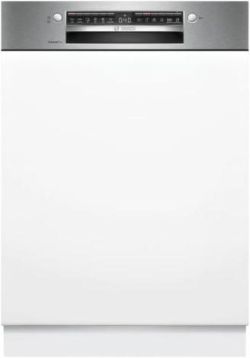
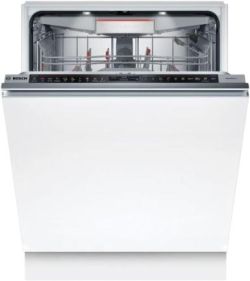

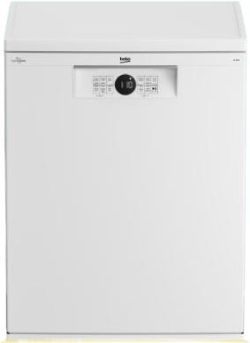

Newly Added Products
Buy dishwashers cheaply: Consumer tips

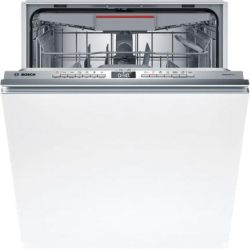
It is a useful helper in the household that cleans the dishes independently. Let's be honest: washing dishes by hand is considered tedious by most people. Those who prefer to use their time more efficiently turn to the dishwasher. Today, there is a wide selection of products available. Energy efficiency and noise level play an important role. We have summarised what to look for when buying a new one and show which dishwasher is the right one.
Built-in or freestanding dishwasher?
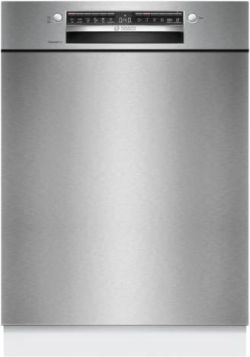
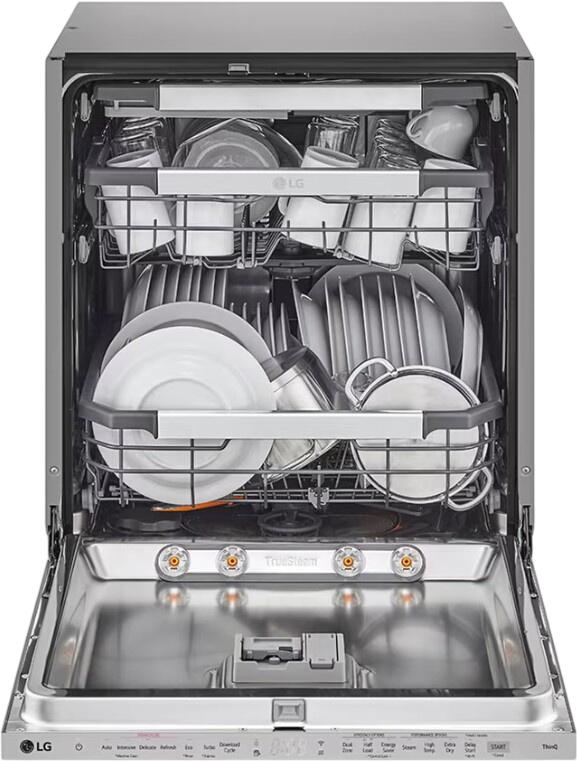
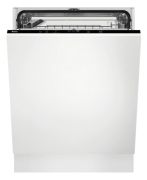
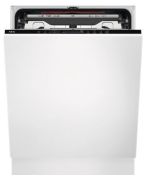
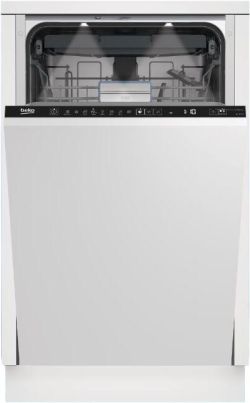
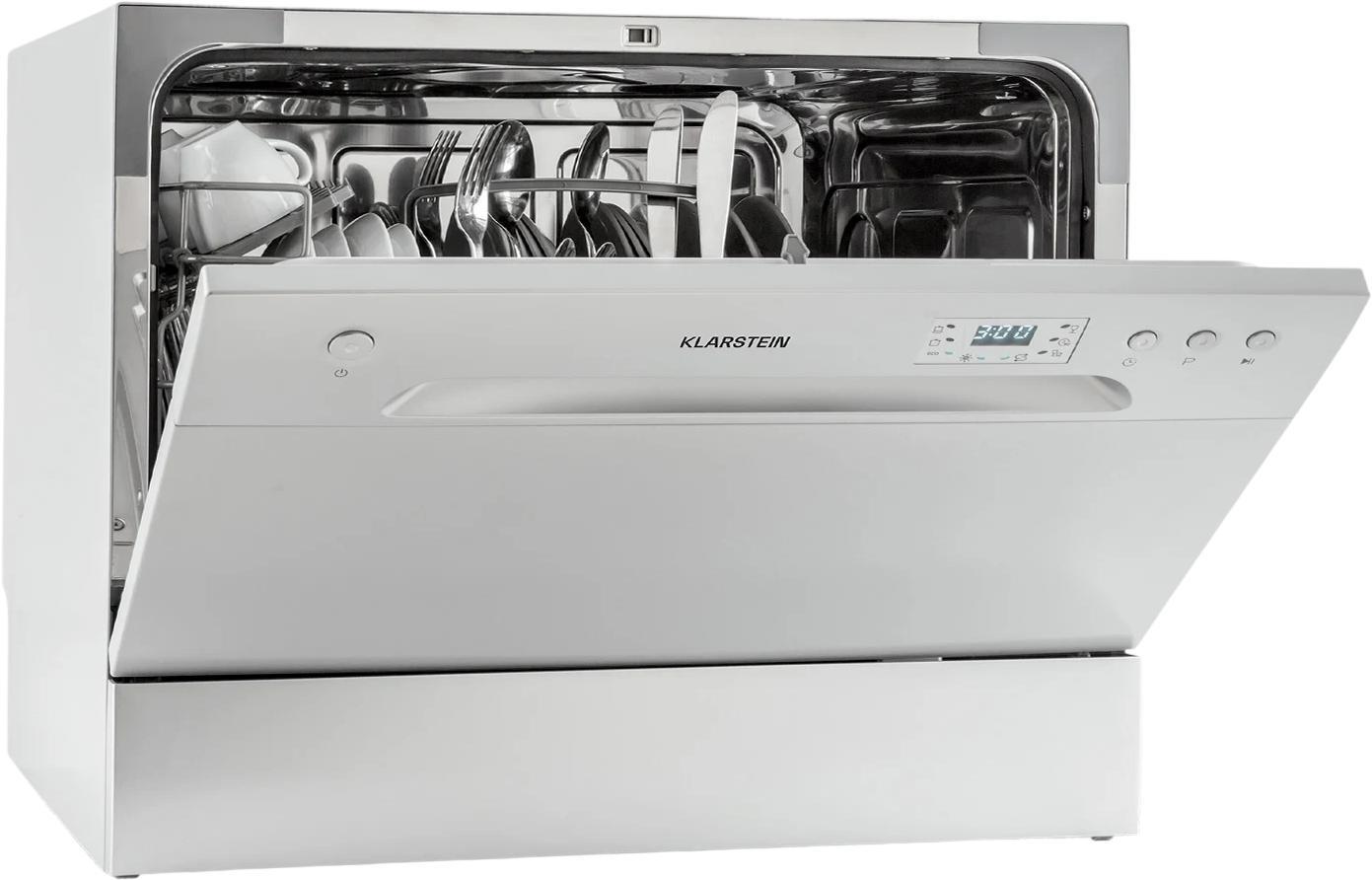
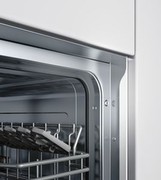
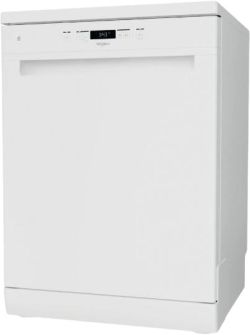
The decision between a built-in appliance and a freestanding dishwasher depends on the kitchen layout and available space. A built-in appliance can be integrated into the kitchen unit almost invisibly and saves space. It is ideal if you have a modern and simple kitchen and want to integrate the dishwasher invisibly. A freestanding dishwasher, on the other hand, can be placed anywhere in the kitchen. However, both variants also have disadvantages. The built-in dishwasher is more difficult to install and may not fit in every kitchen. The freestanding dishwasher may not always match the design of your kitchen optimally.
How big should the dishwasher be?
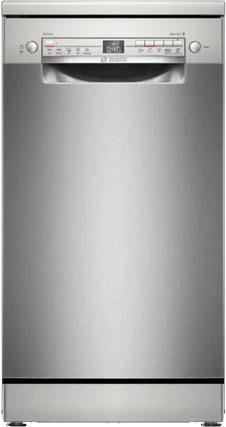
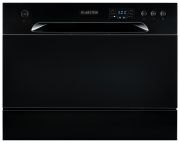
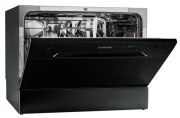
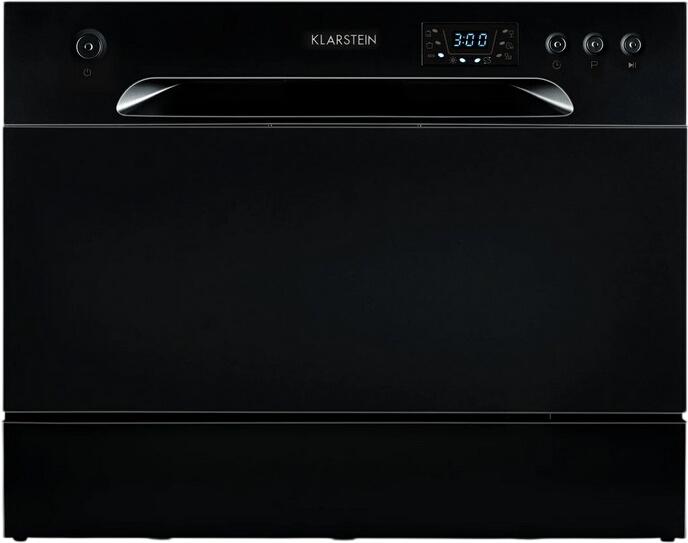
In single apartments, a 45-centimetre wide appliance is sufficient, which can hold enough dishes, cutlery, and pots that arise from normal usage. Those with even less space can opt for a countertop dishwasher, which has less capacity and must be filled manually with water. For family households, a standard dishwasher with a width of 60 centimetres and a capacity of 12 to 14 place settings is suitable. These are ideal for four-person households and provide enough space for pots, pans, and larger dishes. However, it should be noted that a larger dishwasher also consumes more energy and water. Therefore, it is important to match the capacity of the dishwasher to the actual needs to save energy and water.
What energy efficiency does a dishwasher have?
Since the purchase is intended for many years, one should primarily keep an eye on the operating costs when buying. Like other household appliances, dishwashers are classified into energy efficiency classes. The scale ranges from A to G, with A representing the highest and G the lowest energy efficiency class. Inexpensive and simply equipped models usually have an energy efficiency class between C and F. More expensive models offer additional functions such as load detection or special cleaning programmes that can further reduce energy consumption. Instead of the annual consumption figure, the energy consumption per 100 operating cycles is indicated. The water consumption is indicated per operating cycle in the "eco" programme. Another innovation is the indication of the duration of the programme in eco mode.
What is the noise level of a dishwasher?
The noise level of a dishwasher is another factor in the purchasing decision. Modern dishwashers today have a noise level between 40 dB and 50 dB. Devices with a noise level below 40 dB are considered particularly quiet and therefore more pleasant. However, it should be noted that the noise level can vary depending on the programme. For example, the intensive programme may have a higher noise level than the eco programme. Additionally, the noise level at the end of the wash cycle, when the water is being drained, may be higher than during the washing process. To create a quiet working environment, manufacturers offer special sound insulation and quieter motors. This helps ensure that the dishwasher is as quiet as possible during operation. Overall, the noise level of a dishwasher is an important factor in the purchasing decision, especially for people with open kitchens or living areas. However, most modern dishwashers are quiet enough not to cause disturbing noises. A new classification of the noise level into four air sound emission classes from A to D is also available.
Tips for buying a dishwasher
- Consider what type of dishwasher you need: built-in, freestanding, under-counter, fully integrated, or semi-integrated.
- Pay attention to the energy efficiency class of the appliance to save on operating costs in the long term. A high energy efficiency class, such as class A, is recommended.
- Consider the size and capacity of the dishwasher to ensure it fits in your kitchen and can hold enough dishes.
- Think about what additional functions and programmes you need, such as an eco or savings mode, load detection, or special cleaning programmes. These can optimise the operation of the dishwasher and save costs.