











Built-In Ovens: Consumer tips

Oven sizes and fitting dimensions
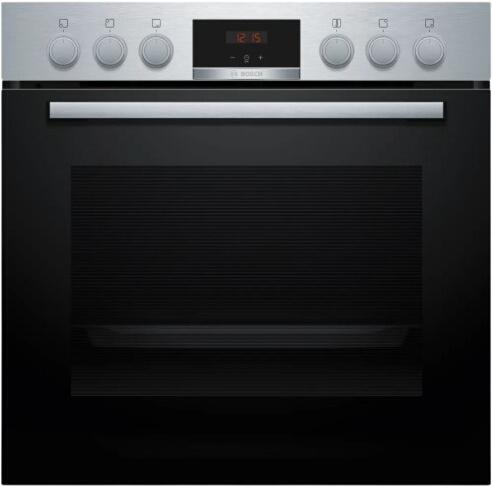
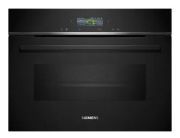
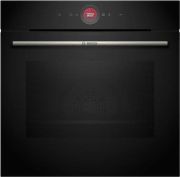
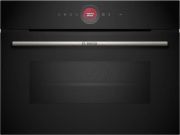
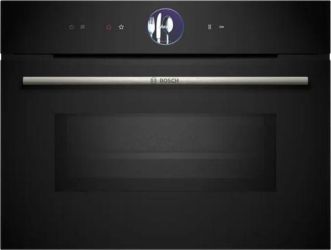
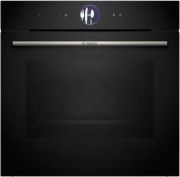
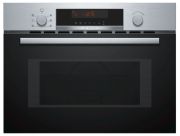
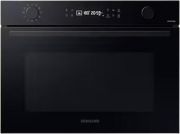
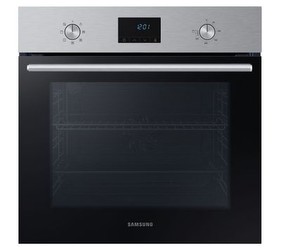
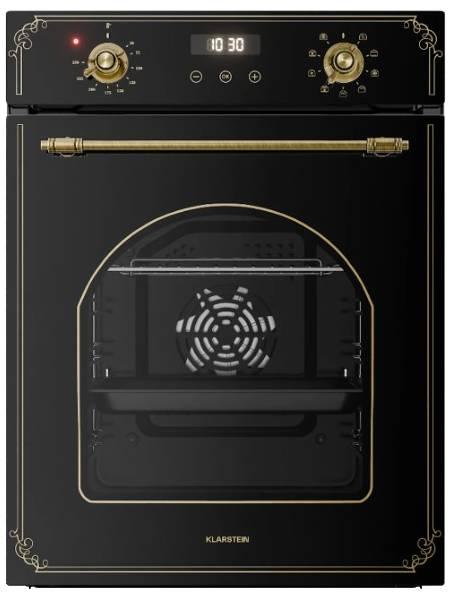
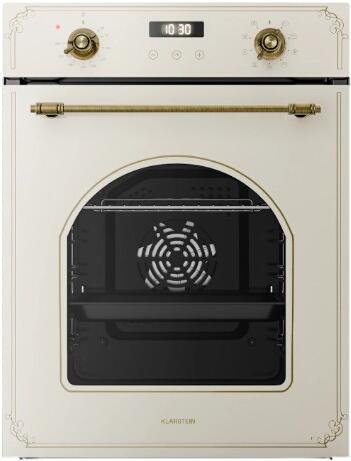
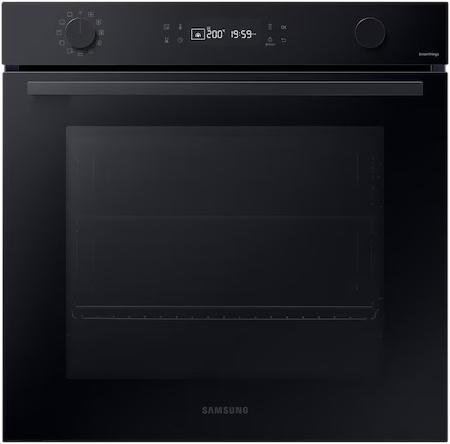
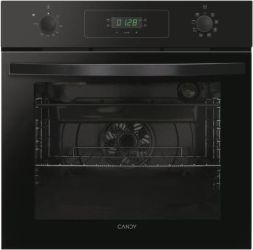
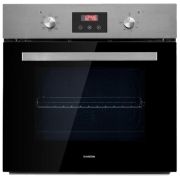
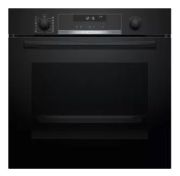
The standard built-in oven width is 60cm, with a typical usable capacity of around 60 to 75 litres. This suits most households and standard kitchen cabinets. Compact ovens, usually around 45cm high, are useful in smaller kitchens or as a second oven alongside a full-size model.
Always check the appliance’s installation diagram before ordering. The cabinet niche dimensions, ventilation gaps, electrical connection and door clearance must be suitable for the exact oven model. Built-in ovens are normally hard-wired and should be installed in line with the manufacturer’s instructions by a suitably qualified installer.
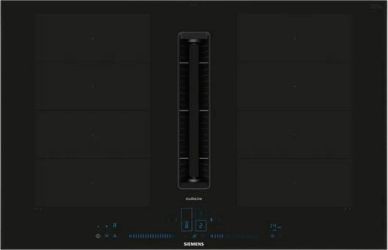
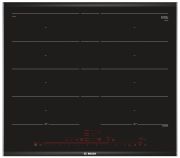
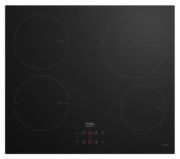
If you want a matching hob and oven controlled from the same panel, look for a compatible built-in cooker and hob package. If you prefer the hob controls to be separate, choose an independent built-in oven.
Cooking functions explained
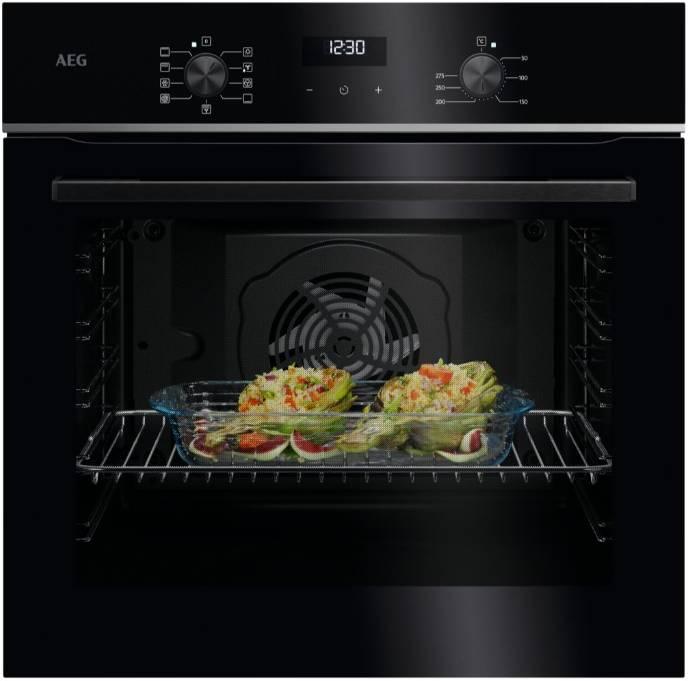
The most useful cooking mode for everyday meals is usually fan cooking. A fan circulates hot air around the cavity, helping food cook more evenly and allowing you to use more than one shelf at a time. Recipes often need a lower temperature in a fan oven than with conventional top-and-bottom heat, but always follow the guidance for the appliance and recipe.
Common oven functions include:
- Fan oven: even heat distribution for roasting, baking and batch cooking.
- Conventional heat: top and bottom elements heat the oven without a fan; useful for some cakes and traditional recipes.
- Fan-assisted conventional cooking: combines heating elements with fan circulation.
- Full-width grill: suitable for toast, cheese toppings, bacon and browning dishes.
- Half grill: useful for smaller portions and can reduce energy use.
- Pizza or intensive heat setting: combines bottom heat and fan cooking for crisp bases.
- Defrost setting: circulates air without cooking the food.
- Keep-warm and plate-warming modes: useful when preparing several dishes.
- Steam-assisted cooking: adds moisture during cooking to help bread, roasts and some baked dishes retain moisture.
- Air-fry function: available on selected models, usually used with a perforated tray or dedicated air-fry accessory.
Not every function is necessary. A reliable fan oven, grill and conventional setting will cover most day-to-day cooking, while extra programmes can be worthwhile if you regularly bake bread, cook pizza or prepare larger family meals.
Cleaning systems and interior design
Cleaning is a major consideration when choosing an oven. Standard enamel interiors are durable and easier to wipe down than uncoated surfaces, but they still require regular cleaning before grease becomes baked on.
Many current built-in ovens include one of the following cleaning systems:
- Pyrolytic cleaning: heats the oven to a very high temperature, reducing food residue to ash that can be wiped away once the oven has cooled. This is effective but uses significant energy during the cleaning cycle.
- Catalytic liners: absorb and break down some grease splashes during high-temperature cooking. They do not clean every part of the oven and may need replacing after years of use.
- Hydrolytic or steam cleaning: uses water and heat to loosen light soiling, making manual cleaning easier. It is best for regular maintenance rather than heavy baked-on residue.
- Easy-clean enamel: smooth coatings designed to reduce the amount of scrubbing required.
A removable glass door, removable shelf supports and a well-positioned interior light also make routine cleaning more manageable. Odour-reduction features are available on some models, but regular cleaning and effective kitchen ventilation remain the most dependable ways to limit cooking smells.
Shelves, telescopic rails and door options
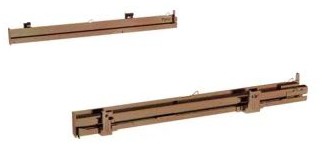
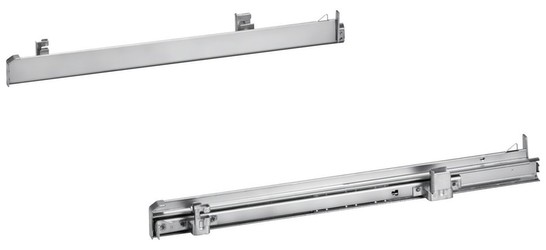
Standard side runners support shelves and trays at different heights. Telescopic rails allow a tray to slide out smoothly while remaining supported, making it easier and safer to baste a roast, check a bake or remove heavy cookware.
Some premium models use a pull-out shelf or drawer-style system, where trays move forward with the door. This can improve access, particularly for eye-level installations, but check how much space the open door and shelf require.
Most ovens have a drop-down door, which works well for under-counter fitting. Side-opening doors are available on selected built-in models and can be helpful when the oven is installed at eye level, especially in kitchens where an open drop-down door would obstruct the walkway.
Energy use and safety features
Energy consumption differs between ovens, cooking functions and cavity sizes. A larger oven can be practical for family cooking, but it may use more energy than a compact model when preparing small meals. Using fan cooking where appropriate, preheating only when the recipe requires it, and cooking several dishes at once can help reduce electricity use.
Built-in ovens sold for the Great Britain market should display the relevant UK energy label and product information. Use this information to compare energy consumption for conventional and fan cooking modes, rather than assuming that one type of oven is always more efficient than another. Energy-label requirements and formats can differ in Northern Ireland, where EU rules may apply.
For safe everyday use, look for:
- Multi-layer glazed doors that keep the outer glass cooler
- Child lock to prevent accidental changes to settings
- Automatic safety switch-off for added reassurance
- Cooling fan to protect surrounding cabinetry and controls
- Telescopic rails for safer handling of hot trays
- Soft-close door for quieter, more controlled closing
- Clear timer and programmable cooking controls
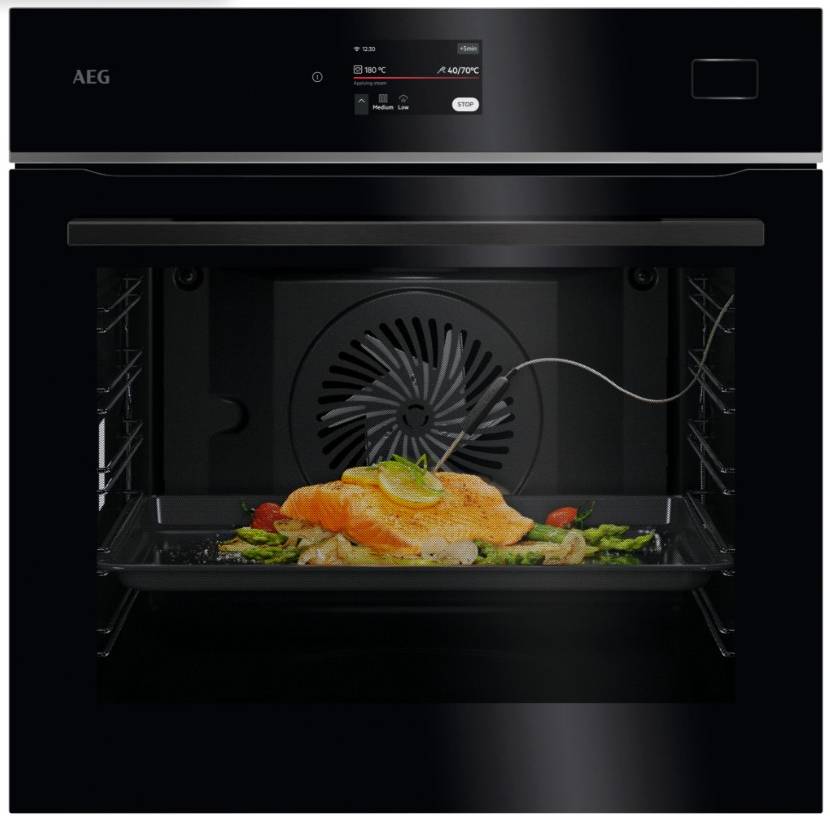
- Temperature probe for accurate roasting on selected models