






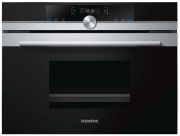
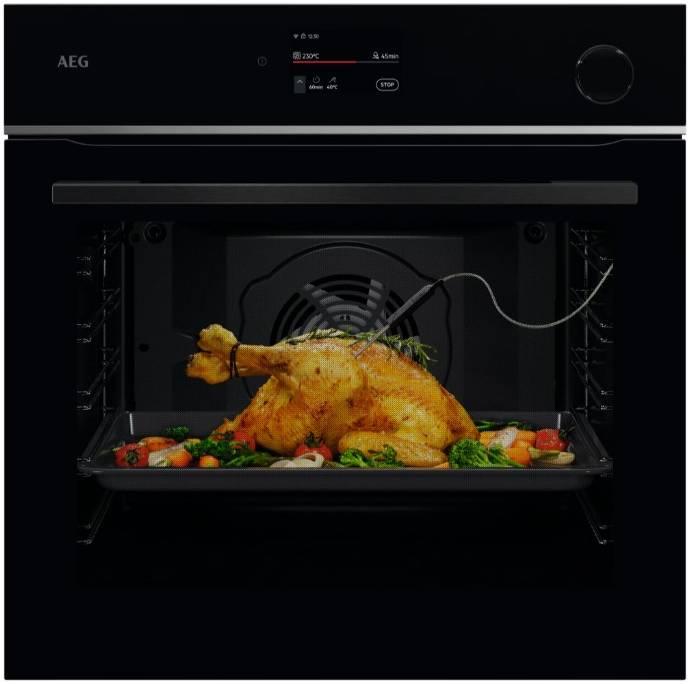
Built-In Steam Ovens: Consumer tips

Built-in steam ovens: healthier cooking with a premium fitted finish
Steam cooking works by surrounding food with hot steam rather than immersing it in water or relying only on dry heat. This can help ingredients keep their texture, colour and moisture more effectively than some traditional methods. It is still best to avoid absolute claims, though: results depend on the food, cooking time and appliance settings. A good steam oven gives you more control and can make healthy everyday cooking easier, but it does not automatically make every dish better.
Why choose a built-in steam oven?
The biggest appeal of a built-in steam oven is convenience combined with a premium integrated finish. Unlike a countertop appliance, it keeps your worktop clear and fits neatly into fitted kitchen furniture.That makes it a strong option during a kitchen refurbishment or when replacing an existing built-in oven within a standard housing unit.
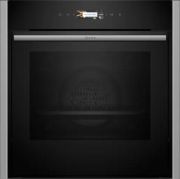
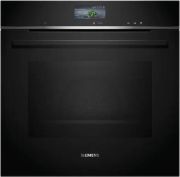
Many current models are designed as combi steam ovens, which means they combine steam with conventional oven functions such as fan cooking, grilling and roasting. This is an important distinction. A steam-only oven is ideal for steaming and reheating, while a combi steam oven is much more versatile and can often handle everyday baking and roasting as well. If you want one appliance to cover more of your cooking, a combi model is usually the more practical choice.
Steam-only or combi steam oven?
This is one of the most important buying decisions. Some shoppers assume every steam oven works like a standard oven, but that is not always the case. Before you buy, decide whether you want a specialist appliance or a more flexible all-rounder.
A quick guide:
- Steam-only oven: best for vegetables, fish, rice, reheating and gentle cooking
- Combi steam oven: combines steam with standard oven functions for roasting, baking and everyday meals
- Full-sized built-in model: often better for families and regular use
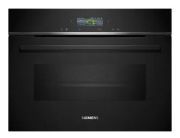
- Compact model: useful in smaller kitchens or as a second oven in a tall housing unit
If you are replacing a main oven, a combi steam oven will usually make more sense than a steam-only model.
The features worth looking for
Modern built-in steam ovens offer far more than basic steaming. The best models are designed to simplify day-to-day cooking, reduce guesswork and fit neatly into the way people use kitchens now. Features vary by price point, but there are several that are especially worth considering.
Useful features include:
- Combi-steam cooking for roasting, baking and steaming in one appliance
- Refillable water tank or plumbed water supply depending on kitchen layout and installation preference
- Automatic programmes for common foods such as vegetables, fish, bread and poultry
- Touch controls or clear TFT displays for easier programme selection
- Cleaning programmes or steam-cleaning functions to reduce maintenance effort
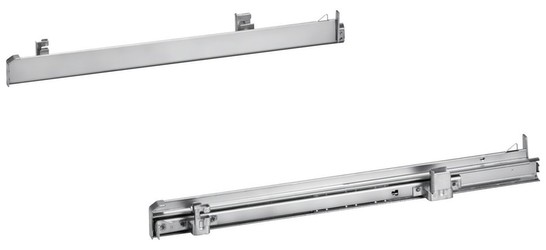
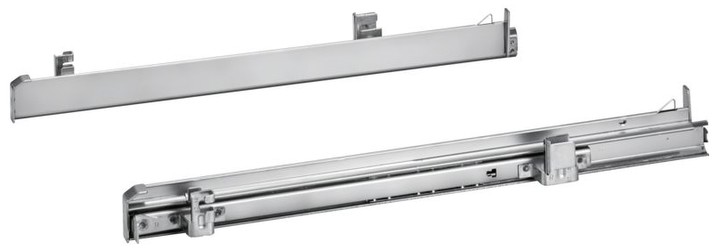
- Soft-close doors and telescopic runners for easier handling of hot dishes
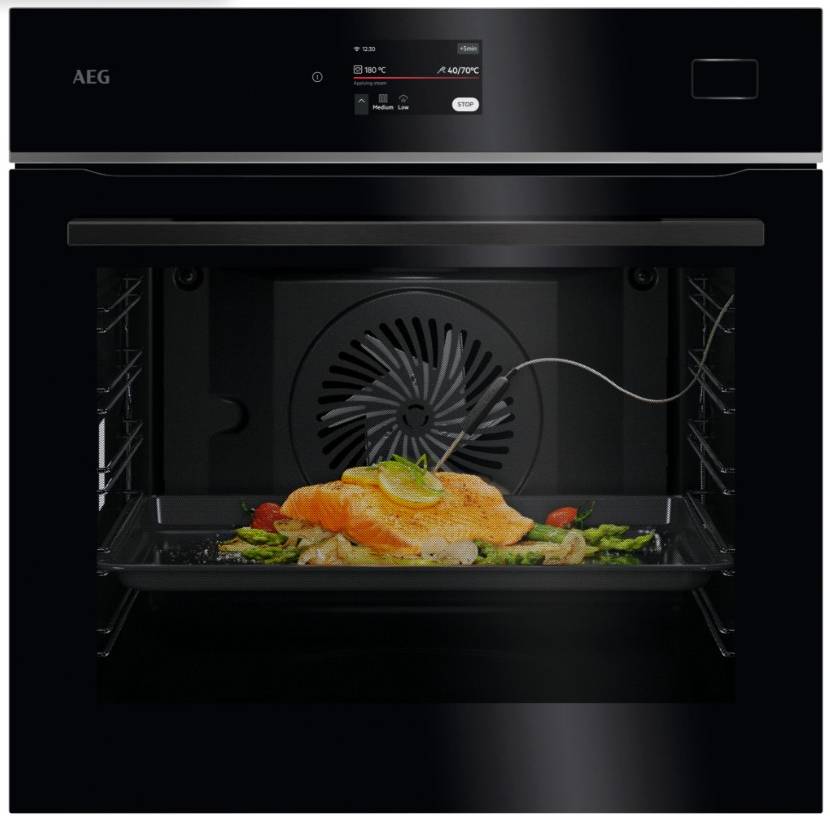
- Temperature probe on premium models for accurate cooking results
- Wi-Fi or smart app control on some models for remote monitoring and guided cooking
Door insulation, cooling fans, child lock functions and automatic shut-off all help with everyday usability, especially in family kitchens.
Size, fit and installation
Shoppers should pay close attention to sizing before buying. Most built-in steam ovens are designed to fit standard kitchen cabinetry, with 60cm-wide appliances being the most common choice. Compact models may sit neatly in a tall unit above or below another appliance, while full-sized models are better suited to households that cook larger portions more often.
Before ordering, check:
- Appliance width and niche dimensions
- Whether the model is compact or full size
- Water tank access if the appliance is not plumbed in
- Door clearance in tighter kitchen layouts
- Electrical requirements and installation needs
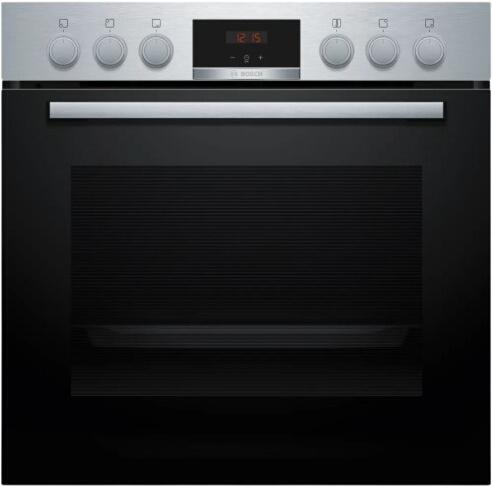
- Whether you want it paired visually with a matching built-in oven, microwave or warming drawer
What should you consider before buying?
Think first about how often you will actually use steam cooking. If you mainly cook simple evening meals, meal-prep lunches or healthier family food, a built-in steam oven can be genuinely useful. If you mostly rely on takeaway, air frying or occasional oven meals, it may end up underused. It is also worth considering whether you want it as your main oven, a second oven or a specialist appliance alongside a conventional model.
Focus on the features that affect everyday ownership:
- Capacity: larger households should look for generous oven volume and flexible shelf positions
- Ease of cleaning: removable shelf supports, descaling alerts and cleaning programmes save time
- Ease of filling: a well-positioned water tank is more convenient for regular use
- Controls: clear menus matter more than flashy displays
- Versatility: combi functions are often better value than steam-only cooking
- Running costs: energy use varies by model and by how you cook, so compare energy labels and real-world functions rather than assuming all steam ovens are expensive to run
Price differences can be significant, especially once you move into premium finishes, larger cavities and smart features. It is usually better to buy for usability and cooking style than to choose solely on headline specifications.
Advantages and possible drawbacks
A built-in steam oven offers real benefits for many households. It can help with gentler cooking, support healthier meal preparation and create a neater fitted kitchen layout. It is also excellent for reheating leftovers without drying them out, which is one of the most practical everyday uses.
Key advantages include:
- Integrated look with no loss of worktop space
- Excellent for vegetables, fish, rice and reheating
- Often better moisture retention than dry-heat cooking alone
- Available in versatile combi models
- Well suited to batch cooking and family meals
There are also a few drawbacks to keep in mind:
- Higher purchase cost than basic built-in ovens
- Installation is more involved than using a freestanding countertop appliance
- Some models need regular descaling and water tank refilling
- Steam-only models may not replace a conventional oven
- Premium features can push prices up quickly
Is a built-in steam oven worth it?
For many households, yes, especially if you are already planning a fitted kitchen or upgrading built-in appliances. A built-in steam oven is most worthwhile when it matches the way you actually cook. If you want a flexible appliance for everyday meals, baking, roasting and steaming, a combi steam oven is usually the best place to start. If you mainly want an extra appliance for gentle cooking and reheating, a compact steam model may be enough.