





Accordions: Consumer tips

An accordion is a free-reed instrument that produces sound by the movement of air through a set of reeds, activated by pressing keys or buttons. These instruments have both a melody and a bass side, allowing the player to perform melodies as well as chords. Thanks to this feature, the accordion is particularly popular in folk music, but also in genres such as polka, tango, and even rock music.
The History of the Accordion
The first forms of the accordion appeared in early 19th century Europe. Originally designed as simple hand organs, these instruments quickly evolved and were adopted in many cultures. In Germany, the Hohner company was a pioneer in the production of accordions and significantly influenced the development of the instrument. Over the years, the accordion became increasingly sophisticated and complex, leading to a variety of variations and styles.
What parts make up an accordion?
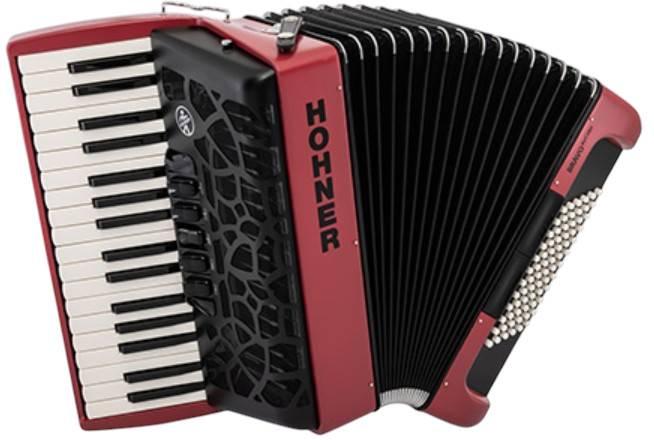
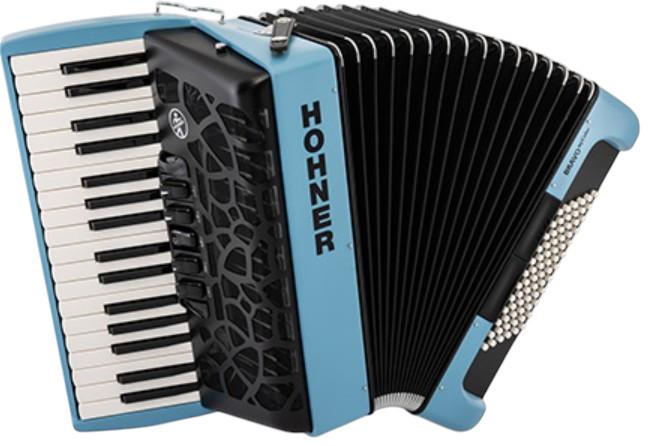
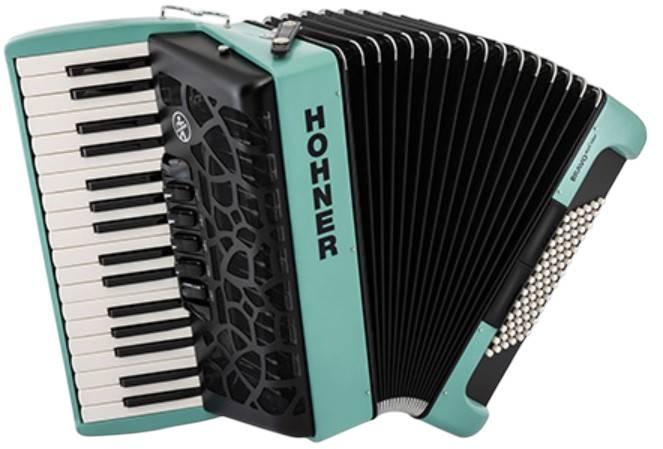
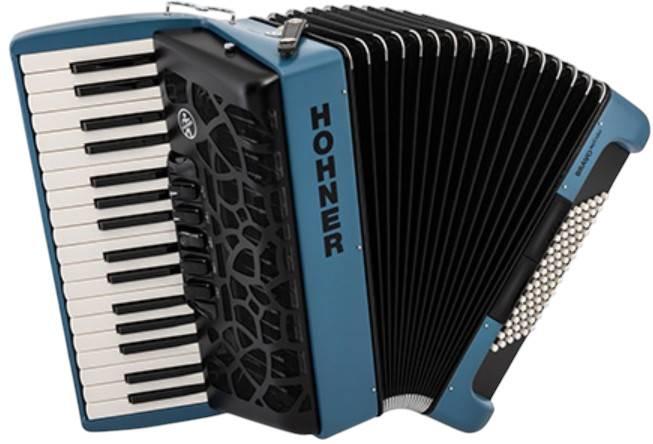
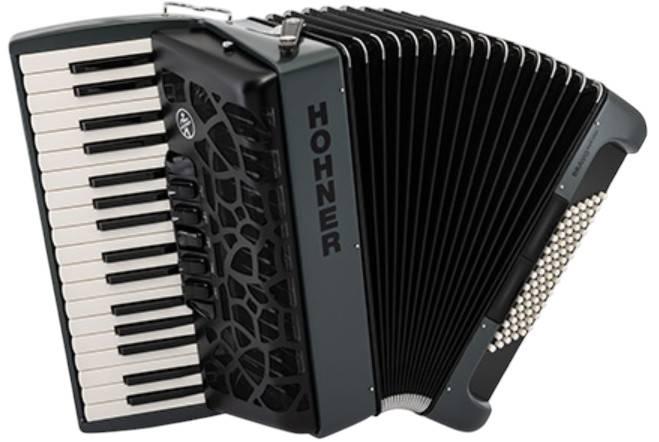
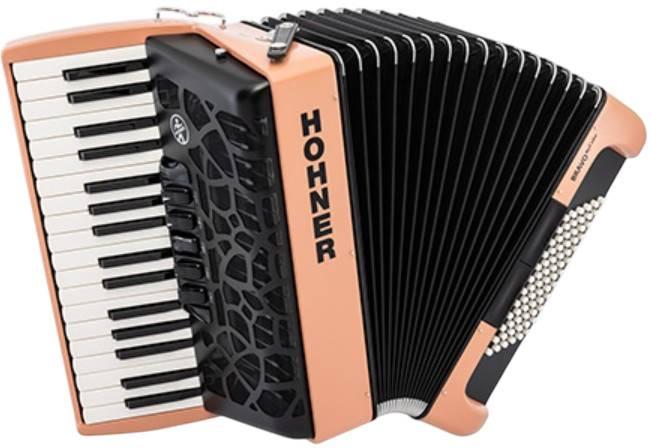
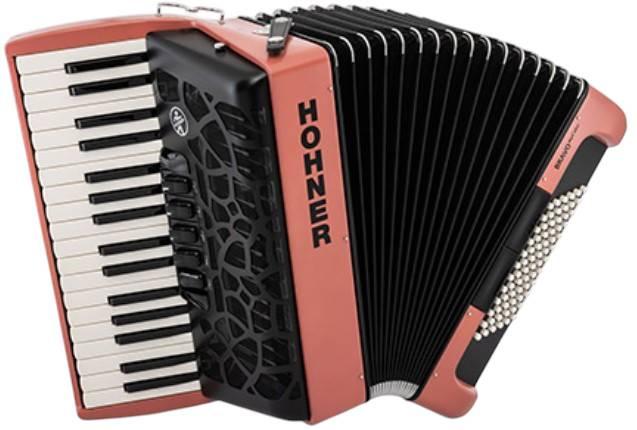
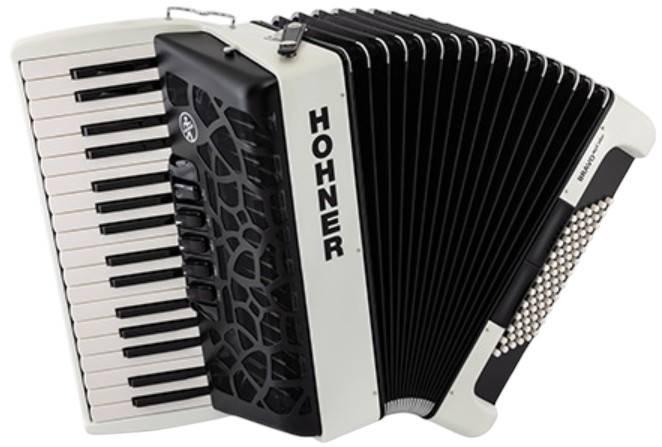
An accordion consists of several main components: the bellows, keys or buttons for the melody side, buttons for the bass side, and reeds that produce the actual sound. The bellows, often made from multiple layers of paper, fabric, and leather, allow air to move through the instrument and create sound. The reeds, located inside the instrument, vibrate when air flows over them, thus producing the characteristic sound of the accordion.
What are the most well-known manufacturers and accordion models?
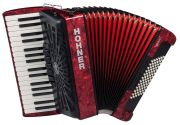
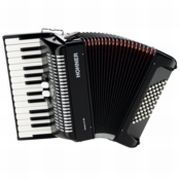
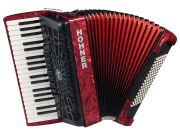
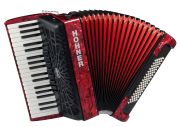
- Hohner: A German company that has been producing accordions for over a century. Models like the "Corona" and the "Club" are well-known in many parts of the world.
- Weltmeister: Founded in Germany, Weltmeister is known for a wide range of accordion models suitable for both beginners and professional players. The combination of traditional craftsmanship and modern technology makes their instruments a popular choice.
- Alpenklang: Known for their robust and high-quality accordions, Alpenklang instruments have made a name for themselves particularly in the folk music scene.
- Roland: A modern manufacturer that produces digital accordions, combining traditional sounds with modern technology.
Do I need accessories?
For starters, you typically only need the accordion itself and possibly a carrying case or bag for transport and storage. Some players also use straps to hold the instrument more comfortably. For the advanced player or professional, additional microphones or pickups may be useful to amplify the instrument, especially in loud environments or during performances. A tuner can also be helpful to ensure the accordion remains in tune.