












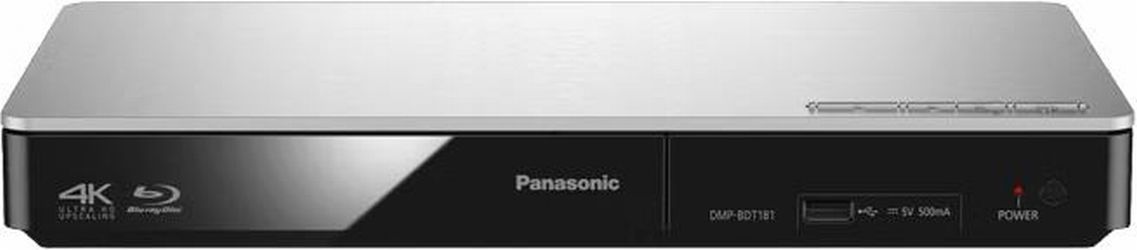
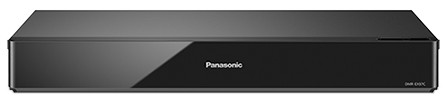





Newly Added Products




Blu-ray & DVD Players: Consumer tips

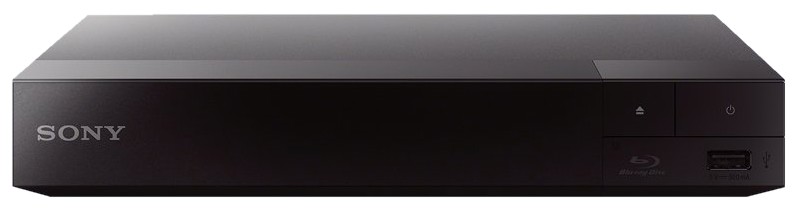
Blu-ray players: the more relevant disc player choice
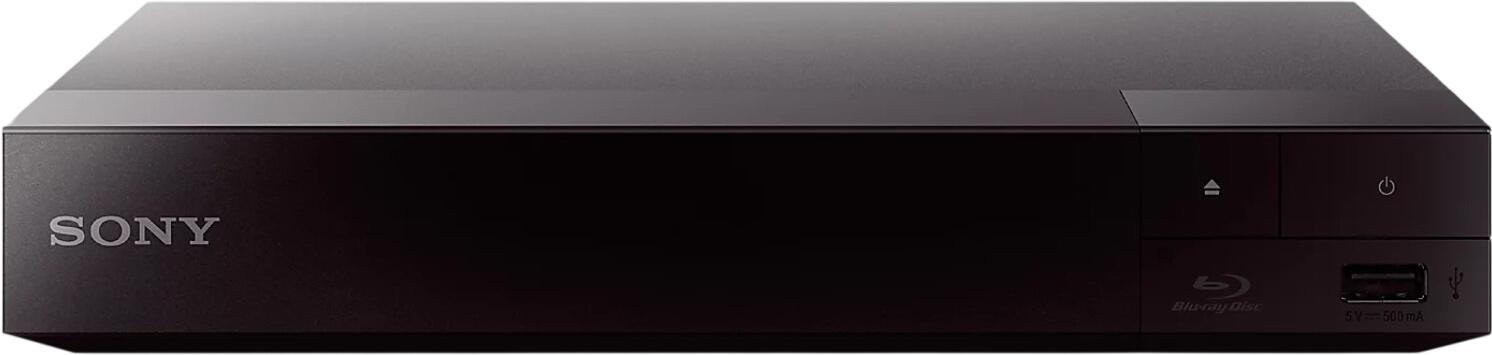
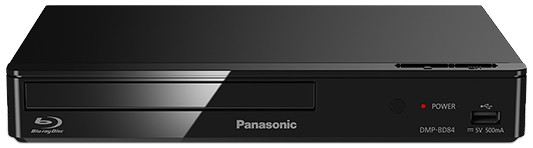
A Blu-ray player is the stronger option for most people still buying a disc player. Blu-ray discs offer much more storage capacity than DVDs, which supports:
- better picture quality
- higher data rates
- stronger audio formats
- improved overall playback performance
Standard Blu-ray films are typically presented in Full HD (1,920 × 1,080), and many players also support advanced audio formats such as Dolby TrueHD and DTS-HD. HDMI is also the main connection method for current TVs and the one most buyers should prioritise for picture quality.
Some Blu-ray players can also improve how DVDs look on a modern television by upscaling them. That will not turn a DVD into true Blu-ray quality, but it can produce a cleaner image on an HD or 4K screen.
DVD players: mainly for older disc collections
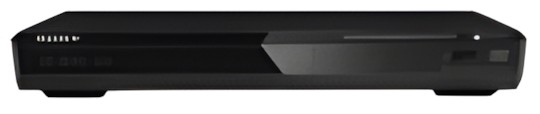
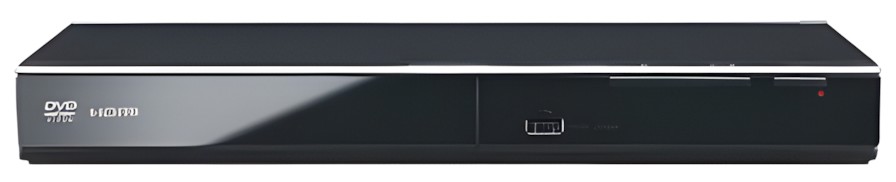
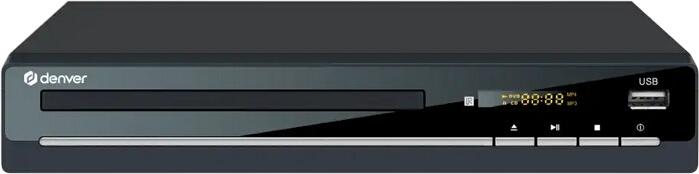
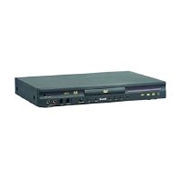
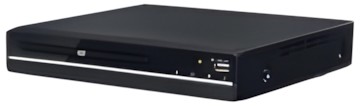
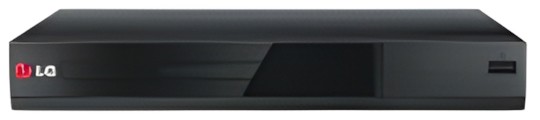
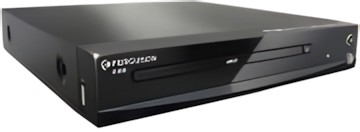
A DVD player is designed to play DVDs and usually standard audio CDs as well. Some models can also handle JPEG image files, USB media playback or limited additional formats, depending on the specification.
DVD players make the most sense if you:
- already own a large DVD library
- want a simple low-cost player for an older television
- need a secondary-room player
- are replacing a failed legacy machine without upgrading to Blu-ray
The main thing to understand is that DVD is now a legacy format in home cinema terms. It still works, but it does not offer the picture quality of Blu-ray, and the product category is less central than it once was.
HDMI is the main connection to care about
HDMI is the primary connection standard for DVD and Blu-ray players in normal use.
For most buyers, that means you should check:
- that the player has HDMI output
- that your TV has a free HDMI input
- whether you need any separate audio connection at all
- whether your TV or sound system supports the formats you want to use
Analogue outputs may still matter if you are connecting to older equipment, but they should now be treated as a compatibility feature rather than the main way to compare players.
What about 4K Blu-ray?
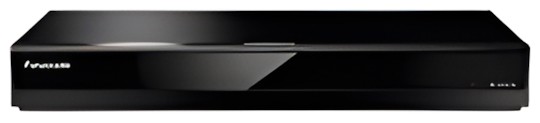
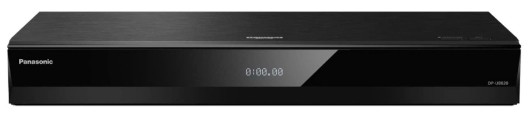
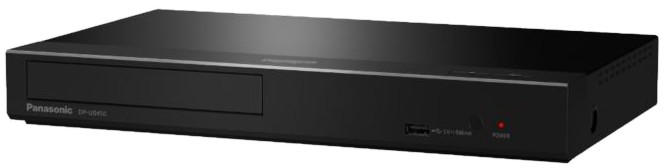
If you are building a more serious home cinema setup, you may also come across Ultra HD Blu-ray players. These sit above standard Blu-ray players and are designed for 4K disc playback on compatible TVs.
A standard Blu-ray player is still a good fit if you mainly want reliable playback of Blu-ray and DVD collections without moving into premium home cinema pricing.
Portable DVD players: a niche category
Portable DVD players do still exist, but they are now a niche rather than a mainstream electronics category. They are mainly relevant if you specifically want:
- a battery-powered player with its own screen
- simple travel playback for older discs
- a solution where streaming is not practical
For most buyers today, a tablet or other portable screen is a more common entertainment device.
Console playback
If disc playback via a console matters to you, check the specification of the exact console model you own or plan to buy.
As a buying guide, it is clearer to compare dedicated players on their own merits: playback support, noise, speed, HDMI features and disc compatibility.
What to check before buying
Whether you choose a DVD or Blu-ray player, the most useful buying checks are:
- supported disc formats
- HDMI output
- USB playback support, if needed
- DVD upscaling capability
- support for your TV resolution
- audio format compatibility
- physical size and design
- remote control simplicity
If you are buying for an older television, check connection compatibility carefully before ordering.
Which type of player suits you?
Choose a DVD player if you:
- mainly want to play older DVDs
- need a budget replacement
- are buying for a spare room or older TV
Choose a Blu-ray player if you:
- want better picture and sound quality
- own Blu-ray discs
- want a more modern disc player for a current TV
- value HDMI-first connectivity
Choose a 4K Blu-ray player if you:
- have a compatible 4K TV
- want the best disc-based film quality
- care about HDR and higher-end home cinema playback