




TV/SAT Cards: Consumer tips

What are TV and satellite tuner cards?
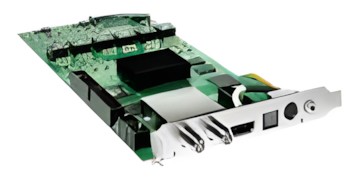
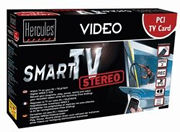
A TV or satellite tuner card is a device that lets a computer receive television signals. Some are installed inside a desktop PC as expansion cards, while others connect externally by USB. Their purpose is broadly the same: to bring live TV onto a computer screen and, in some cases, allow recording to a hard drive or SSD.
These products are usually divided into reception types, because the correct tuner depends on the signal source available in your home.
Which types are available?
The most important distinction is how the TV signal reaches the tuner. For UK buyers, the most relevant reception types are:
- Freeview-compatible terrestrial tuners for over-the-air digital TV via an aerial
- Freesat-compatible satellite tuners for homes using a satellite dish
- Cable-compatible tuners where a compatible cable TV signal is available
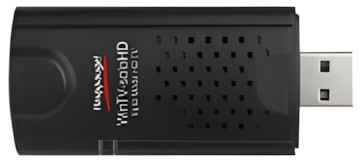
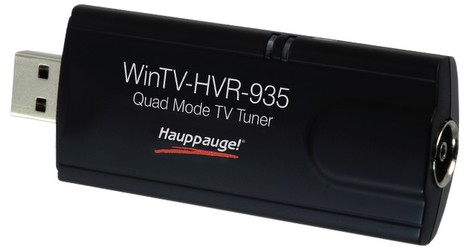
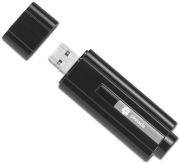
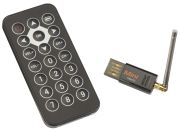
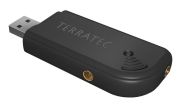
- USB TV tuners for a simpler external setup
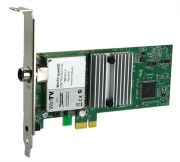
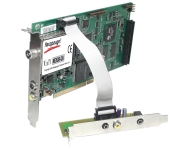
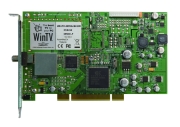
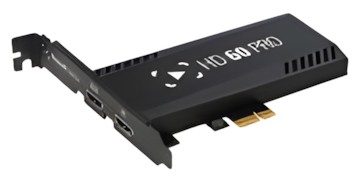
- Internal PCIe tuner cards for desktop PCs that need a more permanent installation
The right choice depends entirely on your household’s reception setup. If your home uses a rooftop aerial for broadcast TV, you need a tuner that supports digital terrestrial reception, which is what shoppers usually associate with Freeview. If you use a satellite dish, a satellite tuner is the relevant category, more closely aligned with Freesat-style reception.
Digital reception is what matters
Modern buying advice for this category should focus only on digital TV reception. Older analogue TV reception is no longer a meaningful buying consideration here. What matters now is matching the tuner to the current digital broadcast source you actually have.
In broad technical terms, tuner devices may support:
- DVB-T/T2 for terrestrial TV
- DVB-S/S2 for satellite TV
- DVB-C for cable TV
For UK shoppers, though, those standards are easier to understand when translated into everyday buying language:
- Freeview / aerial TV = terrestrial tuner
- Freesat / dish-based TV = satellite tuner
- Cable TV = cable-compatible tuner, where relevant
Who still buys a TV tuner for a PC?
This category is now best suited to people with a specific use case, such as:
- Watching live broadcast TV on a desktop PC
- Recording TV programmes to a computer
- Using a media-centre style setup
- Adding TV reception to a monitor-based workspace
- Avoiding a separate set-top box for some broadcast uses
For many casual viewers, a smart TV or streaming service will now be the easier route. But for users who specifically want broadcast reception on a PC, a tuner can still be useful.
What should you consider before buying?
The most important thing is compatibility with your reception source. Before buying, check exactly how your home receives TV.
Useful buying points include:
- Whether you need Freeview, Freesat or cable compatibility
- Whether the tuner is internal or USB
- Whether your PC has the right connection or slot
- Recording and time-shift support
- Software compatibility
- Remote control support on some models
- Antenna or dish connection requirements
It is also worth checking whether the tuner is intended for Windows-based desktop use, because some models have more limited support depending on operating system and bundled software.
Internal card or external USB tuner?
For most users, this comes down to convenience.
- Internal PCIe tuner cards are better for permanent desktop setups
- USB tuners are easier to install and better for simple plug-and-play use
- Desktop users may prefer internal cards for a neater setup
- Laptop or flexible-use users are more likely to benefit from USB tuners
If you want the simplest route, an external USB tuner is often easier. If you are building a media PC or want a more integrated desktop solution, an internal card may make more sense.
A specialist category for broadcast TV users
TV and satellite tuner cards are no longer a mainstream purchase for every computer user, but they still serve a useful purpose for people who want live broadcast TV on a PC. The key is to buy for the signal source you already have, not just the product label.