







Keyboard Instrument Accessories: Consumer Tips

What should you consider when buying keyboard accessories?
Compatibility comes first. Not every stand, pedal or case suits every instrument, so it is important to check dimensions, weight limits, connector types and mounting options before buying. This matters especially with digital pianos, heavier stage pianos and compact MIDI keyboards, which can all have very different design needs.
It is also worth thinking about how and where you play. A home player may care most about comfort and appearance, while a gigging musician may need stronger hardware and better transport protection.
Before buying, check:
- Instrument size and weight
- Pedal compatibility
- Mounting or attachment method
- Portability and storage needs
- Build quality for regular use
- UK plug compatibility where power accessories are involved
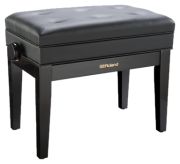
Piano stools and benches
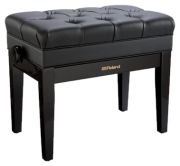
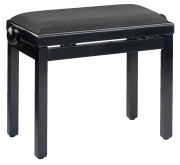
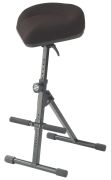
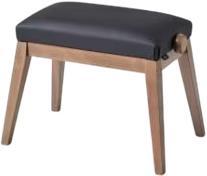
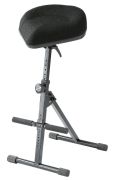
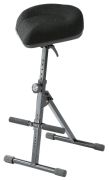
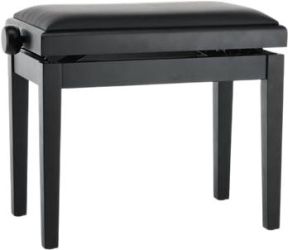
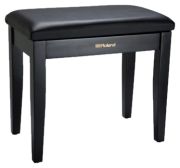
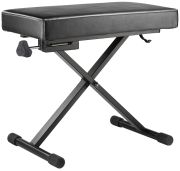
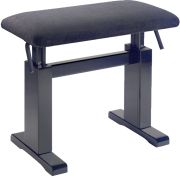
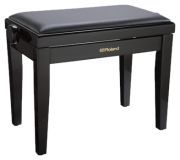
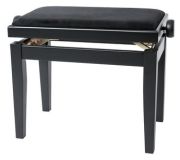
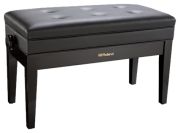
A good piano stool or bench is one of the most important accessories for comfortable playing. The right height helps support better posture, reduces fatigue and makes longer practice sessions much easier. Adjustable models are particularly useful because they allow you to find the right playing position more precisely.
For home use, many players prefer a padded stool or bench that matches the finish of a digital piano. For portable keyboard setups, a lightweight adjustable bench can be more practical.
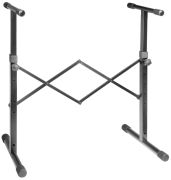
Keyboard stands
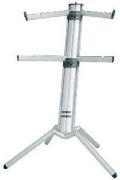
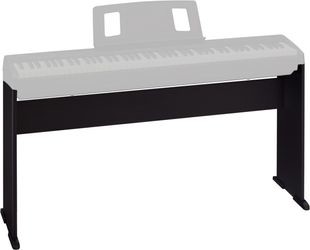
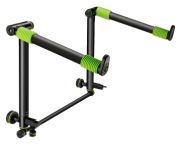
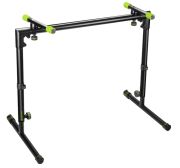
A reliable stand is essential for safe and comfortable positioning. Keyboard stands come in several common formats, and the best choice depends on the instrument’s size, weight and intended use.
Popular types include:
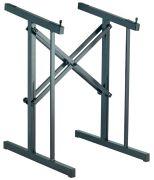
- X-stands: simple, compact and easy to transport
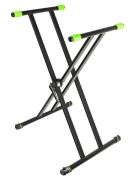
- Double X-stands: sturdier than basic single X designs
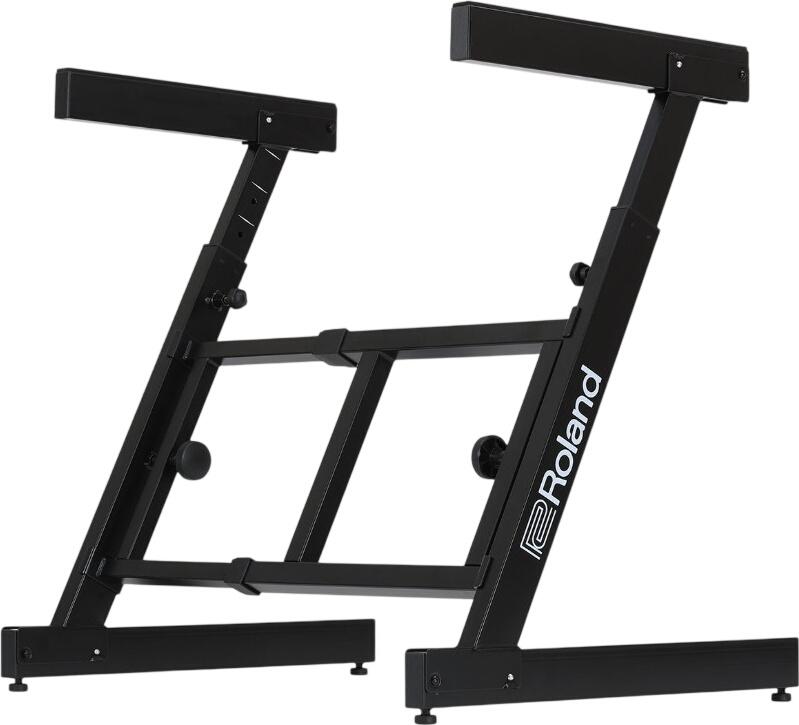
- Z-stands: often preferred for heavier keyboards and stage setups
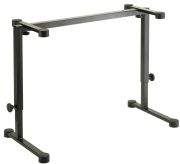
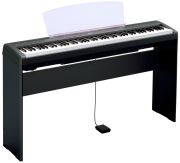
- Table-style stands: useful for stability and studio-style use
If you use a heavier digital piano or stage keyboard, it is worth choosing a stand with a higher weight capacity and a more solid playing feel.
Pedals and pedal compatibility
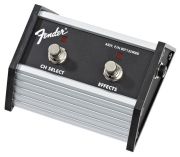
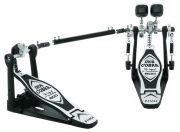
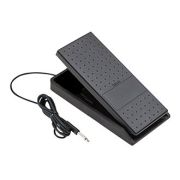
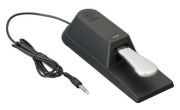
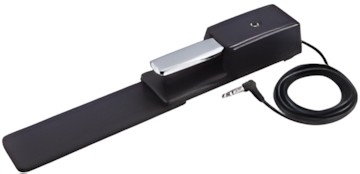
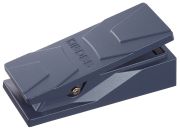
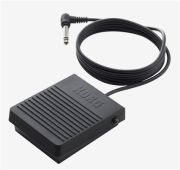
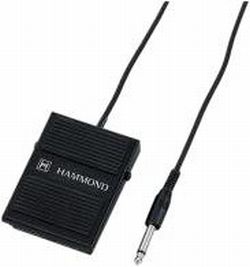
Pedals can add a great deal to expression and control. A simple sustain pedal is often the first extra keyboard players buy, but depending on the instrument, you may also want expression pedals or multi-pedal units.
Useful pedal options include:
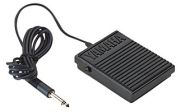
- Sustain pedal for longer note hold and more expressive playing
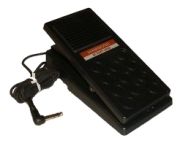
- Expression pedal for volume or parameter control on compatible instruments
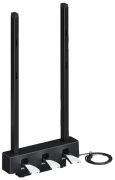
- Triple-pedal unit for digital pianos designed to replicate acoustic piano pedal functions
- Universal pedals for broader compatibility across different brands
It is worth checking pedal polarity and connector compatibility, especially when buying a universal sustain pedal for a keyboard or MIDI controller. Not all pedals behave identically across brands, so compatibility is more important than simply choosing the cheapest model.
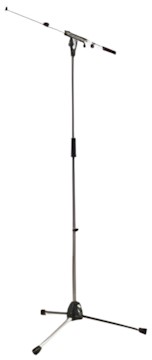
Music stands, tablet holders and reading support
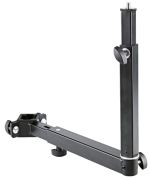
A traditional music stand is still useful, but many players now use tablets for sheet music, lesson apps or backing tracks. That makes tablet holders and combination stand accessories increasingly relevant.
Good options include:
- Adjustable music stands for printed sheet music
- Clip-on stands for compatible keyboards and digital pianos
- Tablet holders for digital sheet music and practice apps
- Combined setups for players who switch between paper and screen-based music
For home practice, a stable tablet holder can be just as useful as a conventional music rest, especially if you use notation apps or online lessons.
Headphones for private practice
Headphones are one of the most practical accessories for digital instruments. They let you practise without disturbing others and help you focus more closely on technique and detail. For many households, this is essential for evening playing or shared living spaces.
When choosing headphones, look for comfort as well as sound quality. Closed-back designs are often a popular choice for digital piano and keyboard practice because they reduce outside noise and keep sound contained.
Transport cases and protective covers
If you move your instrument regularly, a padded case or gig bag is well worth having. For home use, a dust cover can also help keep keys and controls cleaner over time.
Protection options include:
- Dust covers for instruments kept set up at home
- Padded gig bags for lighter keyboards and portable instruments
- Hard cases for touring, heavier transport or valuable stage gear
Always check internal dimensions carefully before buying, especially for keyboards with unusual shapes or fitted controls.
Cables, USB and MIDI accessories
Modern keyboard setups often involve more than just the instrument itself. Many players now connect keyboards to laptops, tablets, audio interfaces or mobile devices for recording, learning or virtual instruments. That makes USB cables, MIDI cables and adapter accessories far more important than they used to be.
Useful modern accessories include:
- USB cables for connecting to computers
- MIDI cables for older hardware setups
- USB-MIDI interfaces where needed
- Audio cables for amps, monitors or recording gear
- Tablet or phone adapters for app-based playing and learning
If you use a MIDI keyboard or controller, these accessories may be just as essential as a stand or pedal.
Metronomes and practice accessories
A metronome remains one of the best practice tools for developing timing. Many players now use apps, but standalone metronomes are still popular because they are simple, reliable and free from distractions.
Other useful practice accessories can include:
- Metronomes
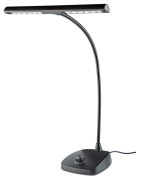
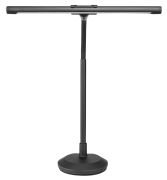
- Practice lamps for music stands
- Finger exercise tools
- Cable organisers for tidy setups
Cleaning and maintenance
Keeping your instrument clean helps it stay looking good and feeling pleasant to play. A soft cloth is usually the safest everyday choice for dust and fingerprints. Specialist cleaning products can be useful, but they should always be suitable for the instrument’s finish and key surfaces.
Well-known accessory brands
A number of established brands are widely stocked and recognised for keyboard accessories. Yamaha and Roland both offer brand-specific and general accessories, while K&M is especially well regarded for stands and music stands. Stagg and Quik Lok are often chosen for practical, affordable hardware, and Boss and Wittner remain familiar names for metronomes and related accessories.
The right accessories make playing easier
You do not need to buy everything at once. For most players, the essentials are a good stand, a comfortable piano stool, a compatible sustain pedal and, if needed, headphones. From there, you can add the accessories that suit your setup best, whether that means a case for transport, a tablet holder for digital sheet music or USB/MIDI accessories for music production.