










Metronome: Consumer Tips

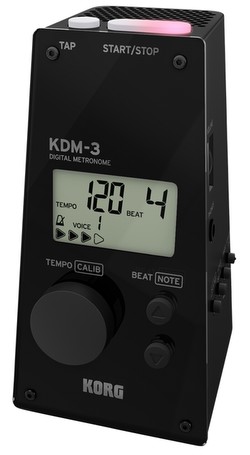
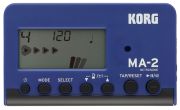
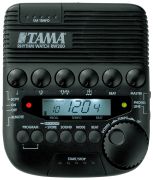
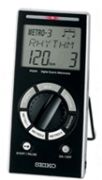
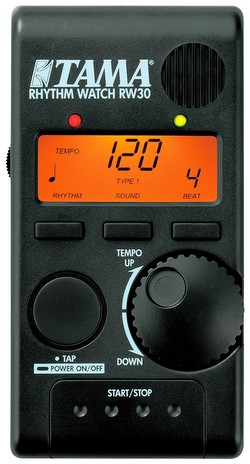
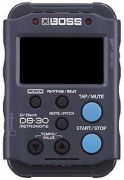
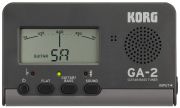
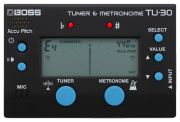
Metronomes come in various forms – from traditional mechanical models to modern digital variants. Mechanical metronomes use a pendulum to indicate a steady beat and are popular for their reliability and classic appearance. Digital metronomes offer more features, including various time signatures, tempo settings, and sometimes even a built-in tuner. For practicing on the go, there are also metronome apps that can be conveniently installed on smartphones or tablets.
Development of the Metronome
The metronome, as we know it today, was developed in the early 19th century by Johann Maelzel, based on earlier designs by Dietrich Nikolaus Winkel. It was a revolution for musicians who had previously relied on less precise methods to keep time. Since then, the metronome has undergone continuous development and is an integral part of the training of musicians across all genres.
Structure and Functionality
A mechanical metronome consists of a swinging pendulum, whose tempo is adjusted by moving a weight along the pendulum arm. The higher the weight, the slower the tempo. Digital metronomes use electronic circuits to control the tempo precisely and often offer additional features such as various time signatures and metronome sounds.
Different Types and Models
In addition to classic mechanical and digital models, there are also hybrid metronomes that combine traditional design with modern features. Some specialised models offer functions such as tap tempo (setting the tempo by tapping) or visual metronomes that indicate the tempo through light signals.
Important Considerations When Buying
When purchasing a metronome, musicians should consider which features are important for their needs. Mechanical metronomes are sturdy and do not require batteries, while digital models offer more flexibility in terms of time signatures and tempo. Portability can also be a crucial factor, especially for musicians who are frequently on the move.