







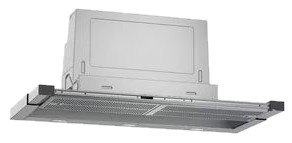
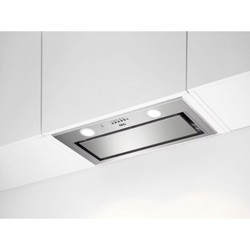
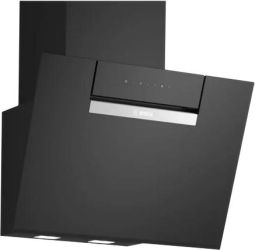

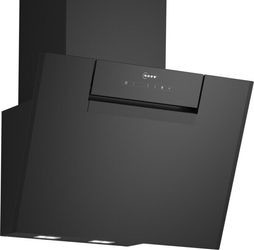

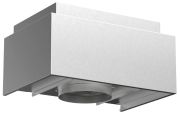
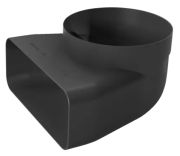

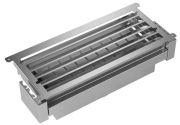
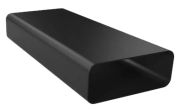
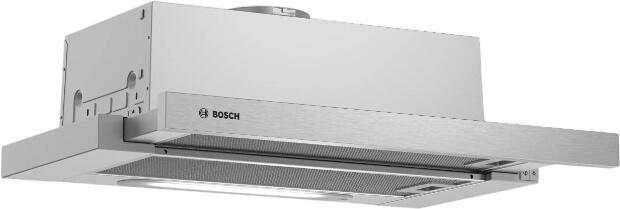
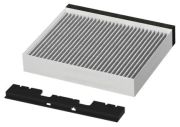
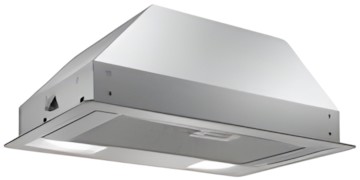
Newly Added Products
Buy extractor hoods cheaply: Consumer tips

Experts also refer to it as a so-called vapour extraction. There are two variants that can be used in the kitchen: On the one hand, you can use ducted extractor hoods that direct the vapour out of the house through wide pipes. On the other hand, there are recirculating models that return the extracted air back into the room after thorough filtering. While the equipment in all cases includes at least a grease filter, a fan, and controls, the design and construction can vary significantly. Of course, one desires an extractor that matches their decor and provides an unobstructed view. But what else should you pay attention to when purchasing an extractor hood?
Recirculating extractor hoods
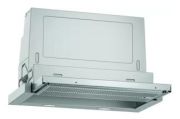
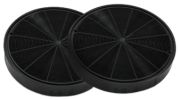
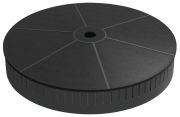
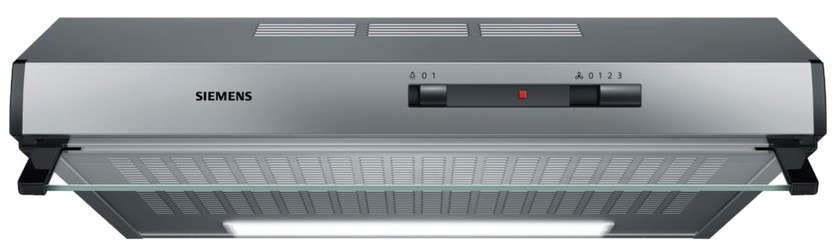
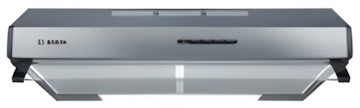
A recirculating extractor hood can be installed in any kitchen. The installation takes place beneath a flat wall cabinet above the cooking area. The extractor sucks in the vapour rising during cooking and draws the air through a grease filter. Another activated carbon filter absorbs unpleasant odours before the air flows back into the room. Recirculating hoods are simple and compact and do not require additional work or installations on the masonry. An extractor hood with a multi-stage fan can also handle large amounts of rising steam. Make sure to clean the filter regularly. If this is no longer possible, it must be replaced. This results in additional costs that you should factor into your calculations.
Extract vapours and steam through a ducted system
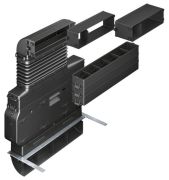
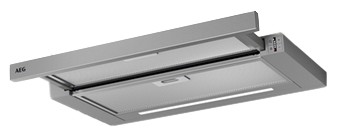
If pipes are already in place or can be installed later, a ducted extractor hood with ducting is a good investment. This variant is generally more expensive than a recirculating extractor, but it eliminates the need for regular purchases of new filters. Modern ducted hoods are often made of stainless steel and have an easily cleanable metal filter. The extracted vapour is expelled from the house after filtering out the grease. Pipes with a diameter of 150 millimetres are used for this purpose. If you have older pipes with a narrower diameter, check beforehand whether the connection with the desired hood is possible. Also, note that the ducted hood must be cleaned regularly, as fats deposited in the filter can catch fire.
Powerful stainless steel extractor hoods for wall and ceiling
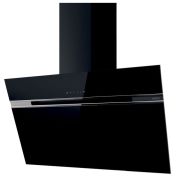
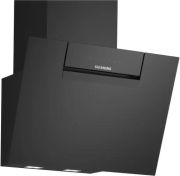
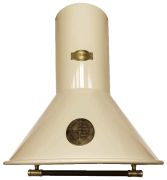
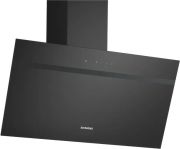
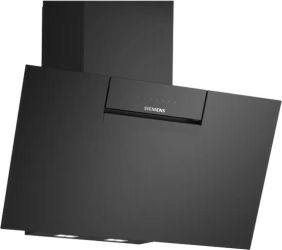
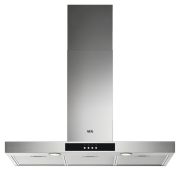
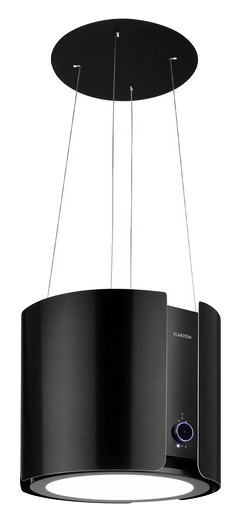
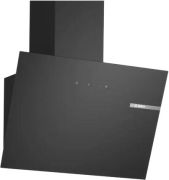
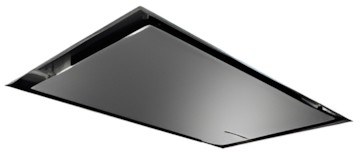
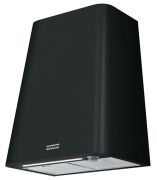
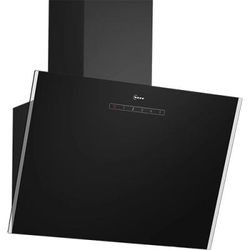
Elegant stainless steel extractor hoods in the form of a chimney hood are available for both wall and ceiling. So-called island hoods not only look good but can also be easily mounted above a cooking island on the ceiling. Digital controls, a powerful adjustable fan, and bright lighting enhance comfort while cooking. A chimney hood for wall mounting measures between 60 and 80 centimetres in width, depending on the model. Large island hoods can be up to 120 centimetres wide. You can find these devices from many well-known manufacturers, including Bauknecht, Klarstein, or Siemens.
This is how to find the right extractor hood for the kitchen
Which extractor hood you can use depends on whether pipes are installed. If so, you can install a ducted extractor. Measure how wide the device can be and choose a model that you like. The stronger the fan and the motors, the more energy is required. Therefore, keep an eye on the power consumption specifications. An extractor that consumes 150 watts at the highest setting uses about 55 kilowatt-hours per year with one hour of use per day. Additionally, there are costs for lighting the work surface. You can save here by choosing a model with energy-efficient LED lamps.
These criteria should be met by an extractor hood
- Coverage of the entire cooking area
- Powerful extraction with one or preferably two fans
- Easy operation via easily accessible buttons or controls
- Quiet operation even at the highest setting, ideally under 60 decibels
- High energy efficiency class
- Easy cleaning, especially for ducted extractor hoods