








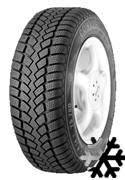
Car winter tyres: Consumer tips
What makes winter tyres different?
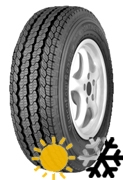
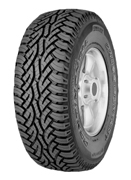
The key difference is in the rubber compound and tread pattern. Winter tyres are built to stay more effective in low temperatures, and they usually have more grooves and sipes to help manage slush, standing water and snow. This can improve traction when roads are cold and slippery. They are most useful when temperatures regularly fall to around 7°C or below, because their rubber compound stays more flexible than a typical summer tyre in low temperatures. That helps the tyre maintain contact with the road when conditions are poor.
In milder or warmer weather, however, winter tyres are generally less precise than summer tyres and may wear faster. That is why they are best suited to sustained cold-weather use rather than typical year-round driving in most parts of the UK.
Are winter tyres mandatory in the UK?
No. In the UK, winter tyres are not legally mandatory for passenger cars. There is no fixed seasonal rule requiring them. Instead, the legal expectation is that your vehicle must remain roadworthy at all times, including having tyres that meet the legal standard and are suitable for safe use.
That means winter tyres are an optional choice in the UK, not a legal obligation. Even so, they can still offer clear safety benefits for drivers who regularly face genuine winter conditions.
What do the M+S marking and Alpine symbol mean?
If you are choosing a winter tyre, it is worth knowing the difference between the M+S marking and the Alpine symbol.
- M+S stands for mud and snow, but on its own it is not a strong guarantee of tested winter performance
- The Alpine symbol (also called 3PMSF) shows that the tyre has passed a recognised snow-traction test
For UK buyers comparing winter or all-season tyres, the Alpine symbol is the more useful indicator if winter performance matters.
How much tread depth do winter tyres need?
For passenger cars in the UK, the legal minimum tread depth is 1.6mm across the central three-quarters of the tread around the full circumference of the tyre. That is the legal threshold, but it is not necessarily the point at which winter performance remains strong.
Many drivers and tyre specialists choose to replace winter tyres earlier if snow and slush performance is important, because traction in winter conditions can decline before the tyre reaches the legal minimum.
When checking tyres, look at:
- Overall tread depth
- Uneven wear across the tyre
- Cuts, bulges or visible damage
- Signs of cracking or ageing
- Tread wear indicators
Uneven wear can suggest incorrect tyre pressure, poor wheel alignment or suspension issues, so it is worth checking all four tyres rather than only looking at one.
When should winter tyres be changed?
There is no official UK changeover date. The right time depends on the weather, where you live and how you use the car. In general, winter tyres are most useful once temperatures are consistently low and wintry road conditions become more likely.
They are less useful in mild conditions, so many UK drivers do not need them every year. If you mainly drive in urban areas with relatively moderate winters, a high-quality all-season tyre may be the more practical choice.
How should winter tyres be chosen?
Winter tyres are sold in premium, mid-range and budget price bands, and performance can vary significantly between models. Price alone does not tell the full story. The best approach is to choose by independent test performance, correct size, intended driving conditions and your vehicle’s requirements.
A good winter tyre choice should match:
- Your exact tyre size
- The load and speed rating required for your car
- The conditions you are most likely to drive in
- Your balance between winter grip, wet braking and wear rate
How should winter tyres be stored?
If you remove winter tyres seasonally, proper storage helps preserve their condition. They should be kept in a cool, dry place, away from direct sunlight, moisture and strong heat sources. It is also sensible to clean them before storage and mark their previous wheel positions so they can be rotated or refitted more easily later.
Storage guidance depends slightly on whether you are storing complete wheels or tyres without rims, so it is best to follow manufacturer advice where available.
What about tyre age and pressure?
Tyre age matters, but it should not be treated as a simple fixed replacement rule on its own. A tyre should be assessed based on its condition, wear, cracking, storage history and manufacturer guidance, not just by the number of years since it was made. If there are visible signs of deterioration, replacement may be necessary even if tread depth still looks acceptable.
Tyre pressure should always be set using the vehicle manufacturer’s recommended values, usually found in the vehicle handbook, door shut area or fuel flap. Even on cars with TPMS, it is still important to check and adjust pressures manually when needed, especially after a seasonal tyre change.
Are snow chains relevant in the UK?
Some winter tyres are compatible with snow chains, but this is not a defining feature of the category and is rarely important for most UK drivers. Snow chains are generally only relevant for more extreme snow conditions or for travel to alpine or heavily snow-affected areas, rather than typical UK roads.