








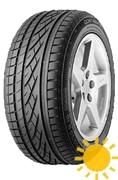
Car summer tyres: Consumer tips
Why summer tyres are different
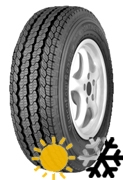
Summer tyres use a tread pattern and rubber compound tailored to warmer road conditions. Compared with winter tyres, they usually have:
- wider tread blocks for better road contact
- fewer small sipes
- grooves shaped to clear water efficiently
- a firmer compound for stable handling in milder and hotter weather
That gives them stronger braking and steering performance in the conditions they are made for. Once temperatures drop and stay low, however, their performance becomes less suitable than winter or all-season alternatives.
For buyers, that means seasonal tyre choice is primarily a safety and performance decision, not a legal requirement to swap at a specific time of year.
What tyre size do you need?
The correct tyre size is essential for safety, handling and legality. A typical marking such as 205/55 R16 91V tells you:
- 205: tyre width in millimetres
- 55: sidewall height as a percentage of width
- R: radial construction
- 16: wheel diameter in inches
- 91: load index
- V: speed rating
For drivers, the easiest places to check the approved tyre size are:
- the vehicle handbook
- the tyre information sticker usually found in the door shut or fuel flap area
- the V5C registration certificate, which can help with vehicle details but should not be your only sizing reference
You must not fit tyres below the required load or speed rating for the vehicle unless explicitly permitted by manufacturer guidance. If you are unsure, a reputable tyre fitter can advise.
Understanding tyre labels
Tyres sold on the UK market must carry tyre labels showing information on:
- fuel efficiency
- wet grip
- external noise classification
DVSA guidance for tyres sold on the UK market refers to the current label framework and notes that labels must give information about those key performance areas. The current system also reflects the newer label format introduced under more recent rules rather than only the older pre-2021 version.
In practice, UK shoppers will often still see the familiar EU-style label presentation on tyres. The important point is not the branding of the regime, but that tyres sold in the UK are required to display this information and that it can help you compare products.
What the label tells you
- Fuel efficiency: helps indicate rolling resistance and potential fuel use
- Wet grip: one of the most useful safety indicators for UK conditions
- External noise: shows how noisy the tyre is outside the vehicle
The label is useful, but it does not tell you everything. It does not fully account for wear rate, long-term durability, dry handling, aquaplaning behaviour in all scenarios or ride comfort, so it should be treated as one comparison tool rather than the whole buying decision.
Premium, mid-range or budget?
Tyres are usually grouped into three broad tiers:
- premium
- mid-range
- budget
Premium brands often invest more heavily in wet braking, wear performance, refinement and consistency across different conditions. Mid-range tyres can offer very strong value, while budget tyres may be tempting on price but can involve more compromise.
As a rule:
- premium tyres often make the most sense for high-mileage drivers, motorway use and drivers who prioritise wet-weather safety
- mid-range tyres can be a strong fit for everyday use if they perform well in independent testing
- budget tyres are best approached carefully, especially if the vehicle is used regularly at motorway speeds or in poor weather
When should summer tyres be replaced?
The legal minimum tread depth for cars, light vans and light trailers is 1.6mm across the central three-quarters of the tread and around the entire circumference. GOV.UK and the Highway Code both confirm this requirement.
That legal minimum is not the same as the best safety threshold. Many drivers replace summer tyres earlier, especially for wet-weather performance. Once tread gets low, braking distances in the wet increase and aquaplaning resistance drops.
Replace tyres if you notice:
- tread approaching the legal minimum
- cracks, cuts or bulges
- uneven wear
- persistent vibration
- a noticeable drop in wet grip
Tyre age also matters, but it should be handled carefully. Michelin advises regular inspection, recommends a professional check after 5 years of use, and says tyres should be replaced by 10 years from the date of manufacture as a precaution, regardless of remaining tread.
So rather than a blanket “5 to 7 years” rule, the better guidance is:
- inspect tyres regularly as they age
- pay attention to condition and performance
- follow vehicle and tyre manufacturer advice
- treat 10 years from manufacture as an upper limit unless the manufacturer specifies otherwise
How to read tyre age
The DOT-style code on the sidewall includes the production week and year. For example:
- 2319 = week 23 of 2019
This helps you check age when buying or inspecting tyres, especially if a vehicle has covered low mileage but the tyres may still be old.
Storage and seasonal changes
If you change between summer and winter tyres, proper storage helps preserve condition. Tyres should be kept:
- in a cool, dry place
- away from direct sunlight
- away from strong ozone sources or heat
- clean and clearly marked by position on the car
Complete wheels can usually be stored differently from loose tyres, but the exact method depends on whether they are mounted on rims. If you are not storing them at home, many tyre fitters do offer hotel or storage services, but pricing varies widely by area, wheel size and whether fitting is included. Because those charges are highly retailer-dependent, it is better to treat any storage quote as illustrative only and compare local providers before booking.
Fitting and aftercare
After a tyre change, make sure:
- tyre pressures are set to the manufacturer’s recommendation
- wheel balancing is carried out where needed
- wheel bolts or nuts are tightened to the correct torque
- any follow-up checks recommended by the fitter are completed
Some fitters advise a re-check after the first period of driving, but this should be based on fitter or manufacturer guidance rather than treated as a universal rule for every car.
Legal basics to remember
For cars, light vans and light trailers in the UK:
- tread depth must be at least 1.6mm
- tyres must be free from serious cuts, bulges and defects
- the vehicle must remain roadworthy at all times