






Car all-terrain tyres: Consumer tips
What are all-terrain tyres?
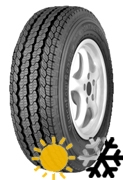
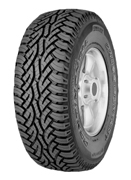
All-terrain tyres, often shortened to A/T tyres, are built to work across a wider mix of surfaces than normal road tyres. They usually have:
- A more aggressive tread pattern
- Larger tread blocks
- Deeper grooves for clearing mud and loose material
- Stronger sidewalls than many standard road tyres
- A design aimed at balancing road use with off-road grip
The key difference is that they are intended to handle rougher ground without giving up road legality. However, they are still a compromise. They are usually noisier on tarmac, may affect fuel economy and often do not match a dedicated road tyre for wet braking, cornering feel or everyday refinement.
All-terrain or mud-terrain: which is right for you?
This is one of the most important decisions. Not every off-road-looking tyre is designed for the same type of driving.
A simple guide:
- All-terrain (A/T) tyres: best for mixed use, including road driving, gravel, light mud and occasional off-road trips
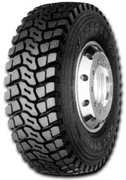
- Mud-terrain (M/T) tyres: best for much more serious off-road use, such as deep mud, ruts and rougher terrain
- Road-biased all-terrain tyres: better for drivers who want rugged styling and occasional extra capability without extreme compromises
For most UK drivers, A/T tyres are the better fit. They make more sense for green lanes, farms, campsites, towing on mixed surfaces and rural use. M/T tyres are more specialised and can be louder, less refined and less comfortable on normal roads.
Are all-terrain tyres road-legal in the UK?
Yes, all-terrain tyres can be road-legal in the UK as long as they meet the relevant requirements for your vehicle and are correctly specified. They should match the vehicle’s required size, load index and speed rating, and they must remain in roadworthy condition.
For UK drivers, the key checks are:
- Correct tyre size
- Correct load index
- Correct speed rating
- Road-legal approval marking
- Tread depth and overall condition
- Suitability for the vehicle and intended use
Tyres are assessed as part of normal UK MOT roadworthiness standards, not under any German-style inspection system. Always check the owner’s handbook, tyre placard or manufacturer guidance before changing size or specification.
What about winter use?
In the UK, there is no general legal requirement to fit winter tyres. That also means there is no blanket legal obligation to use all-terrain tyres with winter markings. If winter capability matters, the most useful performance indicator is the Alpine symbol (3PMSF), which shows that a tyre has passed a recognised snow-traction test.
That is different from assuming all A/T tyres are automatically winter-suitable. Some are, some are not. Winter performance depends on the specific tyre model, not simply the fact that it is classed as A/T or M/T.
For UK buyers:
- The Alpine symbol is a performance indicator, not a general UK legal requirement
- Not all all-terrain tyres have the same winter capability
- A specialised winter tyre may still outperform an A/T tyre in severe cold, snow or ice
How do they perform on different surfaces?
All-terrain tyres are designed to be versatile, but performance varies depending on the surface and the exact tyre.
In general:
- On gravel and tracks: A/T tyres usually perform well
- On mud: stronger A/T models can cope, but M/T tyres are better for deeper or heavier mud
- On sand: A/T tyres can work well depending on vehicle, pressure and terrain
- On rocks and rough ground: stronger sidewalls and chunkier tread help
- On normal roads: they often bring more noise and less sharp handling than road tyres
- In wet conditions: results vary a lot by model, so independent tests matter
It is best not to rely on broad rules such as one compound always being softer than a road tyre. Modern A/T designs vary widely, and some are tuned more for durability, some for wet grip and others for winter or mixed-use performance.
Speed ratings and everyday road use
Many all-terrain tyres do have lower speed ratings than road-focused tyres, but this is not a fixed rule. Speed ratings vary by model and size, and some higher-rated options do exist. The key is to choose a tyre that matches the vehicle manufacturer’s requirements.
That means buyers should not assume that A/T tyres are automatically limited to one specific rating. Always check the tyre specification against the vehicle’s approved fitment.
Fuel economy, comfort and road noise
All-terrain tyres usually create more rolling resistance than standard road tyres, which can increase fuel use. However, the effect is highly variable and depends on:
- The tyre design
- Vehicle type
- Load carried
- Driving style
- Road conditions
The same applies to noise and comfort. Some A/T tyres are relatively civilised on-road, while others feel much more rugged and obvious in daily driving. If most of your mileage is on tarmac, this trade-off matters a lot.
What sizes and dimensions make sense?
Tyre size changes should be approached carefully. Larger overall diameters and taller sidewalls can help with clearance and off-road flexibility, but they must still be suitable for the vehicle. Not every size that physically fits is automatically appropriate or approved.
Before changing size, check:
- The owner’s handbook
- The tyre information label or placard
- Wheel and tyre clearance
- Load and speed requirements
- Whether the setup is suitable for your 4x4 or AWD system
All four tyres should match correctly, especially on four-wheel-drive vehicles, where rolling circumference differences can cause problems.
What should you consider when buying?
The best all-terrain tyre depends on how often you actually leave the road and what kind of off-road use you face. A realistic assessment of your driving is more useful than buying the most aggressive tread pattern available.
Important buying points include:
- How much of your driving is on-road versus off-road
- Whether you need winter capability
- Correct size, load index and speed rating
- Noise and comfort expectations
- Manufacturer guidance and independent test results
- Sidewall strength if rough terrain is a regular part of use
Tyre age matters too, but there is no need to follow an overly strict “not older than one year” rule as a blanket buying guide. What matters more is the tyre’s condition, storage history and manufacturer guidance, alongside visible signs of ageing or damage.
After fitting, it is sensible to follow any bedding-in advice from the tyre maker and to monitor wear, pressure and handling closely during the first period of use.
A practical choice for mixed use
All-terrain tyres can be an excellent choice if you regularly combine road driving with rougher surfaces and want a tyre that can handle more than a normal road pattern. For most UK buyers, A/T tyres make more sense than extreme mud-terrain options because they offer a more practical balance of usability, capability and everyday comfort.