







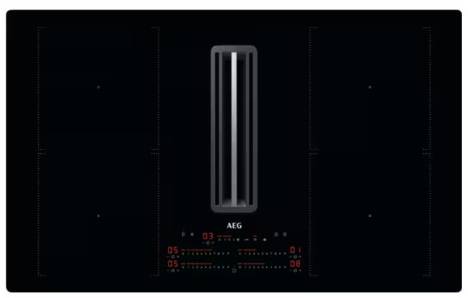
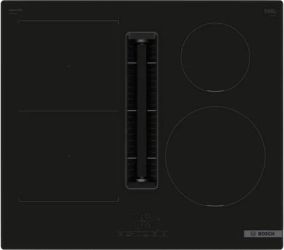
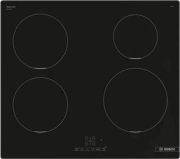
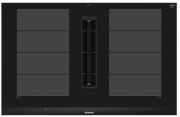
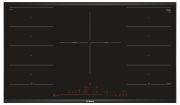
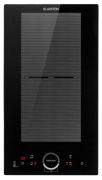

Hob: Consumer tips

Hobs and ovens are also offered separately and not exclusively as a combination unit. This gives you greater flexibility in kitchen design overall. A so-called independent hob has its own control element and can therefore be used independently of an oven.
What types of independent hobs are there?
Typically, hobs have four (sometimes up to six) different cooking zones of varying sizes and heating power, allowing pots of all sizes to be heated without excessive energy loss.
In principle, hobs are distinguished by the type of heat generation:
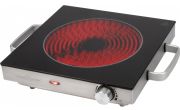
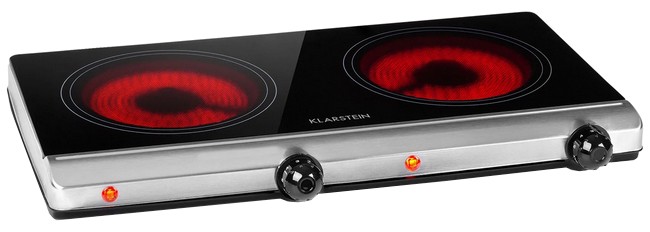
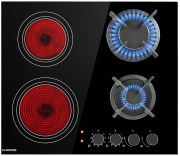
Radiant heat hob
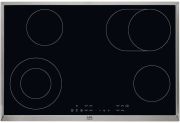
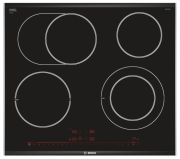
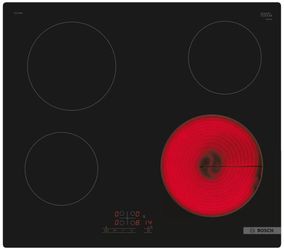
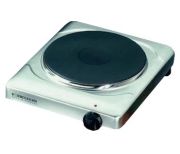
Glowing heating coils generate heat under a glass ceramic surface or cast iron cooking plates (solid hobs). The latter have become somewhat rarer today, but they are also cheaper.
Overall, this technology is relatively slow compared to induction in terms of heat development – however, radiant heat has a slight edge over gas.
You can get solid hobs from around 100 pounds, while glass ceramic models typically cost at least 200 pounds.
- Advantages: inexpensive to purchase and solid heat development
- Disadvantages: high surface temperature, which can cause food residues to burn onto the surface quickly
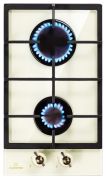
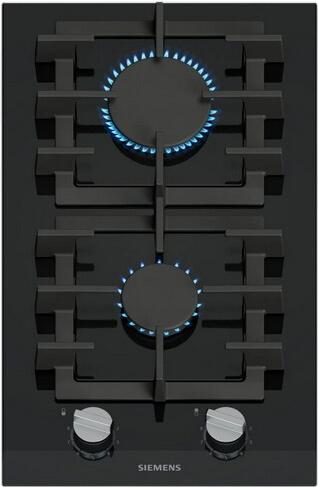
Gas hob
Gas hobs heat pots and pans using an open gas flame. They are usually made of stainless steel with cast iron pot supports. Once the gas is turned off, a gas hob no longer emits heat.
Due to the use of gas, these hobs are particularly economical and cheap in terms of energy consumption. However, it is important to have a gas connection in your kitchen, which is not available in every building. Alternatively, a solution with replaceable gas bottles is conceivable. In this case, you should inform yourself about the regulations that apply to you.
Gas hobs start at a similar low price point as radiant heat variants. You can generally start cooking over a gas flame from around 120 pounds.
- Advantages: The heating energy is immediately available, the heat can be precisely regulated, and the use of the hob is overall very economical in terms of running costs.
- Disadvantages: Heat is often not transferred evenly, installation is subject to many requirements, and pot handles can become very hot as heat flows past them.
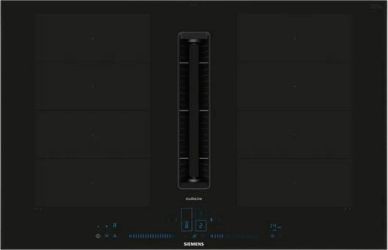
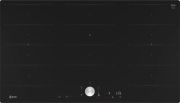
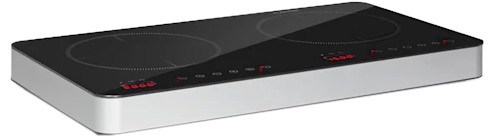
Induction hob
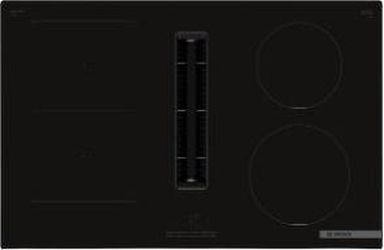
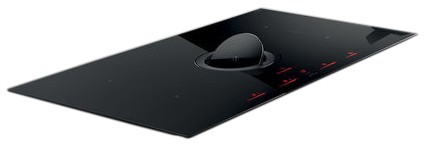
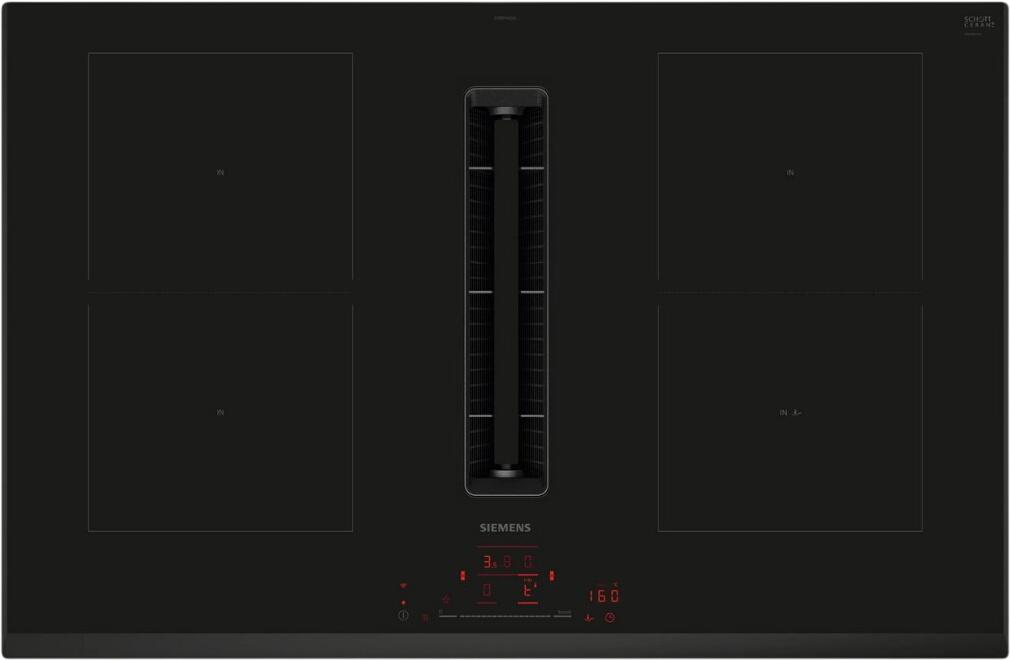
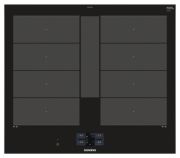
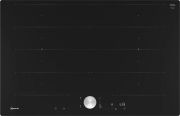
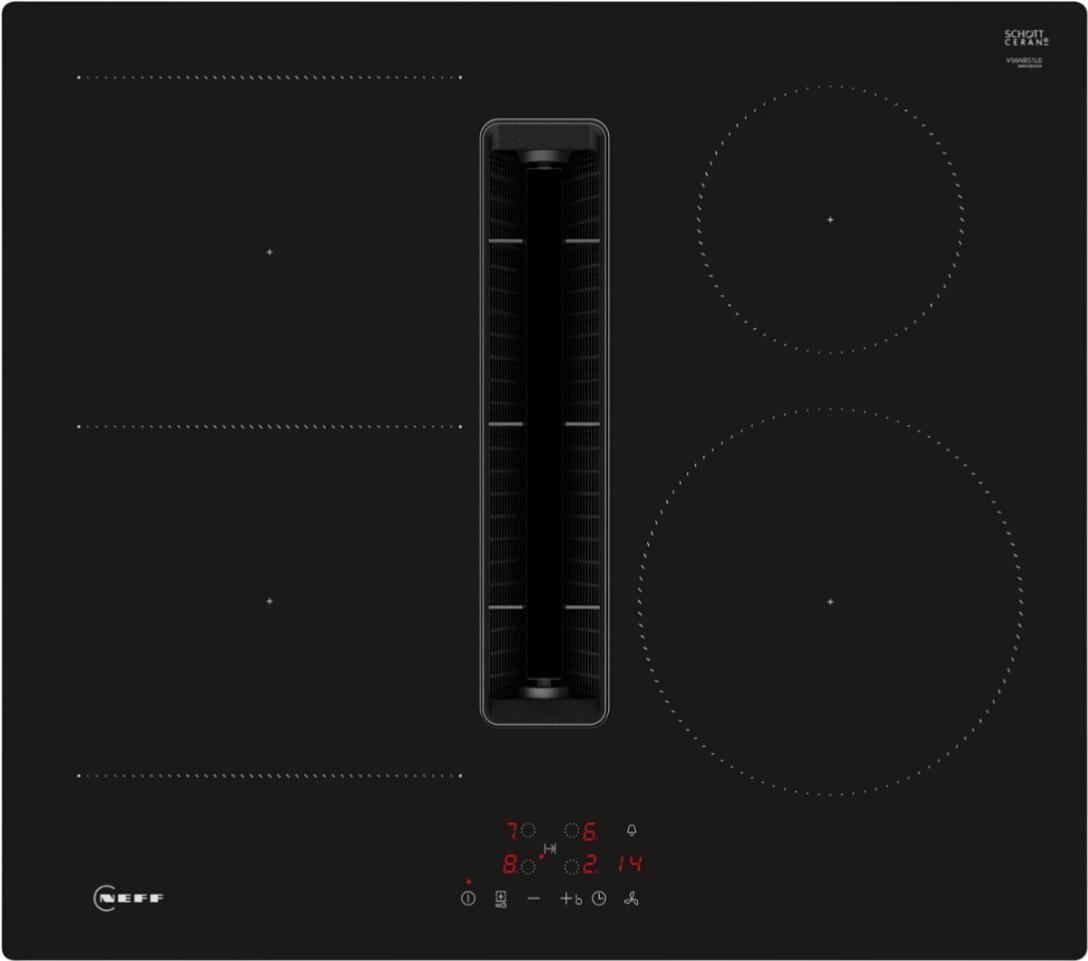
Induction hobs generate a magnetic alternating field that induces a current in the base of the pots, acting as a short circuit. The induced current is converted into heat by the electrical resistance of the pot base. However, cookware with a magnetisable base is required for this.
Because the heat is generated not under the glass ceramic but in the pot base, the surface is only heated by the radiated heat from the pot base and is therefore easy to clean, as boiled-over liquids cannot burn on. Furthermore, heat is only generated when suitable cookware is placed on the cooking zone. Cooking times can be up to 55 percent shorter depending on the cookware, quantity, and setting – tests show that the energy efficiency of induction hobs is up to 20 percent better than that of radiant heat hobs.
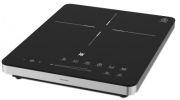
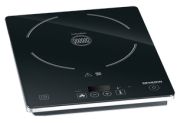
Whether the prices for an induction hob are cheap or expensive depends largely on the model. A standard built-in hob with four cooking zones can be obtained for under 200 pounds. If you want to have induction technology as an addition to your existing cooker, there are also individual plates available from around 35 pounds that you can plug directly into a free socket.
- Advantages: quick heat generation, models with variable cooking zones available, relatively low temperature of the cooking surface, making it very easy to clean
- Disadvantages: suitable only for magnetisable cookware made of steel or cast iron, can produce disturbing noises during operation
Note for people with electronic implants: If you have, for example, a defibrillator or pacemaker, you should consult your doctor beforehand to see if using an induction hob is safe for you. The magnetic stray fields generated during operation can theoretically have a negative effect on such implants.
And what is a ceramic hob?
A ceramic hob is a protected term that describes a specific type of glass ceramic. This is manufactured by Schott Glassworks.
Originally, the manufacturer had little to no competition in the field of glass ceramic hobs, which is why the term ceramic hob, whether independent or built-in, has become firmly established in our everyday language – similar to the term 'Tempo tissue'. However, there are now several other brands for this type of surface material from radiant heat or induction cooktops.
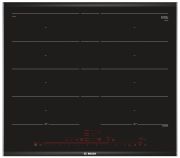
In principle, if you want to buy a ceramic hob, you will not find specific products with such a designation. Most manufacturers of hobs, such as Miele, Siemens, or Bosch, use the branded material in their devices. Therefore, the price of a ceramic hob can also vary significantly. When comparing prices, pay attention to indications regarding the glass ceramic used.
Buying an independent hob: These differences should be considered when purchasing
Flush-mounted cooking zones blend harmoniously into the worktop and are easy to clean, as the frameless design has no edges or transitions where dirt can accumulate. An individual cooking zone indicator provides safety, as a symbol lights up on the control panel of the electric cooker for each activated cooking zone, allowing you to quickly identify which zones are on.
Practical are triple and double cooking zones that can be used in different diameters, allowing for optimal adaptation to different cookware sizes. Removable grates have proven useful for gas hobs to clean the gas cooking surface. Triple burners (three gas rings) can be adjusted as desired, allowing the entire pan or pot to be adequately heated.
Economical or high-power burners are also useful, as they can be used with a small flame for smaller pots or a large flame and maximum power for larger pots, ensuring that, for example, the economical burner does not waste too much energy on the sides of the pot. Maximum flexibility is offered by so-called domino elements. With these individual modules, cooking zones can be assembled or supplemented in a completely individual manner. This allows for a combination of gas cooking zones, electric cooking zones, a fryer, or a barbecue grill, as well as a special wok burner.
Conclusion
The flexibility in kitchen design offered by independent hobs speaks for itself. However, installation requires a bit more planning than if you were to choose, for example, a freestanding cooker. By combining a separate hob and oven, you can also save money depending on the variants compared to a set or, for example, a freestanding unit.
Which type of heat generation is ideal for you is ultimately a matter of personal preference. While dedicated cooking enthusiasts swear by a gas hob, induction hobs generally receive good reviews in most tests from both amateur and professional testers.
Whether you want to buy any hob or a specific ceramic hob: the perfect device will ultimately result from a range of different factors for you. In our compilation of selected tests, you can get a comprehensive picture of various models in terms of energy efficiency, heating performance, and usability.