















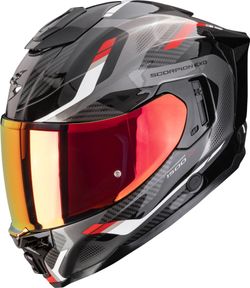

Motorcycle helmets: Consumer tips

It has been proven that the helmet significantly protects against severe head injuries in a serious traffic accident and improves the rider's chances of survival. The helmet must be tested according to the European standard ECE R 22.
What types of helmets are there?
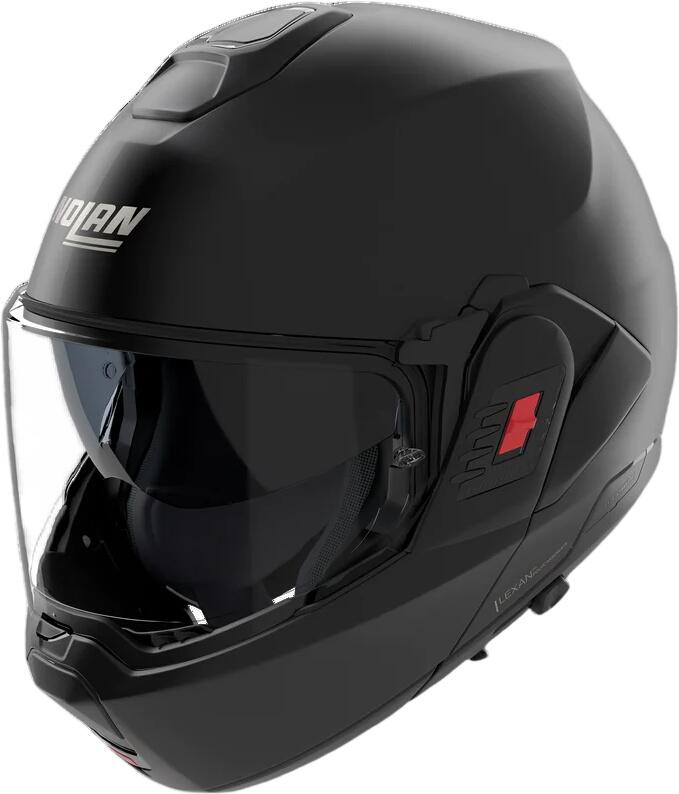
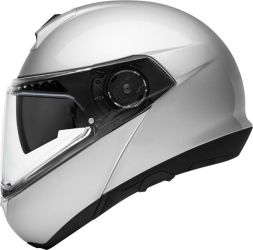
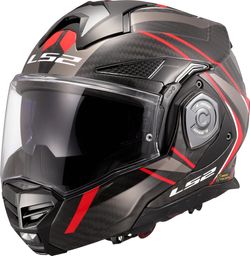
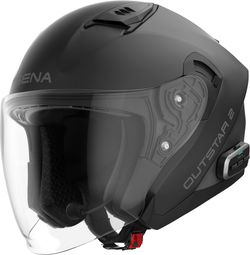
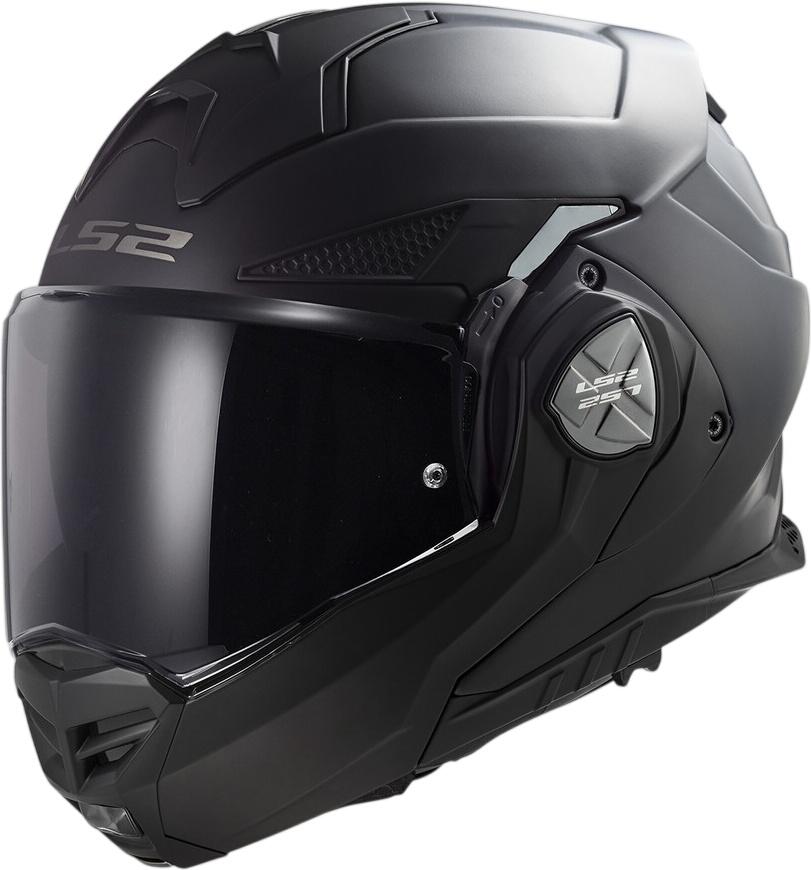
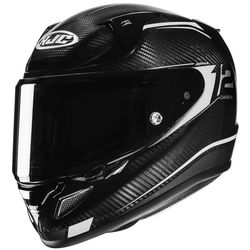
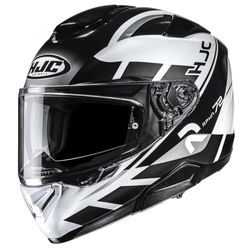
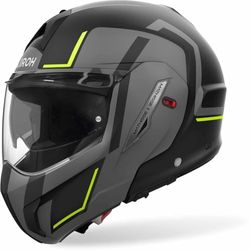
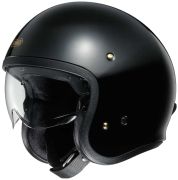
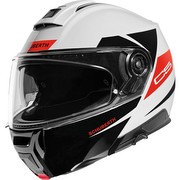
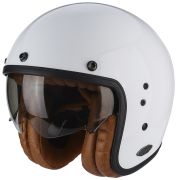
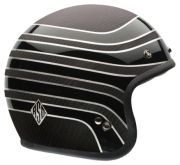
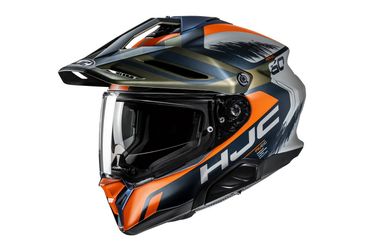
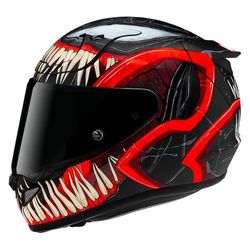
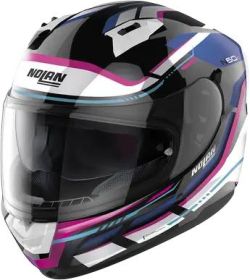
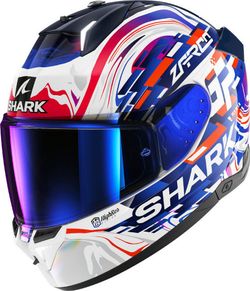
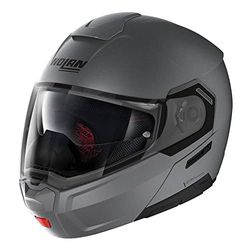
Full-face helmets offer the best protection. These full-visor helmets with a fixed chin section protect against facial injuries in frontal collisions and are comfortable to wear all year round. The jet helmet / city helmet / police helmet is open in the facial area and offers no protection for the face and chin. To protect the eyes, motorcycle goggles must be worn. They are particularly uncomfortable to wear in rain and cold. A compromise between a jet and a full-face helmet is the flip-up helmet / system helmet. Here, the chin protection along with the visor can be flipped up, which is especially convenient for glasses wearers and makes putting on and taking off much easier. Additionally, you can drink or eat without having to remove the helmet. For off-road riders, enduro or cross helmets are recommended. The facial protection is ensured by a sturdy chin bar. The important airflow during physical exertion is facilitated by the large visor opening. Motorcycle goggles are essential, and for off-road rides, tear-off lenses that can be removed without stopping when the goggles get dirty are also useful.
What should you pay attention to when buying?
In any case, you should pay attention to the test mark according to ECE R 22.05. Tests according to other standards (OMK/ONS, AFNOR, BSI) are also beneficial. Furthermore, the fit is the most important criterion. Plan for at least a 10-minute fitting, as only then will any pressure points and skin incompatibility of the lining become apparent. The helmet should fit snugly but not cause pressure points on the forehead, temples, or cheeks. When turning the helmet, the scalp at the forehead should move with it. The padding should also rest on the top of your head in the area of the crown. The chin should be enclosed, and there should be at least a finger's width of space between the chin and the helmet. Do not choose a helmet that is too large, as the inner padding will give a little during use. With the chin strap closed and correctly adjusted, your helmet should not be able to be pulled off your head forward, even with significant force. Furthermore, the chin strap should not rest on the larynx, the chin strap buckle should not press against the lower jawbone, and the closure should open and close easily. The visor should be hard, impact-resistant, and scratch-resistant, and should not shatter. Additionally, the field of vision, especially laterally, should be large enough, and the visor should be easy to open and close even with gloves on. Every good helmet has a detent where the visor is almost closed, allowing fresh air to prevent fogging while keeping out most water. A permanent anti-fog coating is also helpful. Helmets whose visors can be changed with a few simple steps are advantageous, allowing you to lower a tinted visor in sunny conditions. With the visor closed, air exchange should still be sufficient. New models often have a removable, washable inner lining. Additionally, parts such as cheek pads or top pads can sometimes be adjusted to your needs. Sound insulation and a comprehensive repair and spare parts service from the manufacturer are also useful. In the event of an accident, a relatively light helmet (around 1,500 grams) puts much less strain on the neck vertebrae. Despite the cost of between 250 and over 500 pounds, the helmet is not an investment for eternity. After 4 to 5 years, but at the latest after 7 years, the helmet must be replaced - even if it has hardly been used. After this time, the cushioning material loses its plasticiser, and the protective effect diminishes.