








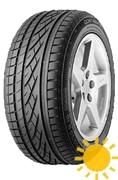
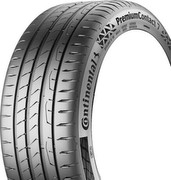
Car summer tyres: Consumer tips
Why summer tyres and how do they differ?
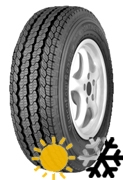
Summer tyres are specifically designed for warm temperatures starting from around seven degrees Celsius and offer the best performance on dry and wet roads under these conditions. The rubber compound is generally harder than that of winter tyres and therefore does not become too soft at higher temperatures, allowing the tyres to maintain their shape and ensure optimal contact with the road. The tread design also differs significantly from winter tyres: instead of many small sipes for grip on snowy roads, summer tyres have wider tread blocks and fewer cuts, which increases the contact area and improves the transfer of braking and driving forces. The tread grooves are optimised to efficiently channel water away and prevent aquaplaning. Summer tyres also use silica compounds in the rubber mixture, which reduce rolling resistance while improving wet grip. This leads to lower fuel consumption and increased safety in the rain. The sidewalls are constructed to be stiffer than those of winter tyres, allowing for more precise steering response and better handling in corners. However, at temperatures below seven degrees, the rubber compound hardens significantly, leading to a noticeable decrease in grip and an extended braking distance. Therefore, seasonal tyre changes are not only legally recommended but also essential for safety.
What tyre size do I need for my vehicle?
The correct tyre size is crucial for safety, driving behaviour, and the legal compliance of the vehicle. The tyre size is recorded in the vehicle registration document Part I (formerly the vehicle certificate) and follows a standardised system. A typical designation like 205/55 R16 91V contains all the important information: The first number (205) indicates the tyre width in millimetres, the second number (55) indicates the aspect ratio of sidewall height to tyre width in percentage. The "R" stands for radial tyres, and the 16 indicates the rim diameter in inches. The load index (91) defines the maximum load per tyre, while the speed symbol (V) indicates the permissible maximum speed. Various dimensions can be used for tyre width. Wider tyres offer more grip and better handling but also increase rolling resistance and thus fuel consumption. Lower sidewalls (lower aspect ratio) improve driving dynamics but can reduce ride comfort and are more susceptible to damage from curbs or potholes. The minimum requirements for load and speed indices must not be undercut, but higher values are permissible and even recommended. If in doubt, tyre specialists can assist in selecting the optimal dimension.
What do the specifications on the EU tyre label mean?
The EU tyre label has been mandatory for all new car tyres since 2012 and provides consumers with a standardised assessment of important characteristics. Similar to household appliances, three main criteria are evaluated: fuel efficiency, wet grip, and external rolling noise. Fuel efficiency is classified from A to E, with the difference between classes representing about 0.1 litres of fuel consumption per 100 kilometres. With an annual mileage of 15,000 kilometres, tyres in class A can save up to 80 pounds annually in fuel costs compared to E tyres. Wet grip is also rated from A to E and indicates braking performance on wet roads. The difference between A and E means that the braking distance can increase by up to 18 metres at 80 km/h, which is a critical safety factor. The external rolling noise is measured in decibels and categorised into three wave symbols. Quieter tyres not only reduce noise pollution for residents but also lower the interior noise level. Since 2021, the label includes additional symbols for snow and ice grip as well as a QR code for further product information. However, it is important to note that the label only evaluates three of many tyre characteristics. Factors such as wear resistance, aquaplaning resistance, or driving stability are not considered.
Premium, mid-range or budget – which tyres are worth it?
The tyre market is divided into three main categories, which differ significantly in price, performance, and technology. Premium tyres from manufacturers such as Continental, Michelin or Bridgestone cost between 100 and 200 pounds per tyre, but offer cutting-edge technology and the best performance in all areas. They have balanced characteristics in dry and wet grip, low rolling resistance, high mileage, and feature innovative attributes such as self-sealing properties (Seal Technology) or run-flat capabilities. Mid-range tyres from brands like Falken, Kumho or Nexen cost around 60 to 120 pounds per tyre and offer good value for money. They achieve good ratings in the most important categories but may show compromises in specific characteristics such as aquaplaning resistance or wear resistance. Budget tyres under 60 pounds per tyre can be an option for low-mileage drivers or older vehicles, but they may show significant weaknesses in safety features or durability.
When should summer tyres be changed?
Tread depth is the most important indicator when changing tyres. The legal minimum tread depth is 1.6 millimetres, but it is advisable to change summer tyres when there is only 3 millimetres of tread left. With insufficient tread, braking distances on wet roads increase dramatically, and the risk of aquaplaning rises significantly. In addition to tread depth, the age of the typoundis crucial. The DOT number on the sidewall indicates the production date: "2319" means, for example, the 23rd calendar week of 2019. Tyres should be replaced after a maximum of ten years, regardless of tread depth, as the rubber hardens and loses its necessary properties. Even after six years, performance decreases, and timely replacement is advisable. Visible damage such as cracks, bulges, or uneven wear is also a reason for changing tyres. Uneven wear indicates problems with the suspension, alignment, or incorrect tyre pressure.
How to store summer tyres properly and what to consider when changing?
Summer tyres should be stored during the winter months in a cool, dry, and dark place, ideally at temperatures between 10 and 25 degrees Celsius. UV radiation, ozone, and extreme temperatures can cause the rubber to age prematurely and become brittle. Complete wheels (tyres on rims) can be stacked lying down or hung on special wall mounts, with the air pressure being increased by about 0.5 bar to avoid flat spots. Tyres without rims should be stored upright and turned regularly by a quarter turn to prevent deformation. Before storage, the tyres should be cleaned and checked for damage. Marking the position (FL = front left, RR = rear right) makes correct reinstallation easier. When changing tyres seasonally, do not forget to check the tyre pressure and adjust if necessary, as incorrect tyre pressure can lead to uneven wear and increased fuel consumption. The wheel bolts must be tightened to the specified torque after changing and re-tightened after 50 to 100 kilometres. Professional tyre dealers offer storage services for about 30 to 60 pounds per season, which is particularly useful for drivers without suitable storage space or the necessary equipment. Usually, the mounting and balancing of the wheels poundalso included.
When should I fit summer tyres?
Summer tyres should ideally be fitted when temperatures exceed 7 °C, usually from spring to autumn. They provide the best performance and safety in warm road conditions.
How often should summer tyres be changed or renewed?
Summer tyres should be renewed after about 5 to 7 years or when the tread depth falls below 1.6 mm. Regular inspections for cracks and damage are important.
What is the required tread depth for summer tyres?
The legal minimum tread depth is 1.6 mm, but at least 3 mm is recommended for safe driving in wet conditions. More tread improves water displacement and reduces aquaplaning.
Are more expensive summer tyres always better?
More expensive tyres offer higher material quality, longer durability, and better driving characteristics. However, there are also recommendable summer tyres in the mid-price categories.
Can I still drive with worn summer tyres?
Driving with worn tyres is dangerous and prohibited in many countries. Poor grip increases the risk of accidents, especially in wet conditions.