








Car winter tyres: Consumer tips
What distinguishes winter tyres and makes them special?
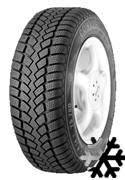
Winter tyres are designed to perform better than summer tyres in cold conditions, particularly when temperatures drop to around 7°C or below. They differ mainly in their rubber compound and tread design. Their compounds are formulated to remain more flexible at lower temperatures, helping them maintain grip when conventional summer tyres become less effective in the cold. The tread pattern typically includes more grooves and sipes to improve traction on snow, slush and cold, wet roads. These features can help the tyre bite into loose snow and clear water or slush more effectively from the contact area. Some winter tyres are also designed to be compatible with snow chains where appropriate, but this is not a defining feature of all winter tyres. In milder or warmer conditions, however, winter tyres are generally less precise and can wear faster than summer tyres, which is why they are best suited to drivers who regularly face sustained cold weather, snow or icy roads rather than typical year-round UK conditions.
When are winter tyres mandatory and when should they be changed?
There is no fixed seasonal rule requiring winter tyres in snow, ice, slush or frost. Instead, drivers must ensure that their vehicle remains roadworthy at all times, including having tyres with the legal minimum tread depth and no dangerous defects. For cars, the legal minimum tread depth is 1.6 mm across the central three-quarters of the tread around the entire circumference of the tyre. In wintry conditions, official guidance focuses on checking the weather forecast, ensuring the vehicle is properly prepared and driving according to the conditions. In practice, this means that changing to winter tyres is optional rather than legally required in the UK, although they may still offer advantages for drivers who regularly face prolonged cold, snow or ice.
What do the M+S marking and Alpine symbol mean?
In the UK, the Alpine/3PMSF symbol is not legally required for winter driving, but it is a useful indicator that a tyre has passed a standardised snow-traction test. The M+S marking alone does not provide the same assurance, as it does not in itself prove compliance with that test standard. Consumers choosing winter or all-season tyres should therefore place greater weight on the Alpine symbol than on M+S alone. Other manufacturer descriptions, such as “Winter” or “Snow”, are mainly descriptive or marketing-related and do not by themselves establish any formal snow-test status.
What tread depth do winter tyres need and how can wear be recognised?
Tread depth is particularly important when winter tyres are used in cold, wet, snowy or slushy conditions, because the tread pattern and sipes play a major role in traction and water evacuation. In the UK, the legal minimum tread depth for cars is 1.6 mm across the central three-quarters of the tread around the entire circumference of the tyre. However, many safety organisations and tyre specialists advise replacing winter tyres before they are worn down to that legal minimum if winter performance is a priority, since effectiveness in snow can reduce as tread depth falls. When checking for wear, all four tyres should be inspected, as uneven wear can indicate issues such as incorrect tyre pressure, wheel alignment or suspension problems. Winter tyres also have tread wear indicators (TWI), which help show when the tyre has reached the legal minimum. Some manufacturers may include additional winter-wear indicators to show when snow performance is likely to have declined, although these are not a general legal requirement.
How do winter tyres differ across various price ranges?
In the UK, winter tyres are available across premium, mid-range and budget price categories, and performance differences between models can be substantial. Premium brands often aim to deliver stronger grip and more consistent performance in cold, wet and snowy conditions, while cheaper options may involve greater compromises. That said, price alone is not a reliable measure of quality. Because tyre performance depends heavily on the specific model, size and intended use, motorists should rely on independent test results and choose according to the conditions they are most likely to face.
How should winter tyres be stored properly and what should be considered during the change?
Winter tyres should be stored in a cool, dry place away from direct sunlight and strong sources of heat, as light, moisture and temperature fluctuations can accelerate tyre ageing. If tyres are stored off the vehicle, it is sensible to keep them clean and clearly marked by wheel position to make refitting easier. Complete wheels are commonly stored differently from tyres without rims, so it is best to follow tyre or vehicle manufacturer guidance where available. When fitting winter tyres, it is also a good time to check tread depth, inspect for damage and set the tyre pressures according to the vehicle manufacturer’s recommended values. Any pressure adjustment should be based on the vehicle handbook or official tyre-pressure guidance rather than a general assumption, as the correct setting depends on the vehicle, load and tyre specification.
Why are winter tyres better than summer tyres in cold weather?
Winter tyres are made from a softer rubber compound that remains flexible even in cold weather and have a special tread for better grip on snow and ice. Summer tyres harden at low temperatures and thus lose grip.
How can I tell if my winter tyres are still safe?
In addition to sufficient tread depth, there should be no cracks, deformations, or uneven wear. Tyres older than 6 years should be replaced.
How important is the correct tyre pressure in winter?
The correct tyre pressure is crucial for grip, driving comfort, and safety in winter. Colder temperatures can lower the pressure, so it should be checked regularly.