


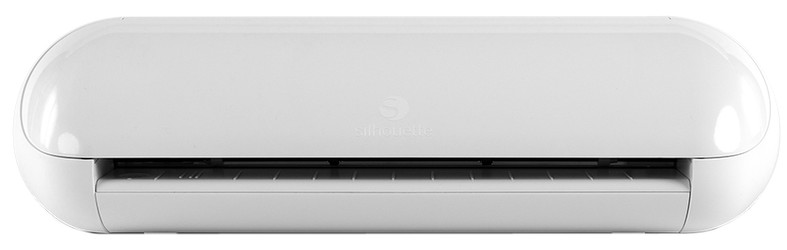

Buy plotters cheaply: Consumer tips

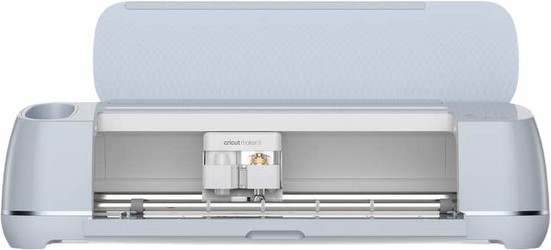
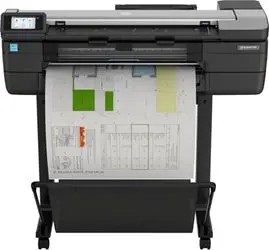
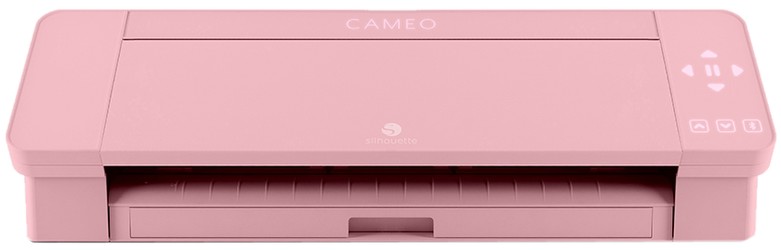
The essential difference from normal printers is that a plotter can print larger formats than the conventional A4. The printing is done using thermal, needle, ink, or electrostatic printing. Thermal printing works with heat-sensitive paper, where point heat is applied to the sheet, causing the paper to turn black in those areas. In needle printing, a series of controlled needles strike the paper through a ribbon. Inkjet printers, on the other hand, create an image using ink droplets that are precisely fired or deflected. An electrostatic plotter creates a pattern of electrostatically charged areas on the paper.
What types of plotters are there?
Plotters can be divided into two different categories. On one hand, there are vector-oriented output devices (graphic data is managed through mathematical functions) and on the other hand, raster-oriented plotters (geometric basic structures are broken down into individual raster points). The vector-oriented plotters include the pen plotter. Here, a pen is guided over the paper according to programmed instructions. However, a pen plotter can only work with a limited number of colours, as a new pen is needed for each colour. Additionally, it is very loud and slow, but very inexpensive. There are two different types of pen plotters: the flatbed plotter (the paper lies on a flat surface) and the drum plotter (the paper runs around a drum). Raster-oriented plotters, on the other hand, include inkjet plotters, thermal plotters, thermal transfer plotters, and electrostatic plotters. In inkjet plotters, a drawing is composed of ink droplets in a raster format. They are faster than pen plotters and offer a wide variety of colours. In a thermal plotter, a print head is heated for output and creates a darkening on the paper. Thermal transfer plotters transfer base colours from a film to the paper. Electrostatic plotters require a special paper that is partially positively charged by electrodes. Toner particles adhere to these areas, which are then fixed by heat.
What should I consider when buying?
When buying a plotter, the desired maximum format should be the most important criterion. Plotters can achieve a format of DIN A0. It is important to pay attention to the printable area, as margins are needed for media transport. The resolution also plays a crucial role, as does the number of drawings per day. For people who use the plotter infrequently, a plotter with a low number of drawings per day is sufficient, which can save money. Additionally, ongoing costs such as ink and special paper should be considered for inkjet plotters. It should also be noted that, for example, electrostatic plotters must be operated in air-conditioned rooms, as they are very sensitive to temperature and humidity fluctuations. The maximum achievable print force is particularly important for pen plotters, as a print force of up to 1.5 Newtons is necessary for pens with gas pressure refills. In general, the price-performance ratio for plotters can be considered balanced, and price differences are more noticeable in service and accessories.