









DDR5 Memory: Consumer Tips
with data rates from 4800 MT/s to over 8000 MT/s, DDR5 not only enables smoother gaming and faster performance across all applications but is also future-proof for upcoming software.
How does DDR5 work and what improvements does it offer over DDR4?
DDR5 memory (Double Data Rate 5) represents a significant leap over DDR4 and brings architectural improvements that go far beyond a simple speed increase. The operating voltage has been reduced from 1.2 volts in DDR4 to 1.1 volts, allowing for lower power consumption at the same performance, thereby improving both efficiency and heat generation. One of the key innovations is the doubling of the memory bank groups from 16 to 32, allowing for more memory accesses to be processed in parallel and increasing effective bandwidth. DDR5 also introduces On-Die ECC (Error Correction Code), which automatically corrects data errors and enhances system stability without the need for special ECC modules. The burst length has been doubled from 8 to 16, improving efficiency in sequential accesses, while the prefetch architecture has been expanded from 8n to 16n. Another aspect is the support for larger modules: while DDR4 modules top out at 32 GB per module, DDR5 modules can reach up to 128 GB or more. Signal integrity has been optimised through improved point-to-point topologies and better noise suppression, enabling more stable overclocking and higher speeds. Additionally, DDR5 features improved refresh mechanisms and power management features that reduce power consumption in standby mode.
What speeds and timings are available with DDR5?
DDR5 memory starts with a base speed of DDR5-4800 (4800 MT/s), already surpassing the fastest standard DDR4 modules, with practically available speeds now far exceeding that. Standard configurations range from DDR5-4800 to DDR5-5600, while high-performance memory can achieve speeds of DDR5-6000, DDR5-6400, or even DDR5-7200 and higher. The timings for DDR5 are nominally higher than those for DDR4 due to the higher speeds, but the absolute latency in nanoseconds remains comparable or even improves. It is important to understand that with DDR5, the effective latency is compensated by the higher bandwidth – a DDR5-5600 CL40 module can respond faster in practice than a DDR4-3200 CL16 module. Premium memory kits offer optimised sub-timings and secondary parameters that can further enhance performance. XMP 3.0 (Intel) and AMD EXPO profiles allow for easy activation of optimised settings without manual configuration. When selecting, it should be noted that extremely high speeds often only run stably with the latest processors and motherboards and come with correspondingly higher prices.
What capacity and kit configurations make sense?
The memory capacity largely depends on the application area. For gaming systems, 32 GB (2x16 GB) has established itself as the new standard, as current games increasingly require more memory while browsers, streaming software, or voice chat run simultaneously. 16 GB can already be insufficient in some cases today, especially with memory-intensive games like Microsoft Flight Simulator or simultaneous streaming. Content creators, 3D artists, or programmers should plan for at least 64 GB (2x32 GB or 4x16 GB), as applications like Adobe Premiere, Blender, or large code projects require significant memory sizes. Professional workstations benefit from 128 GB or more, with DDR5 modules allowing up to 128 GB per stick (currently available are 64GB modules), enabling extreme configurations. When configuring kits, it is important to note that dual-channel operation (2 modules) is the basic requirement for optimal performance, while quad-channel is only available on compatible platforms. Adding memory later is more complex with DDR5 than with DDR4, as the higher speeds can be more sensitive to different modules. It is therefore advisable to purchase the desired final configuration directly or at least to use modules of the same series and revision.
Which motherboards and CPUs are compatible with DDR5?
DDR5 compatibility requires both a DDR5-capable processor and a corresponding motherboard, as the new memory generation is not backward compatible with DDR4 and requires different sockets and power supply. Intel processors from the 12th generation (Alder Lake) support DDR5, with some motherboards optionally supporting either DDR4 or DDR5, but never both simultaneously. The 13th generation (Raptor Lake) and newer generations offer improved DDR5 controllers with higher stable speeds. For AMD, DDR5 support begins with the Ryzen 7000 processors (Zen 4), while older AM4 processors support only DDR4. The maximum supported speeds vary between processor generations: early DDR5 controllers supported stably up to DDR5-5200, while newer revisions handle DDR5-5600 or higher as JEDEC standard. Motherboard quality plays a crucial role in achieving high DDR5 speeds: premium boards with better memory trace routing, more memory layers, and optimised power supply achieve higher overclocking rates. The memory controller is located in modern CPUs within the processor itself, which is why CPU quality (Silicon Lottery) affects the maximum achievable memory speeds. It is important to check the QVL (Qualified Vendor List) of the motherboard manufacturer, which lists tested and compatible memory kits. BIOS updates can significantly improve memory compatibility and stability, so having an up-to-date BIOS before memory installation is recommended.
For which applications is DDR5 particularly worthwhile?
DDR5 memory particularly unleashes its potential in application areas that benefit from high memory bandwidth and capacity, with the benefit strongly depending on the specific use case. Gaming benefits especially in CPU-limited scenarios and memory-intensive titles, where the improvements over fast DDR4 are moderate but become increasingly noticeable in new games. Especially at high resolutions like 1440p or 4K with high frame rates, the additional bandwidth and lower latencies can provide advantages. Content creation and video editing benefit significantly more, as programs like Adobe Premiere Pro, DaVinci Resolve, or Blender utilise the higher bandwidth for faster rendering, smoother preview playback, and shorter export times. 3D modelling and CAD applications with large datasets benefit from both the higher speed and the larger available capacities. Programming and software development, especially with large projects or virtual machines, can benefit from faster access times and the ability to hold more code and data in memory. AI and machine learning applications that process large datasets can experience significant accelerations.
How do the various manufacturers and quality levels differ?
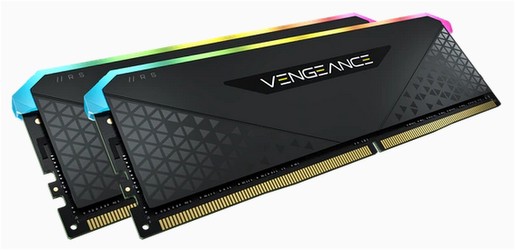
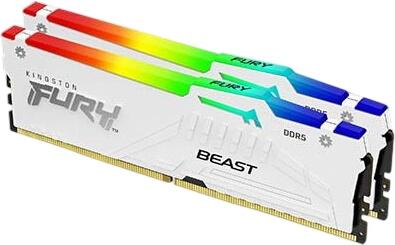
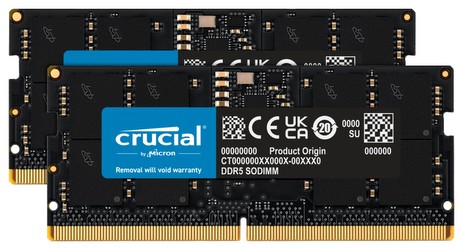
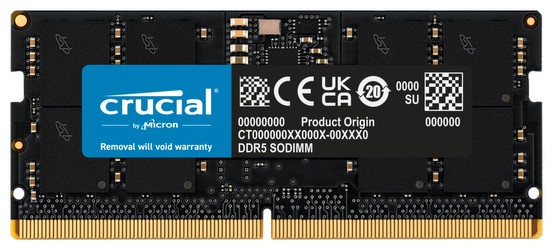
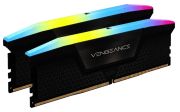
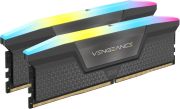
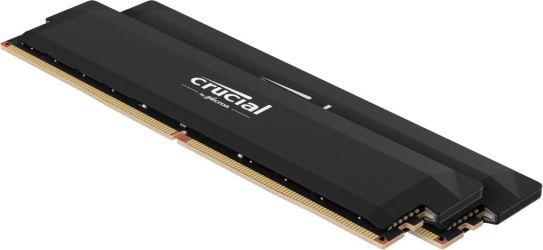
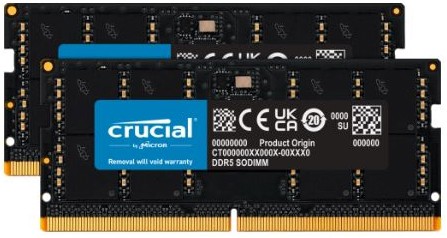
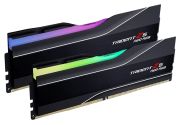
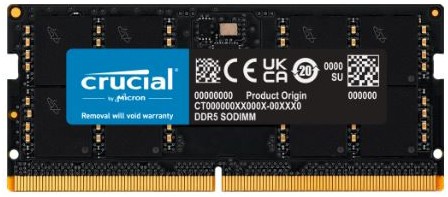
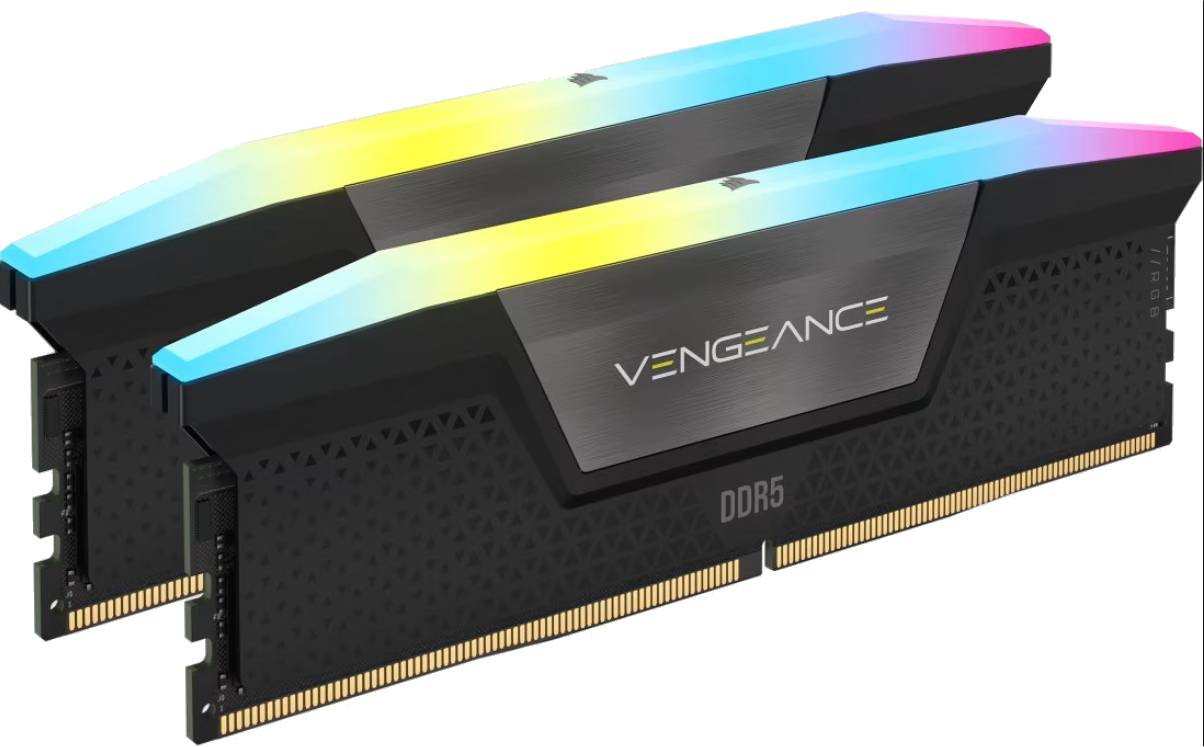
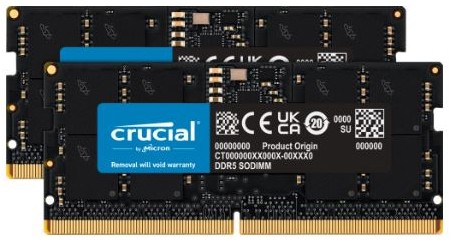
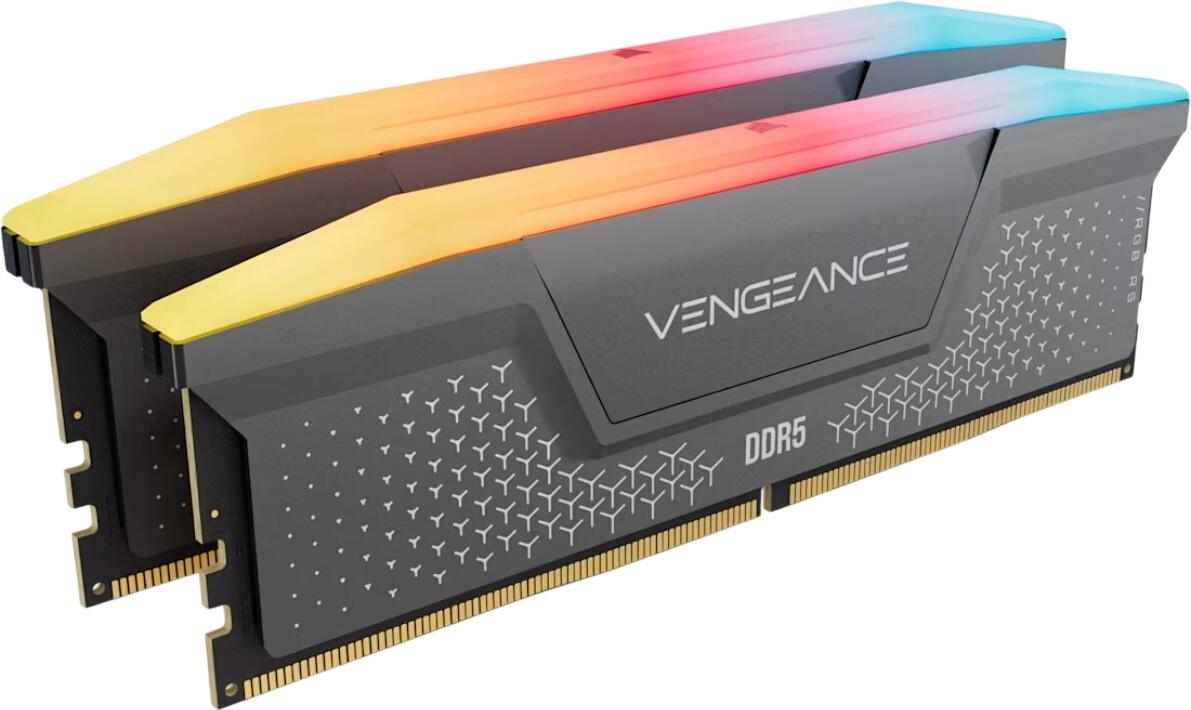
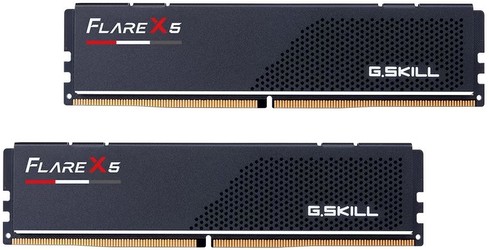
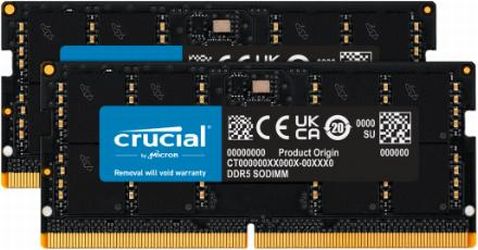
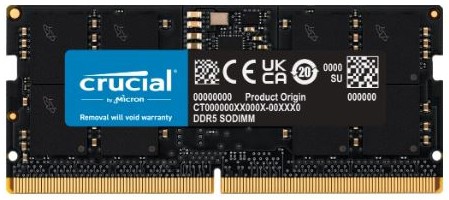
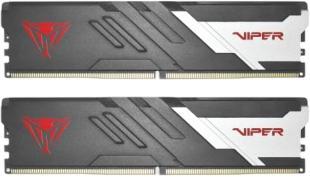
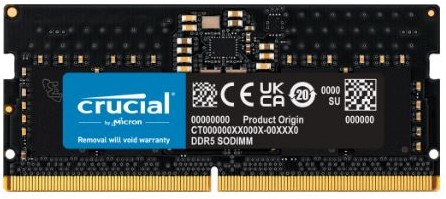
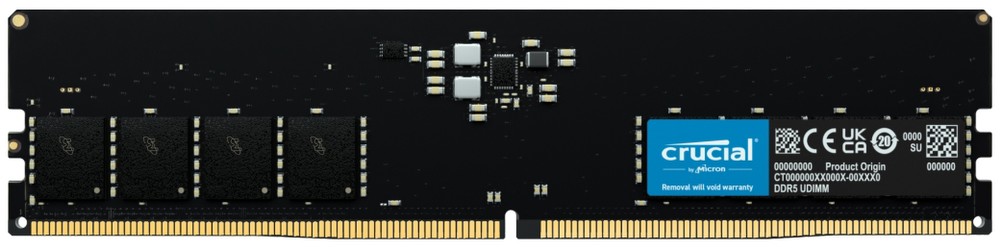
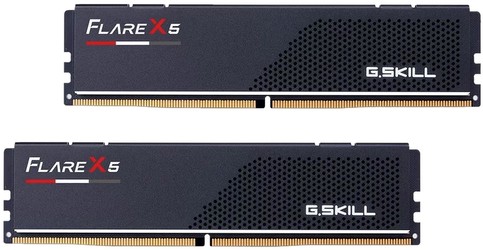
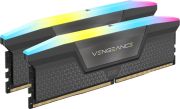
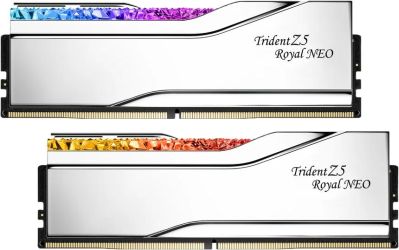
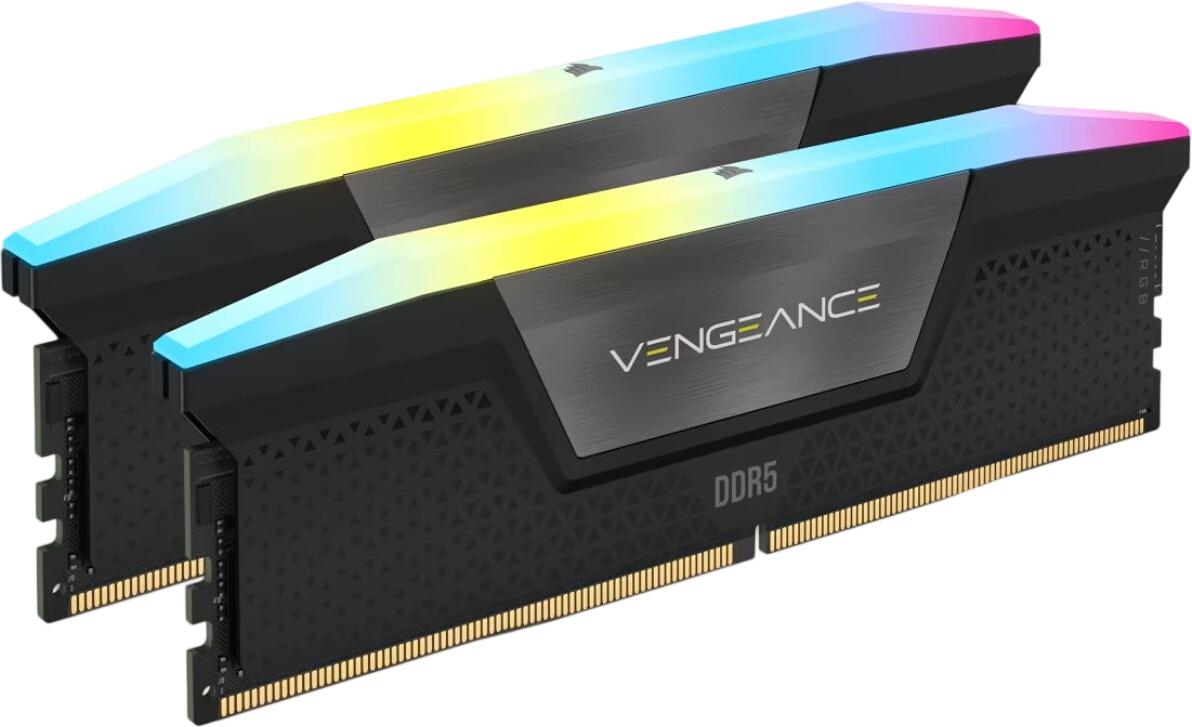
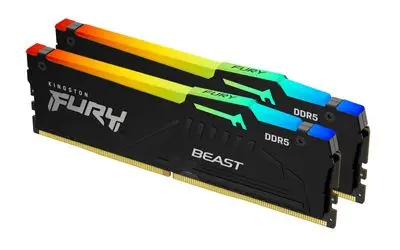
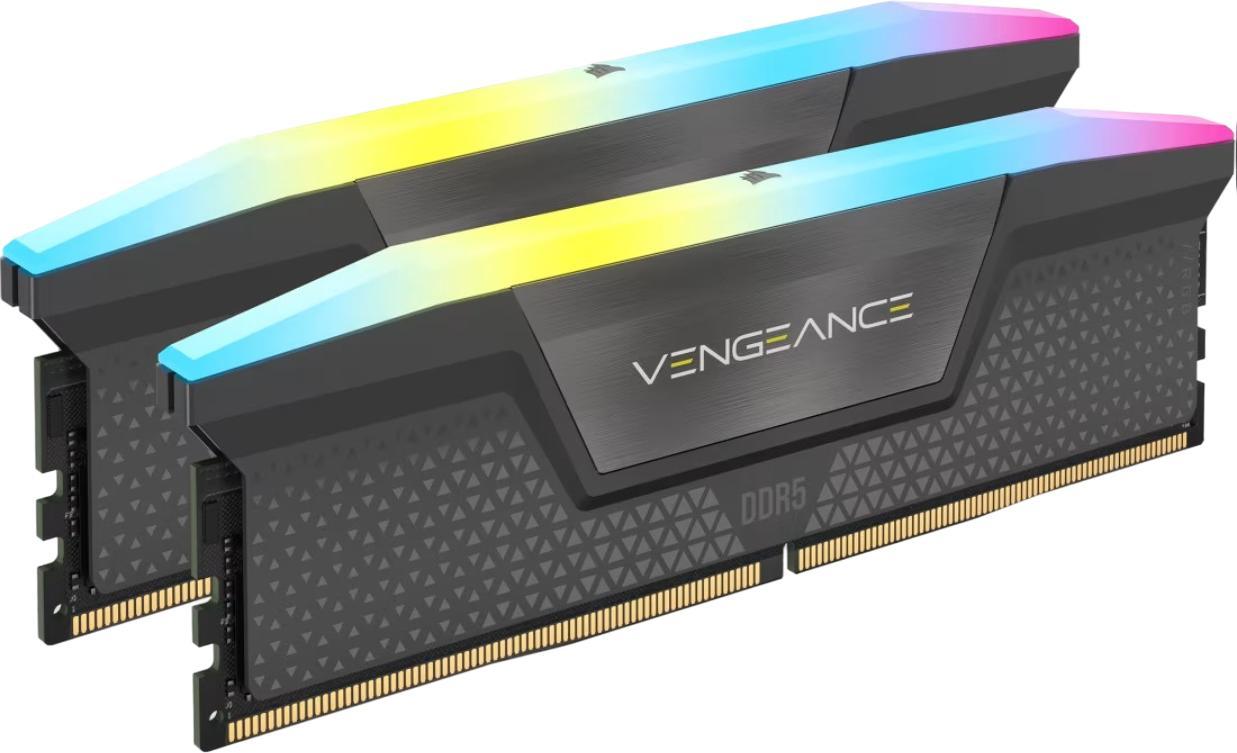
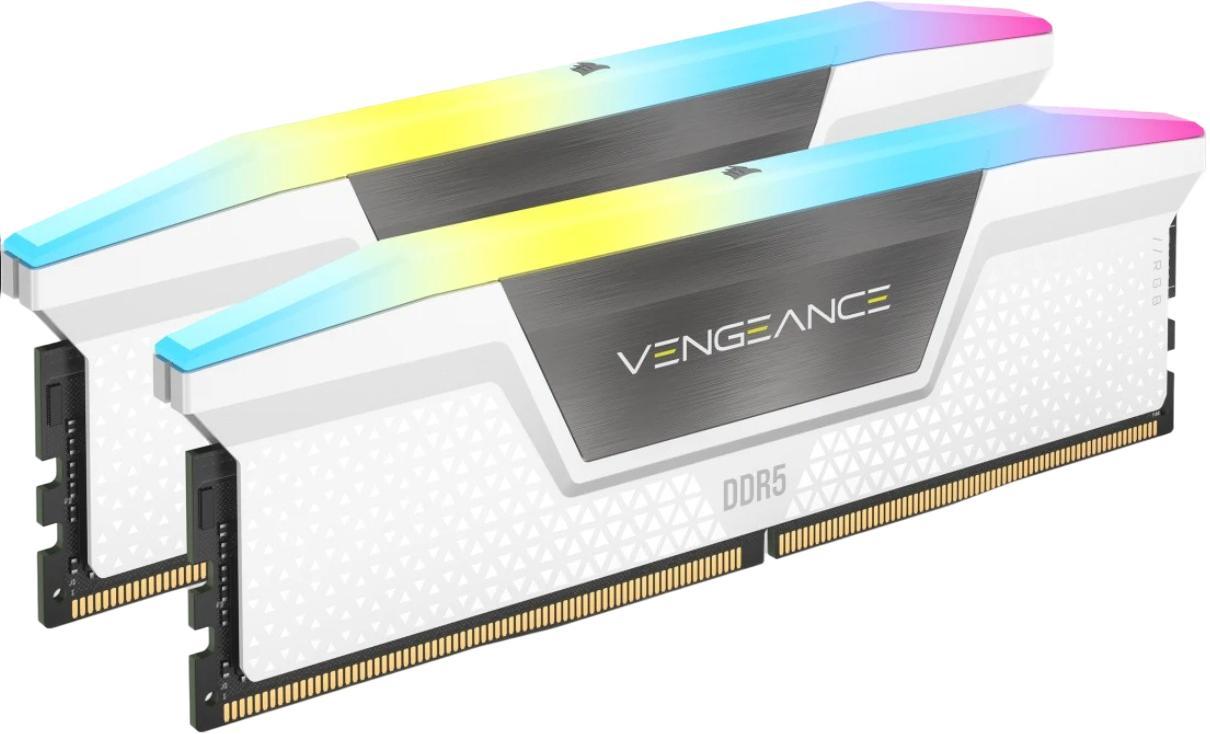
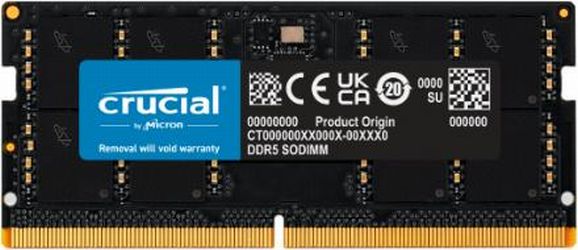
Manufacturers like G.Skill, Corsair, and Kingston offer series with optimised ICs (Integrated Circuits) and elaborate heat sinks that enable the highest overclocking rates and best stability. Crucial, as a subsidiary of Micron, offers good value for money and uses its own memory chips, improving compatibility and availability. Teamgroup, ADATA, and PNY provide mid-range memory with good value for money for regular users. The quality levels range from simple JEDEC standard modules without heat sinks to RGB-lit gaming modules with massive heat sinks and elaborate packaging. Binning refers to the process of selecting the best chips for the fastest kits, while weaker chips end up in slower modules. RGB lighting and support for sync systems like Corsair iCUE or ASUS Aura are standard in gaming modules but increase the price and power consumption.
What advantages does DDR5 offer over DDR4?
DDR5 enables faster data transfer rates, larger modules of up to 128 GB per stick, and lower power consumption.
How can I tell if my system supports DDR5?
The BIOS or tools like CPU-Z display the current memory type and compatibility.
Can I mix DDR5 and DDR4 RAM?
No, DDR5 and DDR4 are not compatible and cannot be used together in a system. The motherboard only supports one standard at a time.
How fast is DDR5 memory?
DDR5 typically starts at around 4,800 MT/s (megatransfers per second) and can be significantly faster depending on the model and overclocking (over 7,000 MT/s).