






Car all-terrain tyres: Consumer tips
What are all-terrain tyres and how do they differ from regular tyres?
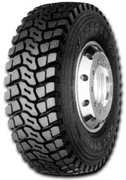
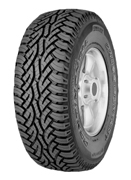
All-terrain tyres are specially constructed tyres that work on both paved roads and in tough terrain. The massively reinforced sidewall can withstand significantly lower air pressures, which increases the contact area in the terrain and improves traction on soft surfaces. The characteristic, aggressive tread design with large, widely spaced tread blocks provides maximum grip on loose surfaces such as gravel, mud, or sand. The deep, wide grooves between the tread blocks allow for a self-cleaning effect and prevent clogging with dirt or stones. The rubber compound is softer than that of regular road tyres to adapt optimally to uneven surfaces, while still being robust enough to resist cuts from sharp stones or thorns. Unlike road tyres, they are designed for significantly lower speeds, usually with speed indices of H (210 km/h) or lower. The design must withstand the extreme stresses of climbing over rocks, traversing deep ruts, or lateral loads on slopes.
All-Terrain or Mud-Terrain – Which all-terrain tyre is right for me?
All-terrain tyres (A/T) represent a compromise between road and off-road suitability and are suitable for drivers who predominantly drive on paved roads but occasionally need to tackle light to moderate terrain. They have a more moderate tread design than extreme off-road tyres and still offer acceptable performance, noise levels, and wear characteristics on asphalt. Typical applications include gravel roads, light mud passages, sandy beaches, or snowy field paths. Most A/T tyres carry the Alpine symbol and can be used as winter tyres. Mud-terrain tyres (M/T) are designed for heavy off-road conditions, especially for deep mud holes, muddy forest paths, or rocky terrain. The extremely aggressive tread with large, separated lugs provides maximum traction in mud but is noticeable on the road due to higher wear, loud rolling noise, and poorer road handling. They are the choice for serious off-road enthusiasts who regularly drive in difficult terrain. The choice should honestly reflect the actual usage profile: occasional off-road drivers are usually better served with A/T tyres than with M/T tyres, which mostly bring disadvantages on the road.
Are all-terrain tyres road-legal and what legal considerations should be taken into account?
All-terrain tyres are generally approved for road use and must meet the same safety standards as regular car tyres, but they come with noticeable compromises. They have an E-mark (ECE approval mark) and comply with European safety regulations; however, their characteristics are significantly different from those of road tyres. On dry roads, they show longer braking distances, poorer lateral stability in curves, and higher rolling resistance. In wet conditions, the coarse treads can paradoxically perform worse than regular tyres, as the large tread blocks have less water contact. The road noise is significantly higher, especially with M/T tyres, which produce a characteristic rumble from 50 km/h. The increased rolling resistance leads to 10-25 percent higher fuel consumption depending on the tyre type and driving style. Legally, there are no special restrictions, but the speed index should be noted – many all-terrain tyres are only approved up to H-index (210 km/h). For vehicles with higher top speeds, this can be a limitation. The load index (load capacity) must meet the vehicle requirements. Important: All-terrain tyres are also subject to winter tyre regulations – only models with the Alpine symbol are considered winter tyres. Many A/T tyres meet this requirement, while M/T tyres often do not. During the main inspection (TÜV), all-terrain tyres are treated like regular tyres as long as they correspond to the vehicle documents.
How do all-terrain tyres perform on different surfaces?
The performance of all-terrain tyres varies greatly depending on the surface and shows significant differences between various tyre types. On loose sand, all-terrain tyres show their strengths: the coarse tread grips into the sand, and the ability to reduce pressure significantly increases the contact area. A/T tyres perform well on firm sand, while M/T tyres excel in deep, soft sand due to their larger lugs. In mud, M/T tyres demonstrate their superior traction through the self-cleaning effect of the large, separate tread blocks. A/T tyres can clog in deep mud and lose their effectiveness. The key is the tread's ability to self-clean and not clog. On rocks and rocky terrain, the reinforced sidewall comes into play, which holds up even under lateral loads or sharp stones. The soft rubber compound adapts to unevenness and provides better grip than hard road tyres. In snow and ice, all-terrain tyres with the Alpine symbol generally have better traction than summer tyres, but rarely reach the performance of specialised winter tyres. On gravel and shingle, all-terrain tyres perform well, with A/T tyres often being sufficient. However, the coarse treads can tend to bounce at higher speeds on loose surfaces. On normal roads, the compromises are noticeable: longer braking distances, higher noise, and poorer cornering stability than road tyres.
What sizes and dimensions are sensible for all-terrain tyres?
In general, off-road drivers prefer larger tyre diameters for better ground clearance and larger contact areas, but smaller rim diameters for more sidewall volume. A typical upgrade could be from 225/55 R17 to 245/70 R16 – the overall diameter increases, but the rim becomes smaller and the sidewall higher. Higher sidewalls provide better protection against damage, more flexibility when reducing pressure, and a smoother roll over obstacles. Wider tyres improve traction on soft surfaces due to a larger contact area but can be disadvantageous in mud or snow as they penetrate less deeply. Tread depth is essential for all-terrain tyres: while road tyres come new with 7-8mm tread depth, all-terrain tyres have 12-15mm or more. This not only allows for longer use but also better traction in the terrain. When choosing dimensions, the vehicle documents must be considered – not all sizes are registered. Important: All four tyres must be identical, as differing rolling circumferences can cause differential damage. This is particularly critical for all-wheel-drive vehicles.
What should you consider when buying all-terrain tyres?
How often and under what conditions will terrain actually be driven? For occasional gravel roads or winter use, A/T tyres are sufficient, while regular mud driving requires M/T tyres. Reputable manufacturers such as BFGoodrich, General Tire, Cooper, or Yokohama usually offer better quality and durability than budget brands. Important check points are the DOT number for the manufacturing date (not older than one year), correct dimensions according to vehicle documents, and appropriate speed and load indices. The tread design should match the intended use: symmetrical profiles for balanced performance, asymmetrical for specialised applications. The sidewall construction is crucial – reinforced sidewalls (marked as "reinforced" or "LT" for Light Truck) offer better protection. For winter use, pay attention to the Alpine symbol. After installation, maintain a break-in period of 500 kilometres and regularly check for unusual wear or damage.
How do all-terrain tyres differ from regular road tyres?
They have a deep, chunky tread and a reinforced sidewall to ensure better grip and protection against damage. Road tyres, on the other hand, are designed for comfort and fuel efficiency.
Are all-terrain tyres loud or uncomfortable on the road?
Yes, all-terrain tyres can be louder and provide a somewhat rougher driving experience due to their chunkier tread.
Are all-terrain tyres suitable for every vehicle?
They are primarily intended for SUVs, off-road vehicles, and pick-ups. For regular cars, they are oversized and can negatively affect handling and fuel consumption.
How important is the correct tyre pressure for all-terrain tyres?
The correct tyre pressure is crucial for optimal traction in the terrain and driving comfort on the road. In the terrain, a slightly lower pressure can sometimes provide advantages but should be adjusted with caution.