



DVB-T: Consumer tips

In addition to picture and sound signals, DVB-T can also transmit enhanced data services. This way, interactive multimedia applications, such as electronic programme guides (EPG) and games, can be delivered to the home screen, contributing to the variety of digital programmes. Unlike reception via cable, there are no ongoing fees to the cable operator for terrestrial reception; only the broadcasting fees continue to apply.
What do you need for DVB-T?
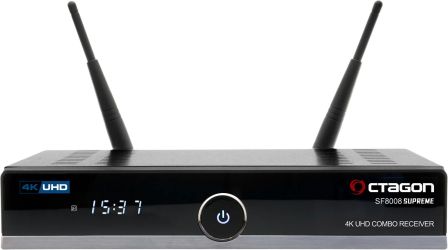
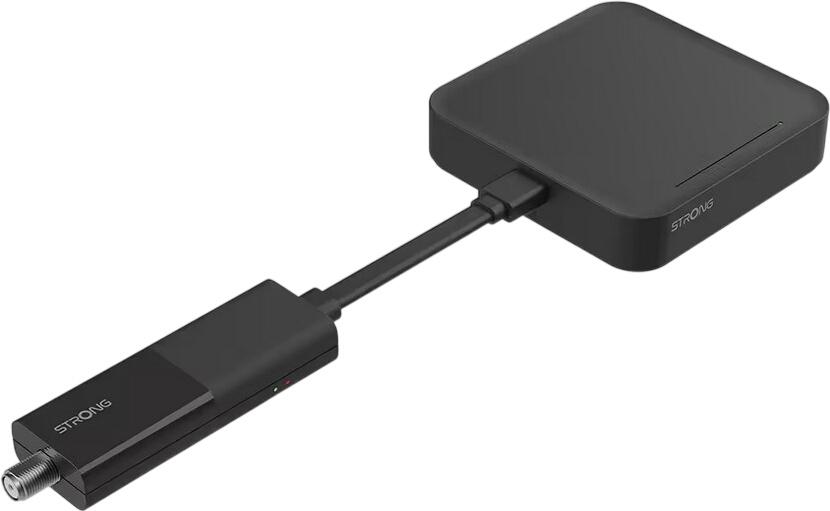
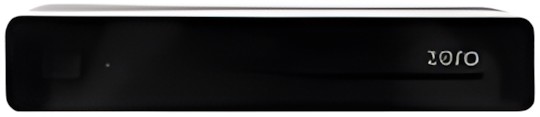
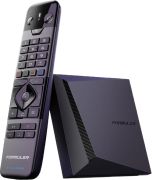
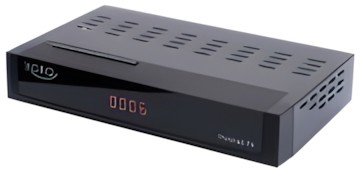
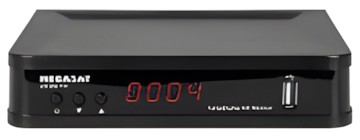
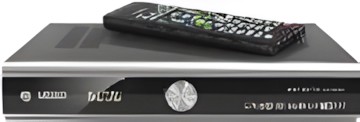
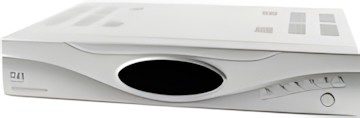
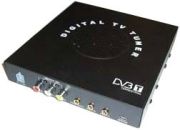
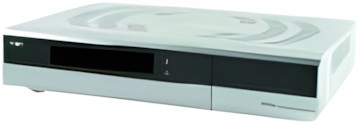
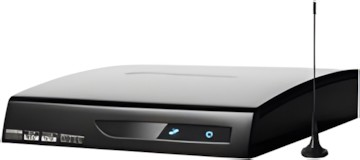
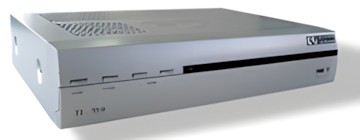
A conventional analogue TV set cannot directly process digital signals. To receive digital channels on the current television set, you need a DVB-T receiver, which is also referred to as a DVB-T set-top box or DVB-T converter box. This must be connected to an antenna according to the reception zones (the existing house/roof antenna or a TV indoor antenna). When switching to digital terrestrial television, the TV set does not need to be replaced. The DVB-T box converts the TV signals so that they can be easily received by the existing television set. If another TV set is to be supplied with the digital terrestrial signals, another DVB-T box is necessary.
What should you pay attention to when buying?
In DVB-T border areas, you should pay attention to the signal strength. The positioning and optimal alignment of the antenna facilitate a signal strength display. The setup box should have 2 SCART connections, a digital audio output (optical/electrical), and RCA sockets for analogue stereo sound. If your television does not have a SCART socket, the device should have an RF modulator. Only with a twin tuner can you record other programmes independently of the one being watched. Active indoor antennas can be connected via a 5V power supply. If the receiver is a DVB-T receiver with an integrated hard drive, this allows for time-shifted television. Useful features also include a pause button that freezes the current image, an electronic programme guide (EPG), and teletext.